Rescue & Welfare · Reptile facts
Why do ball pythons stop eating?
Fasting is often normal — but weight loss, wheezing or months without food need a reptile vet.
In brief
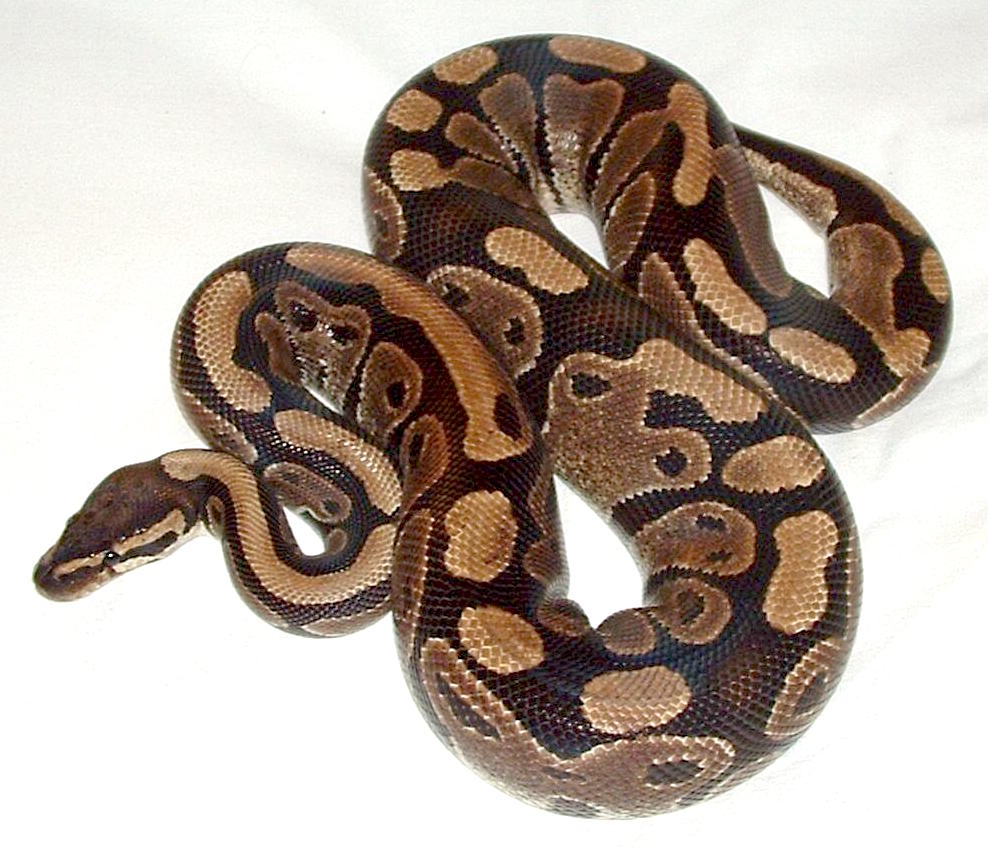
Ball pythons often refuse food because of stress, incorrect enclosure temperatures or humidity, seasonal breeding fasting, impending shed, or illness — not because they are “picky” without cause. Adults may fast for weeks in cool months; consult a reptile vet if weight drops more than about 10% or fasting exceeds three months.
By WARN Research & Conservation TeamLast updated
Ball pythons have a reputation for refusing meals. In many cases the cause is environmental or seasonal rather than mysterious “pickiness”. This answer lists common welfare triggers in original WARN prose and flags when professional help is urgent. It is not veterinary advice.
Quick facts
| Normal fasting | Adults may skip weeks–months in cool/breeding season if weight stable |
|---|---|
| First check | Warm-side temperature ~31–32 °C; humidity ~50–60% (higher in shed) |
| Shed pause | Cloudy eyes → refuse food 1–2 weeks — normal |
| Vet threshold | ~3 months refusal or ~10% weight loss — reptile vet |
Key takeaways
- Seasonal fasting is common if weight stays stable.
- Check warm-side heat before blaming pickiness.
- Shed, stress, mites and RI reduce appetite.
- Reptile vet if 3+ months fasting or 10% weight loss.
Seasonal and breeding fasting
Wild Python regius experience seasonal prey availability in African savanna and forest edge. Captive males especially may refuse food through cooler months or breeding season while maintaining body mass. Females may fast while developing follicles or gravidity. If the snake remains alert, hydrated and stable in weight, short refusals are not emergencies. Track weight monthly with a kitchen scale to separate normal fasting from decline.
Temperature and digestion
Snakes cannot digest effectively without adequate belly heat. A common mistake is an ambient room-temperature tank with no basking zone. Provide a gradient: roughly 26–28 °C cool end and 31–32 °C warm surface for digestion. Drop below effective basking heat and the snake may refuse food or regurgitate. Verify with digital thermometers at substrate level, not only air temperature.
Stress and husbandry errors
New enclosures, frequent handling, loud environments, co-housing, mites and respiratory infections all suppress appetite. Offering prey too large after a previous regurge creates a learned refusal loop. Cold or improperly thawed prey is often rejected. Improve hide coverage (two snug hides minimum), reduce handling during refusals and review the feeding guide for prey sizing and thawing protocol.
When to see a reptile vet
Consult a vet experienced with reptiles if the snake loses visible condition, shows open-mouth breathing, nasal bubbles, wheezing, mouth rot, retained shed bands, or a juvenile fails multiple meals while still growing. Fasting beyond about three months in an adult losing weight warrants examination — not repeated prey size experiments. WARN does not operate a veterinary clinic; we signpost professional care when welfare is at risk.
Frequently asked questions
How long can a ball python safely fast?
Will a ball python starve itself to death?
Should I offer live food if frozen is refused?
Sources & references
Original WARN research and writing (July 2026). Not reproduced from commercial pet publishers.