Trafficking · Why species are endangered
Why are moon bears kept for bile?
Bear bile farming persists because demand and profit continue despite alternatives.
In brief
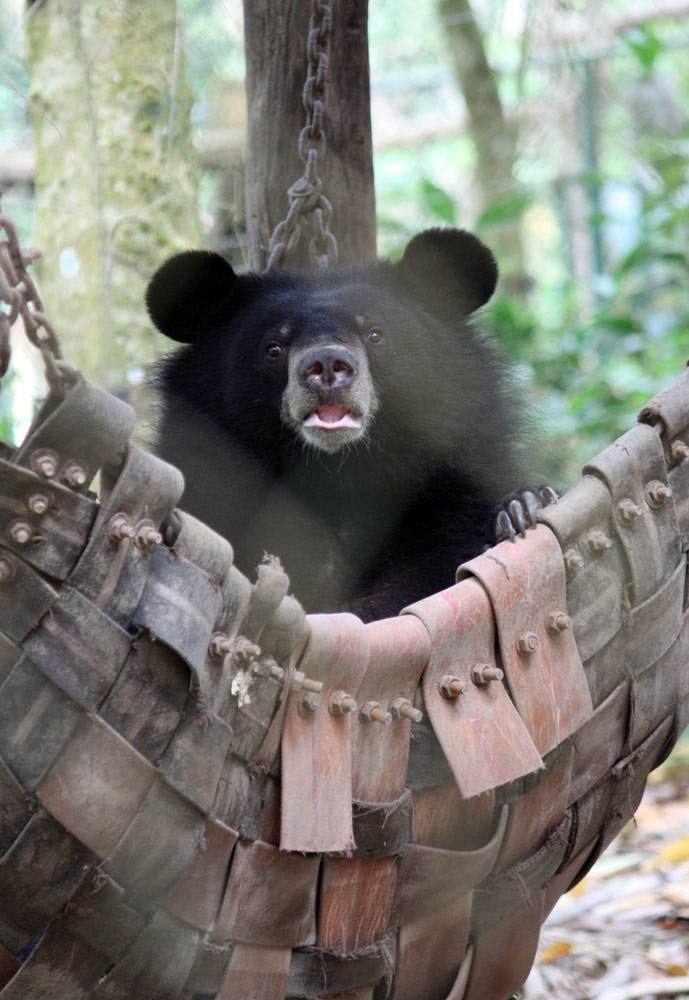
Moon bears are kept for bile because bear bile contains ursodeoxycholic acid, historically used in traditional medicine. Modern synthetic and plant alternatives exist, but demand and profit keep bile farming alive in some places. This page targets a direct welfare query and connects it to sanctuary costs, rescue complexity and donor understanding.
By WARN Research & Conservation TeamLast updated
This page targets a direct welfare query and connects it to sanctuary costs, rescue complexity and donor understanding.
Quick facts
| Species affected | Mostly Asiatic black bears, also called moon bears, and other bears |
|---|---|
| Product | Bile containing ursodeoxycholic acid |
| Alternatives | Synthetic and plant-based substitutes exist |
| After rescue | Surgery, dental care, pain management and lifetime sanctuary |
Key takeaways
- Bear bile demand is medical, cultural and commercial.
- Synthetic alternatives exist.
- Farming causes long-term physical and psychological harm.
- Survivors often need lifetime sanctuary care.
Why this question matters
Bear bile farming is one of the starkest examples of an animal kept alive for repeated extraction.
The welfare-first answer
The welfare-first answer is abolition plus care for survivors. Confiscated bears cannot simply be released after years in cages.
What to do next
Support sanctuaries that provide veterinary treatment, naturalistic enclosures and long-term behaviour recovery.
What WARN does
WARN promotes sanctuary and rescue transparency: no buying animals from traders, no exploitative visitor contact, realistic capacity and clear veterinary care. Donor education helps money flow toward genuine welfare work.
Frequently asked questions
What is bear bile used for?
Can farmed moon bears return to the wild?
Why does rescue cost so much?
Sources & references
Original WARN research and writing. This page is written to answer a specific search question while linking readers to deeper welfare, rescue and conservation guidance.