Wildlife · Mammal facts hub
What is the largest land mammal?
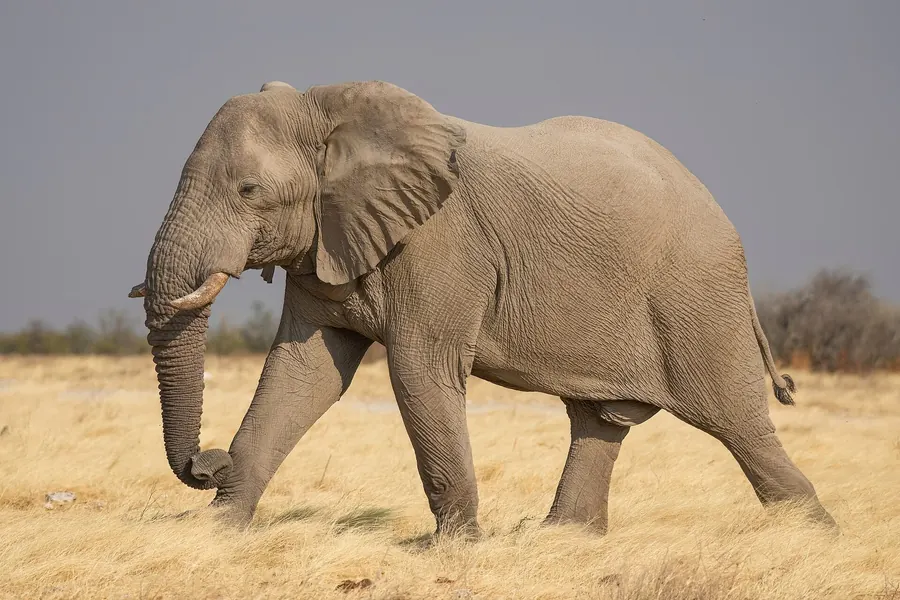
The African bush elephant — up to six tonnes and 3.3 metres at the shoulder — is the largest land mammal alive.
In brief
The African bush elephant (Loxodonta africana) is the largest land mammal — bulls can exceed 6 tonnes and 3.3 metres at the shoulder. Asian elephants are slightly smaller.
By the WARN Research & Conservation TeamChecked against IUCN Red List & CITES sourcesLast updated
African bush elephants (Loxodonta africana) exceed Asian elephants in size — bulls can surpass six tonnes. African forest elephants are a separate Critically Endangered species; bush elephants are Endangered. Elephants are keystone species creating water access, dispersing seeds and maintaining savanna–forest mosaics. Poaching for ivory and habitat loss drive declines; human–elephant conflict intensifies where farmland replaces corridors.
6 t
Large bull bush elephant weight
3.3 m
Shoulder height — tallest land mammal
EN
African bush elephant — Endangered (IUCN)
CR
African forest elephant — Critically Endangered
Quick facts
| Species | African bush elephant — largest land mammal |
|---|---|
| Asian elephant | Slightly smaller — Endangered |
| Two African species | Forest vs bush — split recognised 2021 |
| Keystone role | Water holes, seed dispersal, habitat engineering |
| Tusks | Ivory poaching selective removes large males |
| Conflict | Crop raiding where corridors lost |
Key takeaways
- African bush elephant — largest land mammal (~6 t).
- Forest and bush elephants are separate threatened species.
- Keystone engineers — water, seeds, habitat structure.
- Ivory poaching removes matriarchs and social knowledge.
- Corridors reduce human–elephant conflict.
- Asian elephant third largest — still Endangered.
African bush vs forest elephant
IUCN recognised African forest elephants (Loxodonta cyclotis) as separate from bush elephants in 2021 — forest species Critically Endangered, bush Endangered. Forest elephants are smaller, darker, with straighter tusks; they inhabit Central and West African rainforests. Bush elephants dominate savannas and woodlands across sub-Saharan Africa. Both exceed any other land animal in mass — rhinos and hippos are heavy but lower at shoulder and structurally different. Asian elephants are third among living species — still enormous but typically one to two tonnes lighter than largest bush bulls.
Ecological engineering
Elephants push over trees opening savanna, browse woody plants maintaining grassland, and dig dry riverbeds exposing water used by other species during drought. Seed dispersal through dung spreads large-fruited trees miles from parent plants. Without elephants, some ecosystems shift toward closed forest or degraded scrub — documented in park systems where poaching removed populations. Keystone loss cannot be replaced by short-term rescue of individuals; landscape function needs wild herds at scale across connected range.
Poaching and ivory trade
Ivory poaching selectively removes large-tusked elders — destroying social knowledge held by matriarchs who remember drought routes and predator patterns. CITES Appendix I bans international ivory trade; domestic markets persist illegally in some regions. Anti-poaching patrols, DNA tracking of seizures and community benefit programmes from tourism fund protection where governance holds. Southern African population trends differ from Central African collapse — status is regional, not one story for all Africa.
Human–elephant conflict and corridors
Farmland expansion blocks traditional migration routes — elephants raid crops; farmers retaliate with spears, poison and snares. Electric fencing, early-warning systems, compensation schemes and corridor purchase reduce kills on both sides. WARN partner work in Kenya, Tanzania and India emphasises corridor connectivity alongside anti-poaching — elephants need movement between feeding and water, not isolated park islands. How much does an elephant weigh? Enough that vehicle collision kills humans and elephants both — road planning matters.