Wildlife · Mammal facts hub
How much does an elephant weigh?
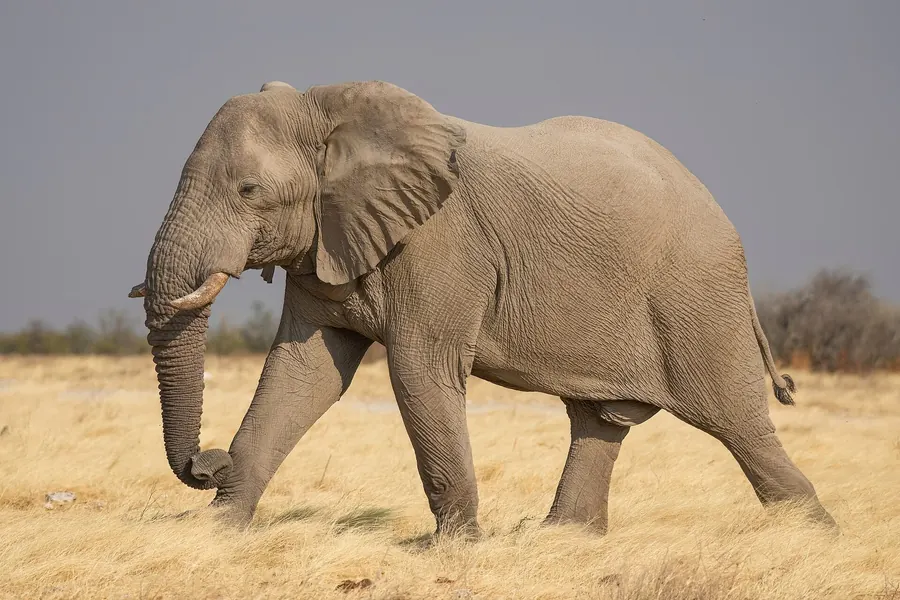
African bush elephant bulls reach six tonnes — largest land animal; Asian elephants and calves scale down from there.
In brief
African bush elephant bulls can exceed 6,000 kg (6 tonnes); females roughly 3,000 kg. Asian elephants are smaller — bulls around 4,000 kg, females 2,700 kg. Newborn calves weigh about 100 kg.
By the WARN Research & Conservation TeamChecked against IUCN Red List & CITES sourcesLast updated
African bush elephant (Loxodonta africana) bulls exceed 6,000 kg — 6 metric tonnes — and 3.3 m shoulder height. Cows roughly half. Asian elephants smaller — bulls ~4,000 kg. African forest elephant separate Critically Endangered species — smaller still. Newborn calves about 100 kg — already heavier than most adult humans.
6,000 kg
Large African bush bull weight
3,000 kg
African cow approx.
4,000 kg
Asian bull approx.
100 kg
Newborn calf birth weight
Quick facts
| Largest land | African bush elephant heaviest terrestrial animal |
|---|---|
| Forest elephant | Separate CR species — smaller than bush |
| Asian elephant | Endangered — slightly smaller than African bush |
| Daily food | Adults eat 150+ kg vegetation daily |
| Poaching | Selective removal of largest tuskers |
| Road kill | Six-tonne animal — vehicle collision fatal both sides |
Key takeaways
- African bush bull up to ~6 tonnes — heaviest land animal.
- Asian elephants smaller — bulls ~4 tonnes.
- Calves ~100 kg at birth.
- Forest elephant separate smaller CR species.
- Poaching removes largest tuskers first.
- Weight drives keystone ecological impact.
Species and sex differences
IUCN 2021 split African forest and bush elephants — forest Critically Endangered, bush Endangered. Forest bulls rarely exceed 2.7 tonnes — still massive. Asian elephant Endangered across fragmented range. Sexual dimorphism strong — males much larger with tusks in African bush; Asian males larger tusks variable. Weight fluctuates seasonally with drought and feast — scale estimates use shoulder height and body condition scoring in field research.
Ecological scale
Six-tonne animal reshapes landscape — pushes trees, creates wallows, disperses seeds kilometres through dung. Keystone role scales with biomass — losing largest individuals disproportionately reduces seed dispersal for large-fruited trees. Vehicle and train collision with elephant kills humans and animals — weight makes stopping distance irrelevant on rural roads through corridors.
Poaching and tusk size
Ivory poachers target largest tuskers — removing biggest males and old matriarchs skews population age structure. Genetic and social loss exceeds tonnage removed from ecosystem — see how long do elephants live. Anti-poaching and corridor work WARN funds through partners — weight statistics headline species charisma but conservation needs behaviour and connectivity data too.