Rescue & Welfare
What is animal rescue?
From emergency triage and veterinary care to rehabilitation, CNVR and rehoming.
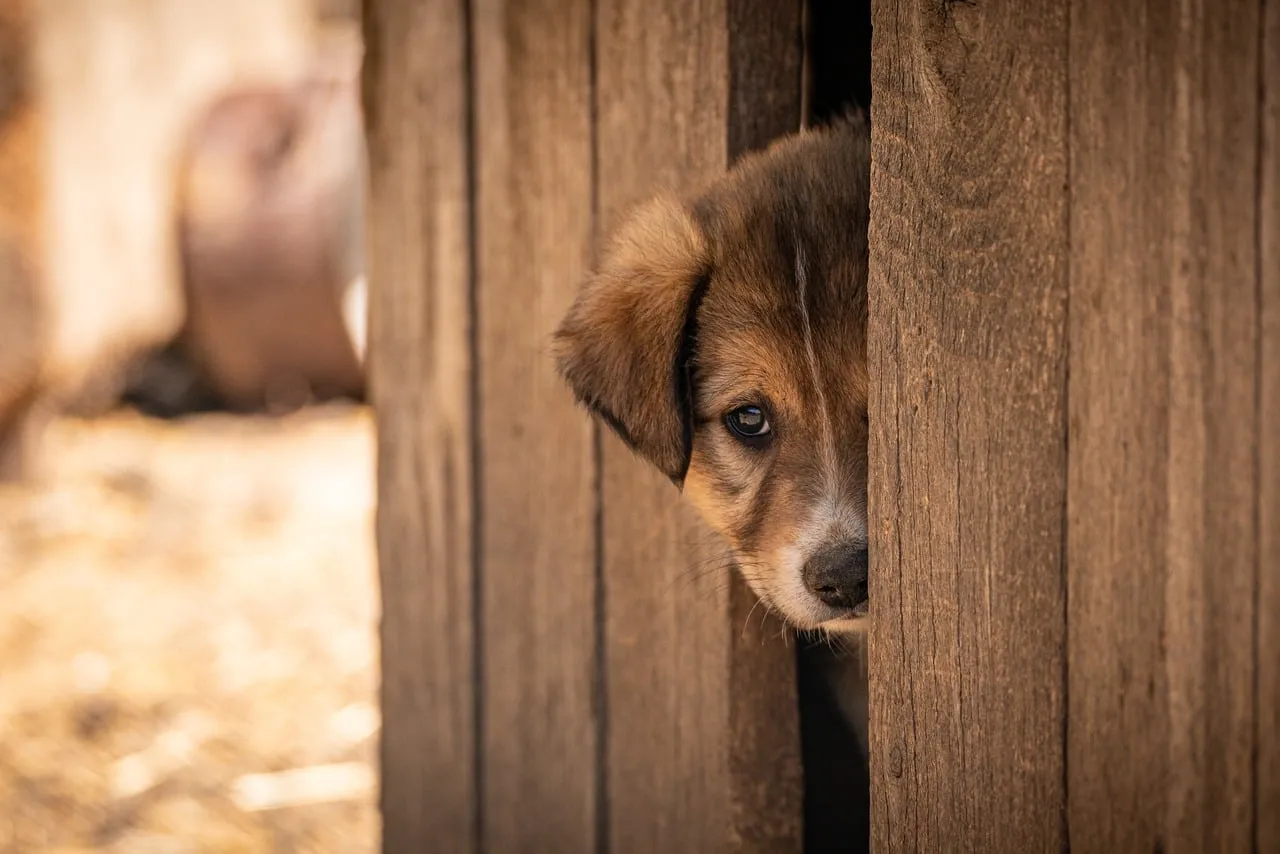
In brief
Animal rescue is the organised intervention to remove companion, working or wild animals from immediate danger, neglect, injury or illegal trade, provide veterinary treatment and shelter, and achieve the safest long-term outcome — rehoming, release to suitable habitat, or lifelong sanctuary care.
By WARN Research & Conservation Team Last updated
People use the phrase "animal rescue" for work that ranges from local dog and cat rehoming centres to specialist wildlife hospitals, working-equine clinics and post-disaster veterinary response. Those fields share a welfare goal, yet they rely on very different skills, facilities, permits and funding models. Understanding which kind of animal rescue fits a given situation helps both bystanders who find an injured animal and donors deciding where their money can do the most good.
~300m
Estimated free-roaming dogs worldwide (WHO)
70%
Canine rabies vaccination threshold cited by WOAH
4
Main rescue disciplines: companion, street, working, wildlife
£1
Minimum online donation to support WARN appeals
Quick facts
| Core stages | Assessment, safe capture, veterinary triage, recovery, and rehoming, release or sanctuary care |
|---|---|
| Companion rescue | Focuses on abandoned, stray or neglected domestic pets for adoption |
| Wildlife rescue | Specialist rehabilitation aimed at returning native wild animals to suitable habitat |
| Population management | Humane CNVR and vaccination rather than ineffective culling (WHO / WOAH) |
| Prevention role | Neutering, education, habitat protection and anti-trafficking enforcement |
| Immediate emergency | Always contact a local vet, wildlife rehabilitator or statutory authority first |
Key takeaways
- Animal rescue covers companion pets, street animals, working equines and wild species — each requiring distinct veterinary skills, biosecurity and legal authority.
- The World Health Organization estimates roughly 300 million free-roaming dogs worldwide and states that mass dog vaccination, not culling, controls dog-mediated rabies.
- Wildlife rescue differs fundamentally from pet rehoming: wild animals must remain wary of people so they can survive after release into suitable habitat.
- Sustainable animal rescue combines emergency treatment with upstream prevention, including neutering, community veterinary clinics and habitat protection.
- Before donating to any animal rescue organisation, check its legal registration, clear appeal terms and published grant or spending records.
What types of animal rescue exist?
Companion-animal rescues take in stray, surrendered or neglected domestic animals, provide veterinary checks and rehome them to assessed households. Street-animal welfare teams work outdoors through mobile clinics and Capture-Neuter-Vaccinate-Return (CNVR) programmes, returning healthy, vaccinated animals to their communities. Working-animal rescues provide farriery, wound care, safer harnesses and owner education for donkeys, horses and mules supporting low-income families. Wildlife rescue centres treat injured native species and animals confiscated from the illegal wildlife trade, following strict biosecurity and release protocols.
How is animal rescue different from an animal shelter or sanctuary?
The terms overlap in everyday speech, but they describe distinct roles. An animal shelter is usually a physical intake facility — often municipal or open-admission — that houses lost or stray domestic animals temporarily. A rescue organisation may operate foster networks or targeted intake focused on rehoming or specialist medical recovery. A sanctuary provides permanent, lifelong care for animals that cannot safely be rehomed or released back to the wild. See animal shelter vs rescue centre and sanctuary vs rescue centre for the full breakdown.
Why prevention matters as much as emergency rescue
Emergency rescue alone cannot outrun continuous abandonment, habitat destruction or wildlife trafficking. The World Organisation for Animal Health (WOAH) recommends combining humane dog population management, vaccination of at least 70% of free-roaming dogs in endemic areas, responsible ownership education and waste management rather than culling. In wildlife conservation, protecting intact forest and reducing demand for illegal exotic pets prevents animals from entering rescue centres in the first place.
What WARN does
World Animal Rescue Network (WARN) is a UK Community Interest Company raising funds intended to support assessed local animal-welfare organisations and publishing free, sourced animal rescue and wildlife guides. WARN does not operate its own rescue centres or emergency dispatch; read each appeal’s terms at appeals and check published records at where your money goes before giving.
Frequently asked questions
What should I do first if I find an animal that needs rescuing?
Does every baby wild animal found alone need rescue?
How can I tell if an animal rescue organisation is legitimate?
How can I donate to animal rescue safely?
Can I help animal rescue without giving money?
Sources & references
Related reading
More Rescue & Welfare answers
Stay connected with WARN
Receive appeal updates, animal-welfare news and published funding reports. Unsubscribe any time.
We only use your address for WARN updates. See our privacy policy.