Rescue & Welfare
How does animal rescue work?
The five stages from first report and veterinary triage to recovery and outcome.
In brief
Animal rescue follows a structured five-stage pathway: safe assessment and capture, emergency veterinary triage and quarantine, medical treatment and rehabilitation, outcome assessment (rehoming, return under CNVR, wild release or lifelong sanctuary), and follow-up monitoring or prevention. Social media often shows only the dramatic moment an animal is lifted out of danger.
By WARN Research & Conservation Team Last updated
Social media often shows only the dramatic moment an animal is lifted out of danger. In reality, capture is usually the shortest and least expensive part of animal rescue. Most of the work — and most of the cost — happens afterward in quarantine rooms, veterinary theatres, foster homes and rehabilitation enclosures. Knowing how the process works explains why responsible rescues prioritise veterinary staffing, biosecurity and long-term funding over quick headlines.
5
Core operational stages from triage to outcome
3-3-3
Common settling benchmark for newly rehomed rescue dogs
14+ days
Typical infectious-disease quarantine window in clinical protocols
4
Ethical outcomes: rehome, CNVR return, wild release or sanctuary
Quick facts
| First step | Triage by phone or on-site to confirm intervention is safe and necessary |
|---|---|
| Biosecurity | Quarantine and disease screening protect both incoming and resident animals |
| Domestic outcome | Veterinary clearance, behavioural assessment and screened adoption |
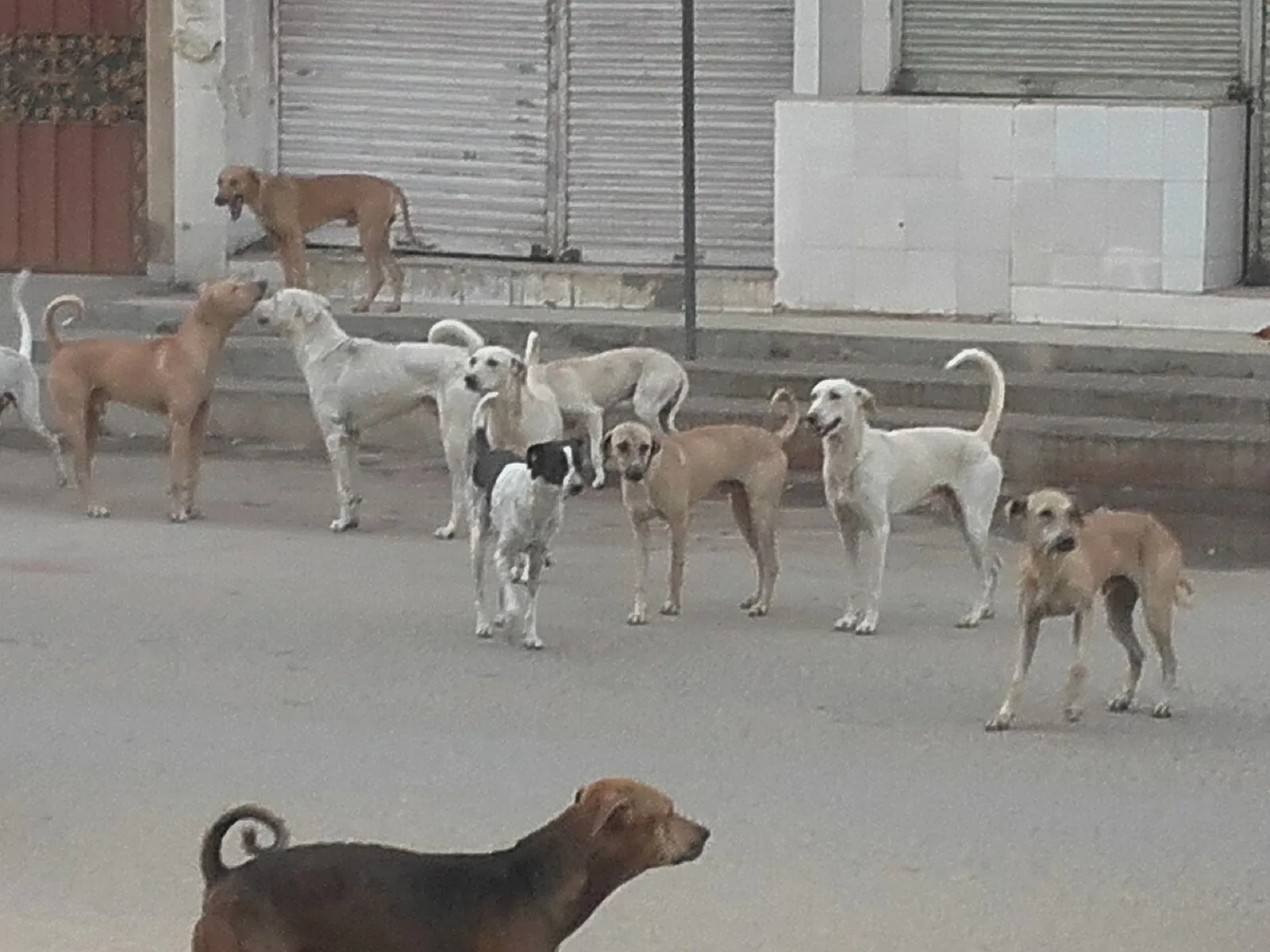
| Street-animal outcome | Humane Capture-Neuter-Vaccinate-Return (CNVR) to home territory |
| Wildlife outcome | Minimal human contact, natural foraging readiness and permitted release |
| Non-releasable animals | Lifelong sanctuary care or humane veterinary euthanasia when suffering cannot be relieved |
Key takeaways
- Capture is only the start of animal rescue; veterinary treatment, quarantine, nutrition and rehabilitation account for the bulk of time and cost.
- Quarantine prevents contagious diseases such as parvovirus, distemper or avian influenza from spreading through a rescue facility.
- Releasing a wild animal without habitat assessment, disease screening and survival skills often leads to rapid mortality or conflict.
- For free-roaming street dogs, returning neutered and rabies-vaccinated dogs to their familiar territory prevents unvaccinated dogs moving into the gap.
- Responsible rescues plan budgets around staff, medicines, transport and aftercare rather than treating rescue as a one-off purchase.
What happens immediately after an animal is rescued?
Rescuers first stabilise immediate threats to life: controlling bleeding, warming hypothermic young animals, treating shock and rehydrating dehydrated patients. Once stable, a veterinarian conducts a full clinical exam, checks for identification microchips on domestic pets, and places the animal into quarantine so hidden infections cannot spread to others in care.
How does wildlife rehabilitation differ from pet rehoming?
Companion rescues actively build trust with humans so dogs and cats can live comfortably in homes. Wildlife rehabilitators do the exact opposite. Wild birds, primates and carnivores must stay wary of people, recognise natural food and navigate predators. Imprinting on human carers can make an otherwise healthy wild animal permanently unreleasable. Complex species such as orangutans can require years of forest-school rehabilitation before release into protected habitat.
How is animal rescue funded?
Most independent rescue organisations rely on individual one-off and monthly donations, symbolic adoptions, legacies, grant-making organisations and occasional municipal contracts for stray intake. Because emergencies are unpredictable while veterinary wages, feed and rent are fixed monthly bills, steady unrestricted or core-programme funding is often what keeps rescue teams operational year-round.
What WARN does
WARN raises funds intended to support assessed animal-welfare organisations and explains the separation between fundraising appeals, recipient due diligence, approved grants and published outcomes at grant selection and where your money goes. Support animal rescue directly at the donate page.
Frequently asked questions
Why do rescue centres charge an adoption fee for pets?
Can confiscated wildlife always be released back into the wild?
Why does CNVR return street dogs instead of keeping them in shelters?
How can I support animal rescue work responsibly?
What does WARN mean when it says recipient checks happen before grants?
Sources & references
Related reading
More Rescue & Welfare answers
Stay connected with WARN
Receive appeal updates, animal-welfare news and published funding reports. Unsubscribe any time.
We only use your address for WARN updates. See our privacy policy.