Habitat · Why species are endangered
What animals are threatened by palm oil?
Unsustainable palm oil harms more than orangutans: whole forest communities lose habitat.
In brief
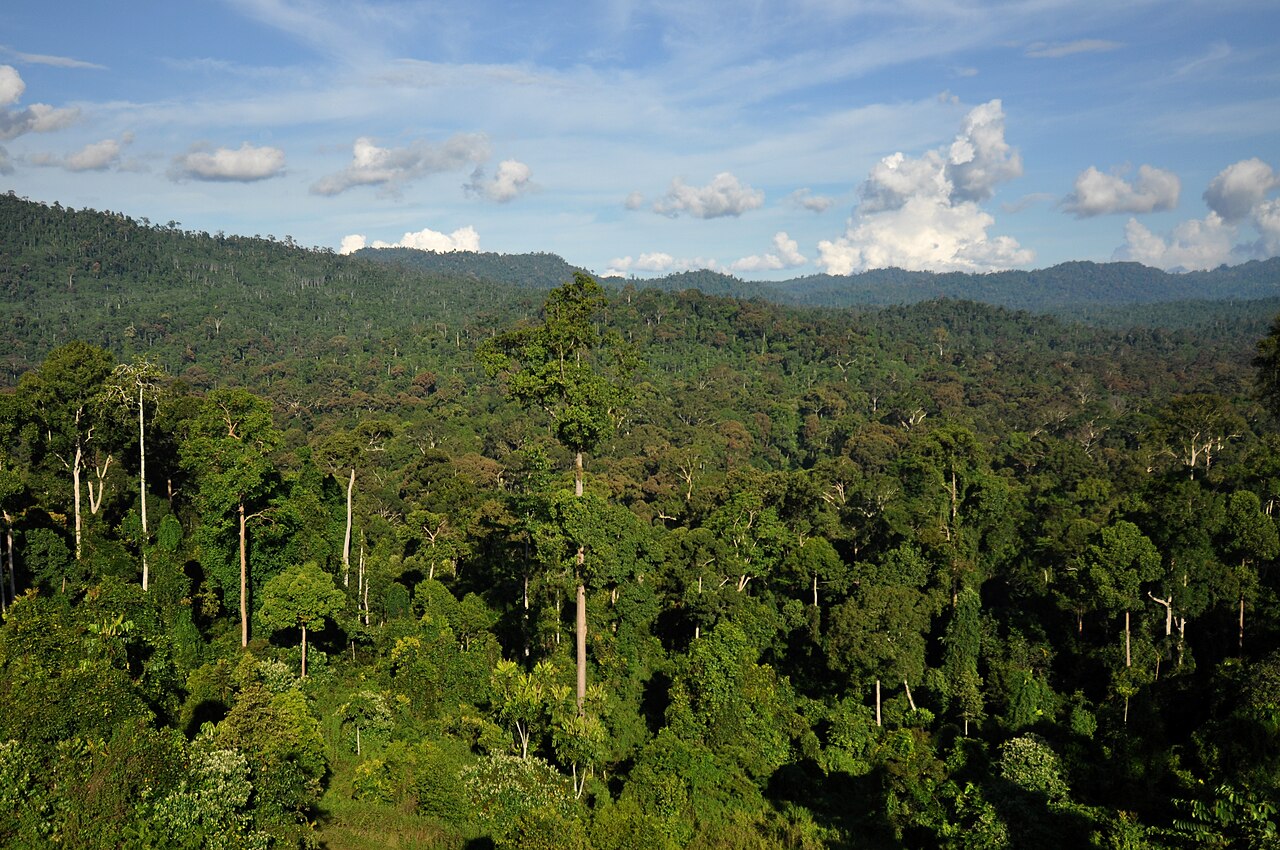
Animals threatened by unsustainable palm oil expansion include orangutans, Sumatran tigers, elephants, gibbons, clouded leopards, hornbills and many smaller forest species. The main harm is rainforest loss and fragmentation. This answer catches palm-oil animal searches and links them to WARN’s habitat and rainforest clusters.
By WARN Research & Conservation TeamLast updated
This answer catches palm-oil animal searches and links them to WARN’s habitat and rainforest clusters.
Quick facts
| Affected animals | Orangutans, tigers, elephants, gibbons, hornbills and many forest species |
|---|---|
| Threat type | Deforestation, fragmentation, fire and conflict |
| Better outcome | Traceable sourcing, protected forests and corridors |
| WARN link | Habitat protection and rescue response |
Key takeaways
- Orangutans, tigers, elephants and hornbills are among affected species.
- Deforestation and fragmentation are the main threats.
- Certification helps only when enforcement and transparency are strong.
- Habitat corridors are critical for recovery.
Why this question matters
Palm oil is highly productive, so replacing it badly can move harm elsewhere. The real issue is destructive expansion into biodiverse forest.
The welfare-first answer
A welfare-first answer connects habitat loss to individual suffering: starvation, conflict, orphaning, injury and displacement.
What to do next
Choose products and companies with credible deforestation policies, and support organisations protecting remaining forest and restoring corridors.
What WARN does
WARN links species facts to habitat and rescue needs so readers understand why individual animal care and landscape protection must work together.
Frequently asked questions
Is all palm oil bad?
Why are orangutans linked to palm oil?
What can consumers do?
Sources & references
Original WARN research and writing. This page is written to answer a specific search question while linking readers to deeper welfare, rescue and conservation guidance.