Hamster Breed · Syria & Turkey (domesticated)
Syrian
The classic golden hamster — largest common pet species and strictly solitary.
By WARN Research & Conservation TeamLast updated
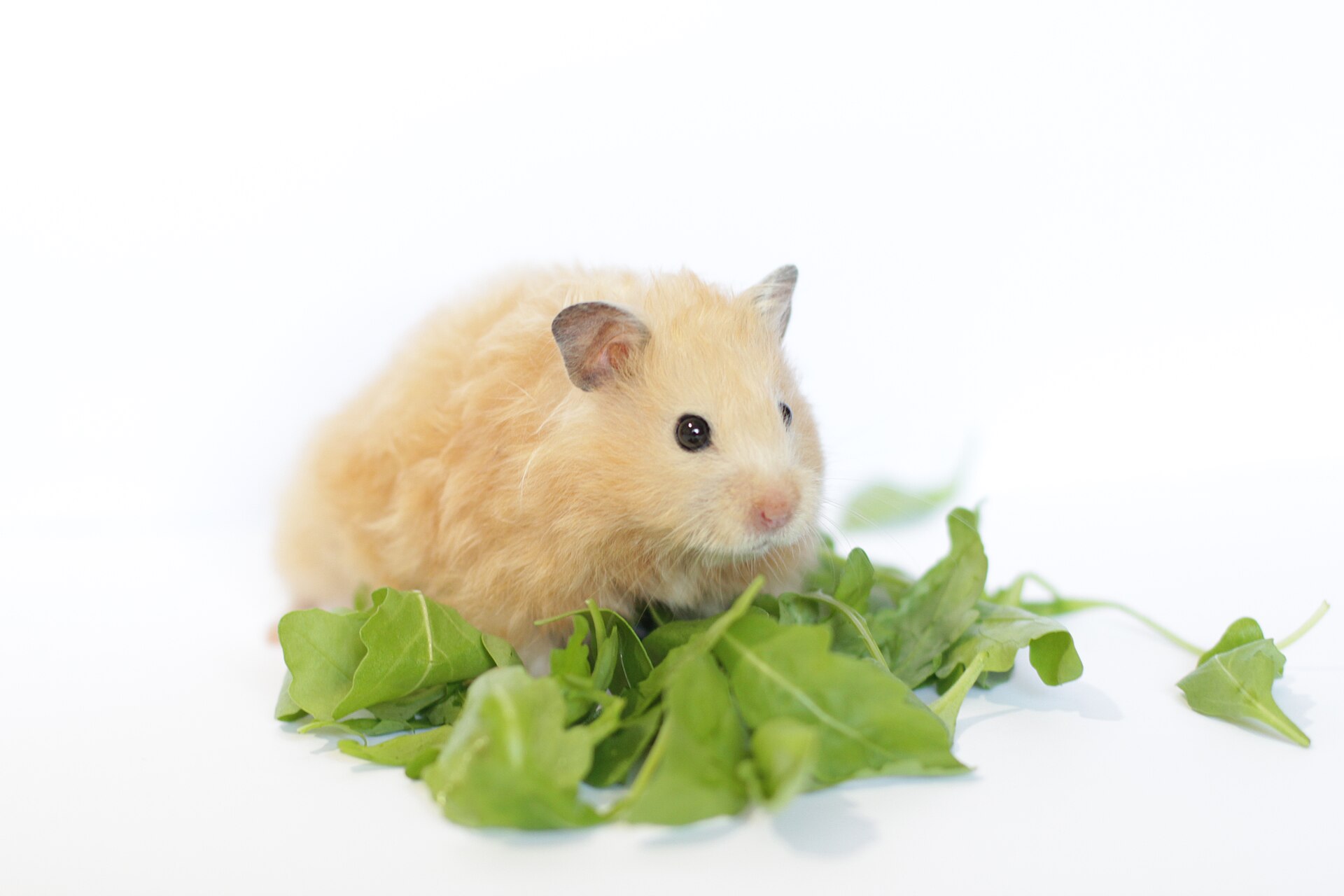
In brief
The Syrian hamster is the classic golden hamster — the largest common pet species, strictly solitary and nocturnal. Its defining trait is a tameable personality in a single-hamster enclosure with deep burrowing substrate and a wheel large enough to keep the back straight while running.
What are the key facts about a Syrian?
The Syrian is a hamster breed from Syria & Turkey (domesticated): medium (100–200 g), solitary, nocturnal, tameable. The classic golden hamster — largest common pet species and strictly solitary.
| Origin | Syria & Turkey (domesticated) |
|---|---|
| Size | Medium (100–200 g) |
| Adult weight | 100–200 g (3.5–7 oz); stout body reaching 15–18 cm in length |
| Lifespan | 1.5–3 years (species-dependent) |
| Coat & colour | Short, dense fur in golden agouti, cream, black, banded and longhair 'teddy' variants. Longhair Syrians need occasional rump combing during moults. Cheek pouches extend to the shoulders for food hoarding. |
| Temperament | Solitary, nocturnal, tameable |
| Best suited to | Single-hamster households respecting nocturnal rhythms — spacious cages (minimum 80 × 50 cm floor), deep substrate and gentle evening handling. Never pair adults; fighting can be fatal within hours. |
Is a Syrian a good hamster for you?
A Syrian is a good hamster when your home matches single-hamster households respecting nocturnal rhythms — spacious cages (minimum 80 × 50 cm floor), deep substrate and gentle evening handling. never pair adults; fighting can be fatal within hours.. It is a solitary, nocturnal, tameable medium (100–200 g) breed from Syria & Turkey (domesticated).
The classic golden hamster — largest common pet species and strictly solitary. That one-line pitch is not a care plan. Factor grooming (Short, dense fur in golden agouti, cream, black, banded and longhair 'teddy' variants. Longhair Syrians need occasional rump combing during moults. Cheek pouches extend to the shoulders for food hoarding.), typical adult size (100–200 g (3.5–7 oz); stout body reaching 15–18 cm in length), and the health issues listed below before you pay a deposit.
Meet adults of the breed, not only puppies or kittens, and prefer rescue or health-screened homes. A Syrian that looks right in a photo can still be the wrong animal for a small flat, a full-time office job, or a household that wanted a low-energy companion.
What is a Syrian?
The classic golden hamster — largest common pet species and strictly solitary. Origin is Syria & Turkey (domesticated); coat or markings are described as Short, dense fur in golden agouti, cream, black, banded and longhair 'teddy' variants. Longhair Syrians need occasional rump combing during moults. Cheek pouches extend to the shoulders for food hoarding..
Kennel and registry labels describe a type. Individual Syrians still vary, and rescue animals may be mixes.
Where does the Syrian come from?
Syrians come from Syria & Turkey (domesticated). Syrian hamsters (Mesocricetus auratus) entered captivity from a wild litter near Aleppo in 1930, spreading worldwide as laboratory and pet animals.
British pet welfare guidance now rejects tiny modular cages in favour of permanent burrowing depth and 28 cm or larger wheels. All Syrian colour morphs — golden, black bear, satin and teddy — share identical solitary housing rules. Pet shops sometimes sell 'pairs' of young Syrians who fight at maturity; ethical retailers separate by eight weeks. RSPCA and Blue Cross campaigns emphasise that Syrians are crepuscular, not daytime playthings for young children.
How much care does a Syrian need?
Plan 1.5–3 years (species-dependent) of food, vet care, grooming and time. A Syrian is medium (100–200 g) (100–200 g (3.5–7 oz); stout body reaching 15–18 cm in length) from Syria & Turkey (domesticated), with coat care described as short, dense fur in golden agouti, cream, black, banded and longhair 'teddy' variants. longhair syrians need occasional rump combing during moults. cheek pouches extend to the shoulders for food hoarding..
Match daily exercise to the solitary, nocturnal, tameable temperament rather than to Instagram.
Grooming follows the coat, not a generic clip: Short, dense fur in golden agouti, cream, black, banded and longhair 'teddy' variants. Longhair Syrians need occasional rump combing during moults. Cheek pouches extend to the shoulders for food hoarding.. Keep the animal lean; extra weight is a joint and heart tax, especially in a medium hamster.
Budget for unexpected vet bills. The health section below is why “cheap to buy” is not the same as cheap to keep.
What surprises people about the Syrian?
A few details about the breed, alongside the practical care information in this guide.
- Syrian hamsters must live alone — adults fight to serious injury or death if paired.
- Cheek pouches extend to the shoulders and can hoard surprising food volumes overnight.
- Wild Syrian hamsters were thought extinct in nature until small populations were rediscovered in Syria.
- Females come into oestrus every four days — accidental litters occur if sexes are mixed young.
What health issues should you know about in a Syrian?
Health concerns to discuss with your vet, including changes to watch for and everyday care. This is general guidance, not veterinary advice — always speak to your vet.
Wet tail
Stress-associated diarrhoea can dehydrate hamsters within hours — especially after transport or small cages.
Care: Seek emergency exotics vet care immediately; isolate, keep warm and avoid handling stress.
Obesity
High-fat seed mixes and lack of wheel exercise cause diabetes-prone weight gain in Syrians.
Care: Feed balanced hamster blocks plus veg sparingly; provide a large wheel and deep burrowing enrichment.
Dental malocclusion
Overgrown incisors prevent eating; wood chews alone may not suffice if malocclusion is genetic.
Care: Schedule regular exotics dental trims when weight drops or hoarding stops.
Who should skip a Syrian?
Skip a Syrian if you are homes that cannot match a solitary, nocturnal, tameable medium (100–200 g) hamster from Syria & Turkey (domesticated). This Syria & Turkey (domesticated) hamster is medium (100–200 g) and solitary, nocturnal, tameable — the mismatch is usually lifestyle, not a missing accessory.
This page is allowed to say no. Skip if you are homes that cannot match a solitary, nocturnal, tameable medium (100–200 g) hamster from Syria & Turkey (domesticated).
A different hamster breed on this site may fit. Wanting “a Syrian” after a film or a colour photo is not a reason to ignore the skip list.
What are the hidden catches with a Syrian?
The hidden cost of a Syrian is usually not the purchase price. It is years of care, the health list on this page, and the mismatch between a solitary, nocturnal, tameable animal and a busy home.
The impulse-buy catch
A Syrian from Syria & Turkey (domesticated) is often sold on looks. Coat, colour and size are not a temperament test. Meet the adult animal, ask about health screening, and walk away from pressure sales.
The wet tail catch
Stress-associated diarrhoea can dehydrate hamsters within hours — especially after transport or small cages. Seek emergency exotics vet care immediately; isolate, keep warm and avoid handling stress.
The obesity catch
High-fat seed mixes and lack of wheel exercise cause diabetes-prone weight gain in Syrians. Feed balanced hamster blocks plus veg sparingly; provide a large wheel and deep burrowing enrichment.
How does a Syrian compare with Campbell's Dwarf and Winter White?
A Syrian is not interchangeable with Campbell's Dwarf and Winter White. Compare origin, size, lifespan and temperament before you choose — those four lines prevent most regret.
| Hamster fact | Syrian | Campbell's Dwarf | Winter White |
|---|---|---|---|
| Origin | Syria & Turkey (domesticated) | Mongolia & China (wild species) | Siberia & Kazakhstan (wild species) |
| Size | Medium (100–200 g) | Small (27–45 g) | Small (30–45 g) |
| Lifespan | 1.5–3 years (species-dependent) | 1.5–3 years (species-dependent) | 1.5–3 years (species-dependent) |
| Temperament | Solitary, nocturnal, tameable | Active, nippy when startled, social in pairs | Nocturnal, shy, seasonal colour change |
What is the verdict on the Syrian?
Choose a Syrian only if the care, skip-if and health sections still look like your life after a week of thinking. Otherwise pick a different hamster or wait. Rescue is usually the better first door than a waiting-list puppy or kitten.
If the match is real, budget for 1.5–3 years (species-dependent) of vet care and do not skip health screening. If it is not, walking away is the kind choice — for you and for the animal.
Small pets, big responsibility
Hamsters live short but full lives — Syrian hamsters need solitary housing with deep bedding and wheels sized for their backs. These guides help owners meet welfare basics.