Duck Breed · Netherlands/United Kingdom
Call Duck
Tiny bantam duck bred originally as a living decoy — loud for its size.
By WARN Research & Conservation TeamLast updated
In brief
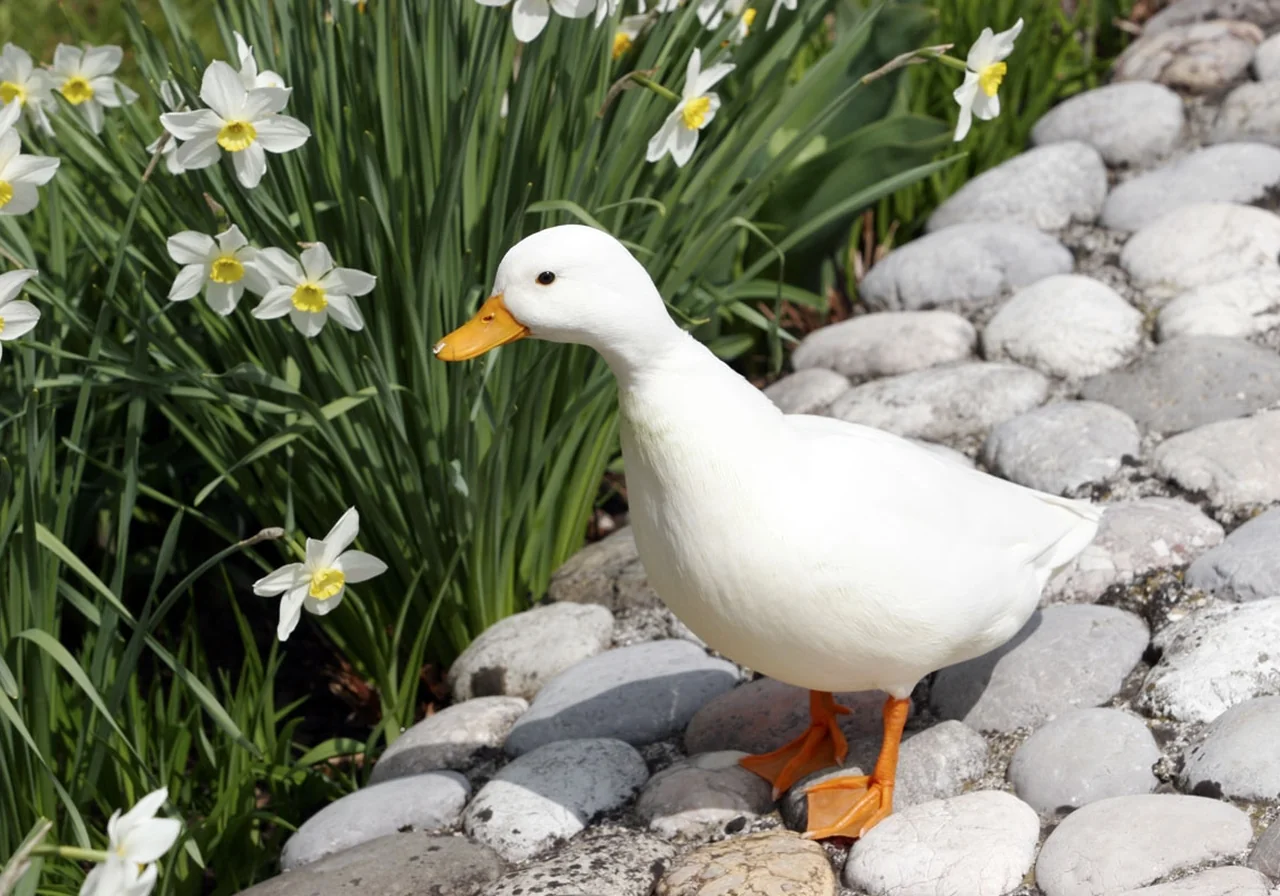
The Call Duck is a tiny bantam breed originally bred as a living decoy to lure wild ducks. Its defining trait is compact size paired with a surprisingly loud call — charming to enthusiasts but worth considering for neighbour proximity.
What are the key facts about a Call Duck?
The Call Duck is a duck breed from Netherlands/United Kingdom: bantam (0.7–1.1 kg), noisy, compact, showy. Tiny bantam duck bred originally as a living decoy — loud for its size.
| Origin | Netherlands/United Kingdom |
|---|---|
| Size | Bantam (0.7–1.1 kg) |
| Typical weight | 0.7–1.1 kg (1.5–2.5 lb); true bantam duck |
| Lifespan | 8–15 years |
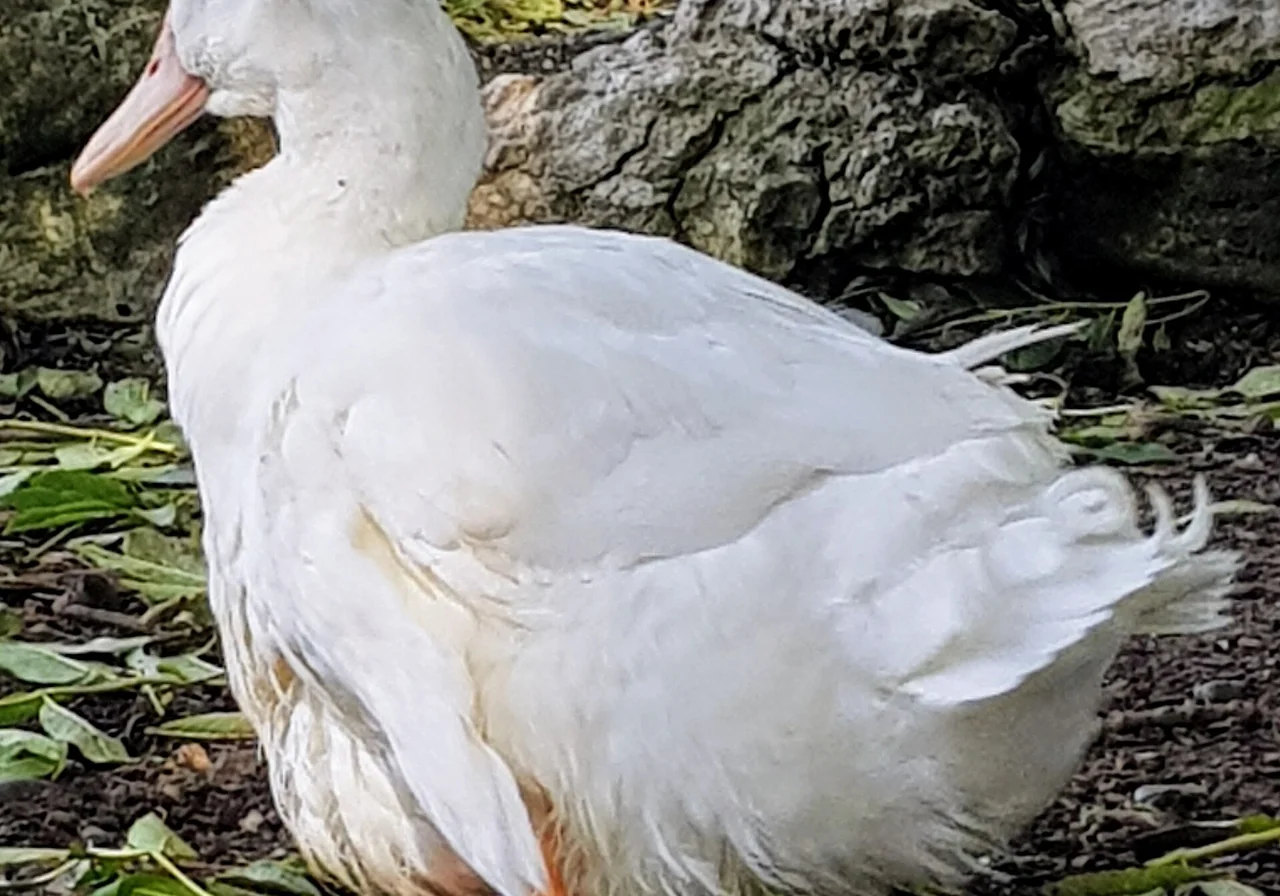
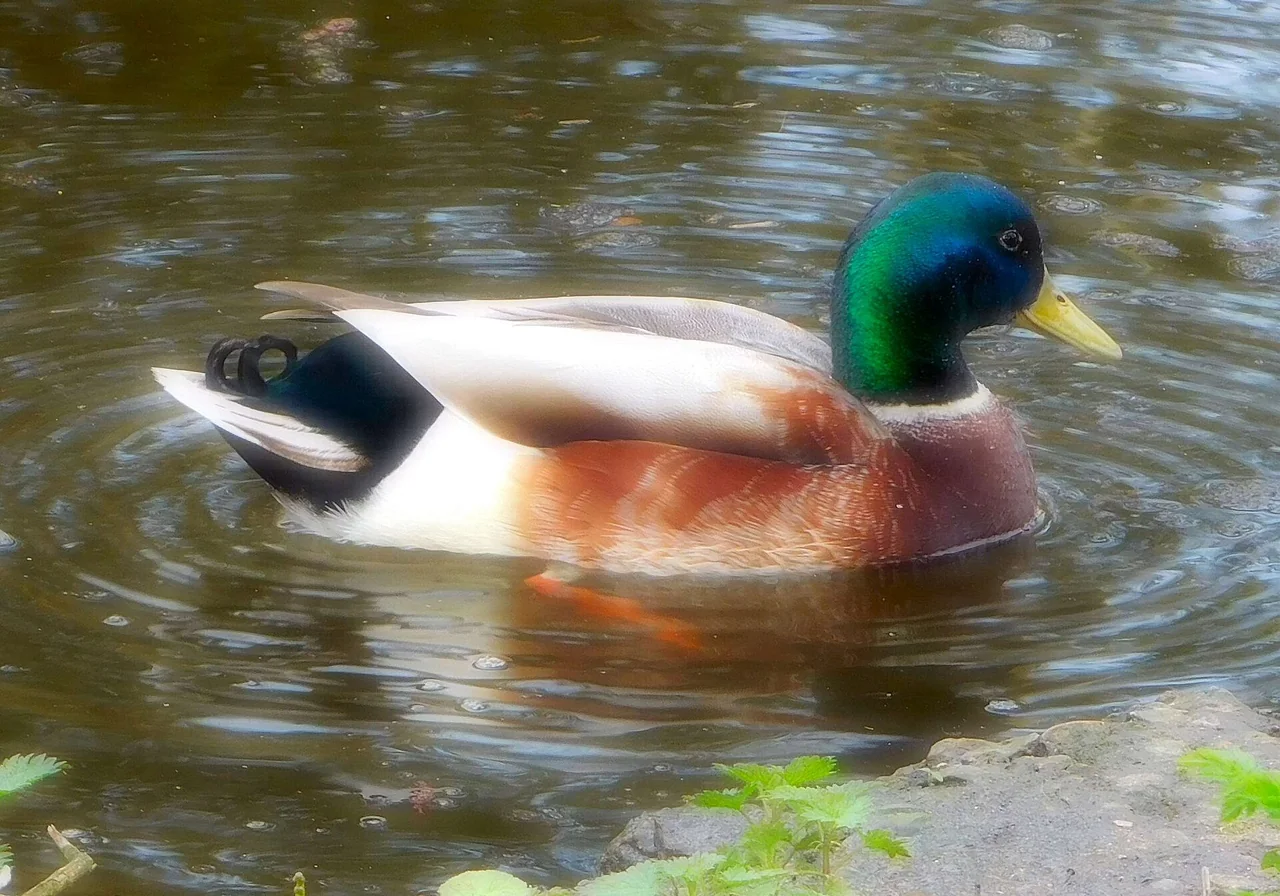
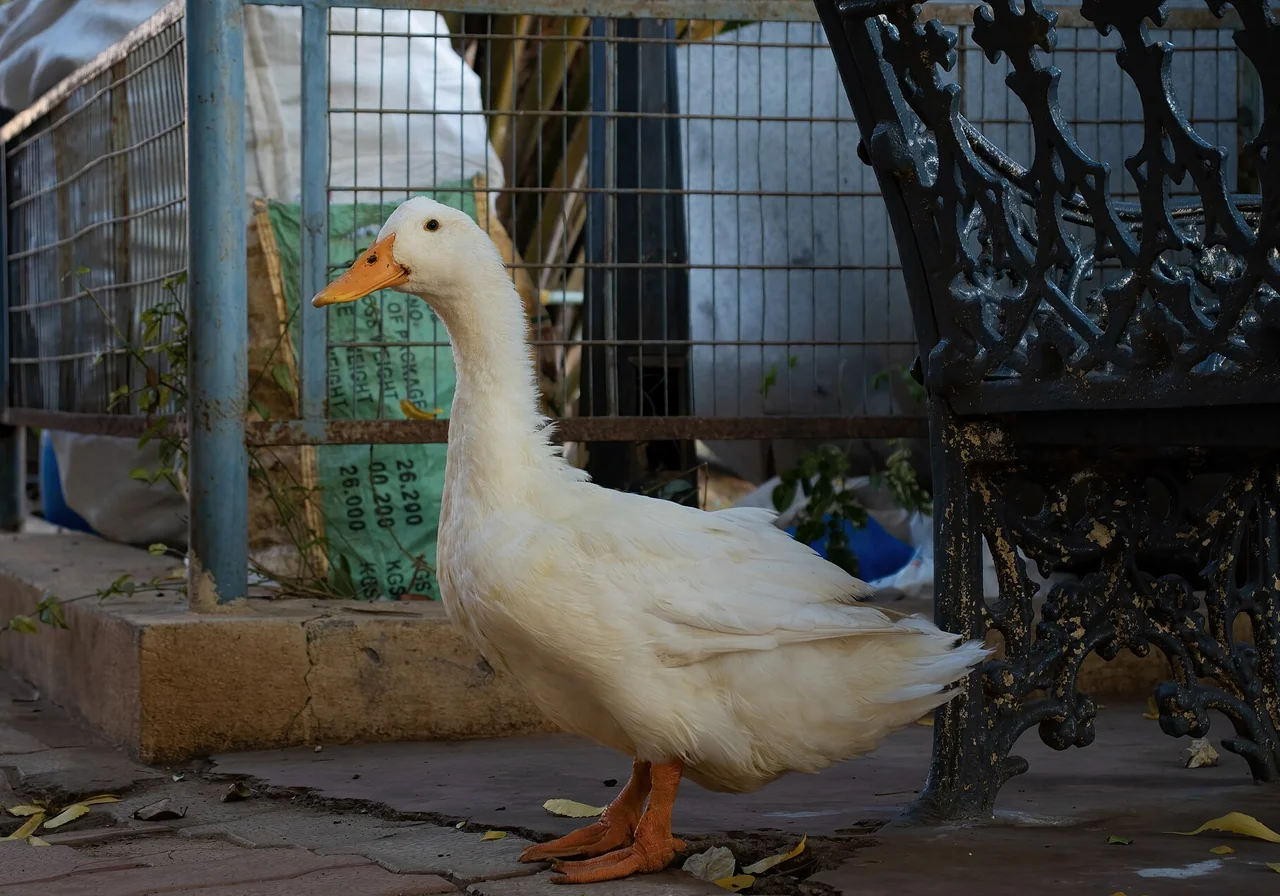
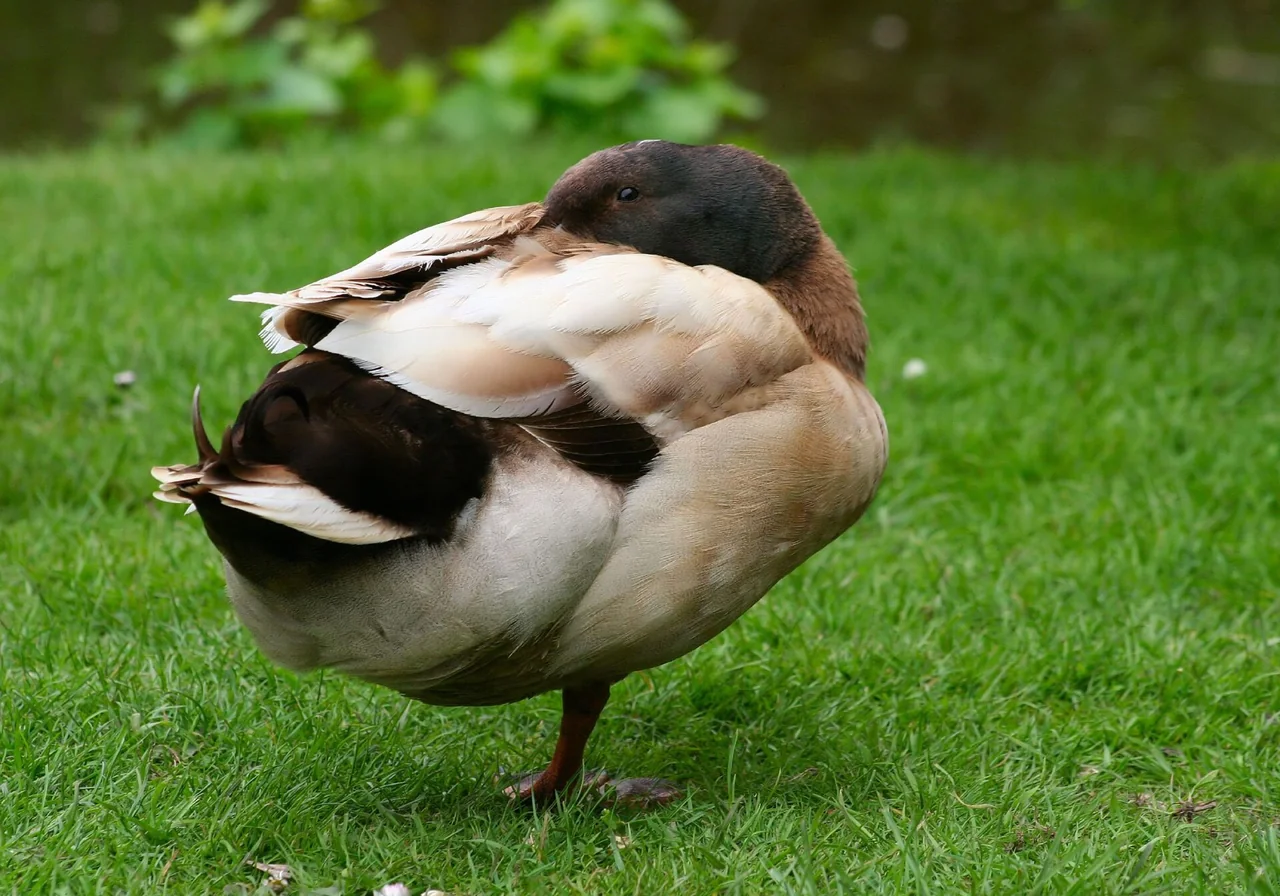
| Plumage | Short tight feathers in white, grey, bibbed and other show colours. Small body size makes them vulnerable to cold if wet; provide sheltered bathing areas. Regular preening keeps the miniature frame waterproof. |
| Temperament | Noisy, compact, showy |
| Best suited to | Suits experienced waterfowl keepers with secure, predator-proof mini enclosures. Call ducks excel as exhibition birds and pets but need protection from larger flock-mates. Not ideal for very noisy-sensitive gardens. |
Should you keep a Call Duck?
Keep a Call Duck only if you can meet livestock law, land, feed and veterinary care — not because the duck looks friendly online. This Netherlands/United Kingdom type is bantam (0.7–1.1 kg) and noisy, compact, showy.
A Call Duck is husbandry, not a house pet. Check local zoning, neighbour rules, and whether you can provide species-appropriate shelter, forage and handling. Tiny bantam duck bred originally as a living decoy — loud for its size.
Impulse “micro” livestock and Easter-gift birds are how ducks end up dumped. If you cannot commit for 8–15 years, do not start. Rescue and rehoming exist; buying a cheap animal you cannot keep is the problem this page is trying to prevent.
What is a Call Duck?
Tiny bantam duck bred originally as a living decoy — loud for its size. Origin is Netherlands/United Kingdom; coat or markings are described as Short tight feathers in white, grey, bibbed and other show colours. Small body size makes them vulnerable to cold if wet; provide sheltered bathing areas. Regular preening keeps the miniature frame waterproof..
Kennel and registry labels describe a type. Individual Call Ducks still vary, and rescue animals may be mixes.
Where does the Call Duck come from?
Call Ducks come from Netherlands/United Kingdom. Call ducks were developed in the Netherlands and Britain in the seventeenth century to call wild mallards within range of hunters' nets.
Breeders selected for small size and loud voice. As hunting declined, Calls transitioned to ornamental and companion roles. They remain one of the most popular bantam ducks on the show bench worldwide.
That origin still shows. A Call Duck is bantam (0.7–1.1 kg) and noisy, compact, showy, typically living 8–15 years. Use the history as context for care and conservation, not as folklore to repeat without sources.
What husbandry does a Call Duck need?
Call Duck husbandry is land, feed, handling and veterinary access — for 8–15 years. This Netherlands/United Kingdom type is bantam (0.7–1.1 kg) (0.7–1.1 kg (1.5–2.5 lb); true bantam duck) and noisy, compact, showy.
Shelter, clean water, species-appropriate forage and a plan for parasites and feet or hooves are the baseline. Coat notes (Short tight feathers in white, grey, bibbed and other show colours. Small body size makes them vulnerable to cold if wet; provide sheltered bathing areas. Regular preening keeps the miniature frame waterproof.) tell you about weather and grooming, not whether the animal can live in a garage.
Know what you will do with offspring, and do not keep a single highly social duck alone if the species is a flock or herd animal.
What surprises people about the Call Duck?
A few details about the breed, alongside the practical care information in this guide.
- Call ducks were historically tethered near traps to attract wild flocks.
- Their call is louder per gram of body weight than most geese.
- Multiple colour varieties exist including pied, apricot and blue fawn.
- Calls can live twelve to fifteen years with excellent care.
What health issues should you know about in a Call Duck?
Health concerns to discuss with your vet, including changes to watch for and everyday care. This is general guidance, not veterinary advice — always speak to your vet.
Obesity
Tiny ducks become overweight easily on shared feeders with larger birds.
Care: Feed separately and limit treats to maintain agile body condition.
Egg binding
Small body size increases relative difficulty passing oversized or shell-less eggs.
Care: Maintain calcium availability and seek vet help for prolonged straining.
Respiratory issues in poor ventilation
Ammonia in small enclosed houses hits bantams hard due to rapid air turnover needs.
Care: Ventilate coops well and avoid deep litter that stays wet.
Who should skip a Call Duck?
Skip a Call Duck if you are anyone without land, zoning permission, and a vet. This Netherlands/United Kingdom duck is bantam (0.7–1.1 kg) and noisy, compact, showy — the mismatch is usually lifestyle, not a missing accessory.
This page is allowed to say no. Skip if you are anyone without land, zoning permission, and a vet.
A different duck breed on this site may fit. Wanting “a Call Duck” after a film or a colour photo is not a reason to ignore the skip list.
What are the hidden catches with a Call Duck?
The hidden cost of a Call Duck is usually not the purchase price. It is years of care, the health list on this page, and the mismatch between a noisy, compact, showy animal and a busy home.
The impulse-buy catch
A Call Duck from Netherlands/United Kingdom is often sold on looks. Coat, colour and size are not a temperament test. Meet the adult animal, ask about health screening, and walk away from pressure sales.
The obesity catch
Tiny ducks become overweight easily on shared feeders with larger birds. Feed separately and limit treats to maintain agile body condition.
The egg binding catch
Small body size increases relative difficulty passing oversized or shell-less eggs. Maintain calcium availability and seek vet help for prolonged straining.
How does a Call Duck compare with Aylesbury and Mallard (Domestic)?
A Call Duck is not interchangeable with Aylesbury and Mallard (Domestic). Compare origin, size, lifespan and temperament before you choose — those four lines prevent most regret.
| Duck fact | Call Duck | Aylesbury | Mallard (Domestic) |
|---|---|---|---|
| Origin | Netherlands/United Kingdom | England | Worldwide (domestic form) |
| Size | Bantam (0.7–1.1 kg) | Heavy (3.6–4.5 kg) | Light (1–1.4 kg wild type; heavier in farm lines) |
| Lifespan | 8–15 years | 8–12 years | 8–15 years |
| Temperament | Noisy, compact, showy | Docile, meat-type, slow | Wild-type alertness; domestic lines vary |
What is the verdict on the Call Duck?
Choose a Call Duck only if the care, skip-if and health sections still look like your life after a week of thinking. Otherwise pick a different duck or wait. Rescue is usually the better first door than a waiting-list puppy or kitten.
If the match is real, budget for 8–15 years of vet care and do not skip health screening. If it is not, walking away is the kind choice — for you and for the animal.
Ducks deserve proper care
Domestic ducks are often bought as Easter gifts or pond ornaments without understanding their social, dietary and veterinary needs. These guides support responsible keeping and WARN's broader animal welfare education mission.