Cattle Breed · Scotland (Aberdeenshire & Angus)
Aberdeen Angus
Scotland's naturally hornless beef breed, famous worldwide for well-marbled meat.
By WARN Research & Conservation TeamLast updated
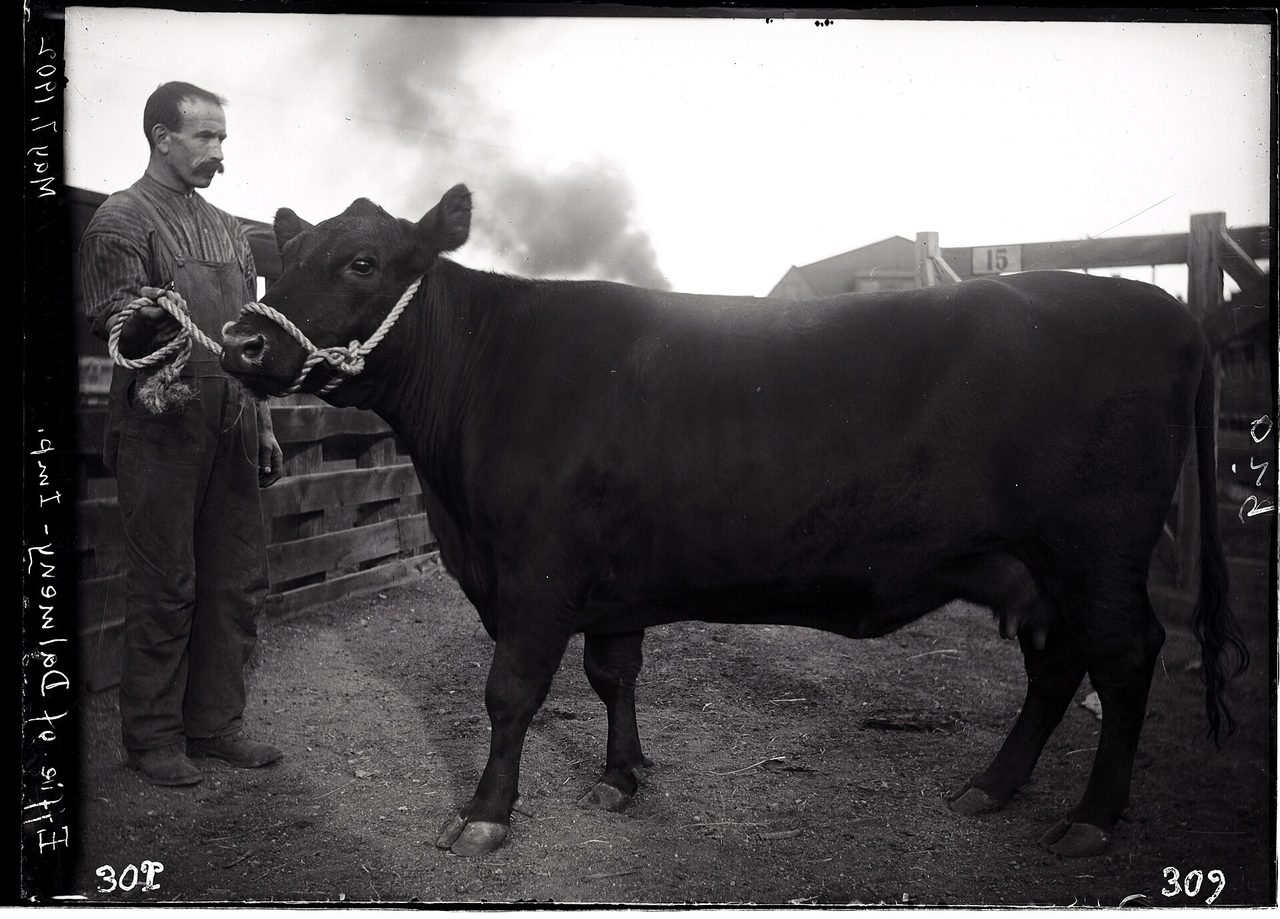
Photo: Unidentified photographer / Wikimedia Commons (Public domain)
In brief
The Aberdeen Angus is a naturally polled (hornless) Scottish beef breed, usually solid black (sometimes red), valued for hardiness, easy calving and richly marbled, tender beef.
What are the key facts about a Aberdeen Angus?
The Aberdeen Angus is a cattle breed from Scotland (Aberdeenshire & Angus): medium–large (cows 550–700 kg), docile, easy-calving, hardy. Scotland's naturally hornless beef breed, famous worldwide for well-marbled meat.
| Origin | Scotland (Aberdeenshire & Angus) |
|---|---|
| Size | Medium–large (cows 550–700 kg) |
| Typical weight | Cows 550–700 kg; bulls 850–1,000 kg |
| Lifespan | 12–18 years (beef cattle slaughtered far younger) |
| Coat & colour | Short, solid black or red coat; naturally hornless |
| Temperament | Docile, easy-calving, hardy |
| Kept for / suits | Beef and conservation grazing; calm, low-input systems |
Should you keep a Aberdeen Angus?
Keep a Aberdeen Angus only if you can meet livestock law, land, feed and veterinary care — not because the cattle looks friendly online. This Scotland (Aberdeenshire & Angus) type is medium–large (cows 550–700 kg) and docile, easy-calving, hardy.
A Aberdeen Angus is husbandry, not a house pet. Check local zoning, neighbour rules, and whether you can provide species-appropriate shelter, forage and handling. Scotland's naturally hornless beef breed, famous worldwide for well-marbled meat.
Impulse “micro” livestock and Easter-gift birds are how cattles end up dumped. If you cannot commit for 12–18 years (beef cattle slaughtered far younger), do not start. Rescue and rehoming exist; buying a cheap animal you cannot keep is the problem this page is trying to prevent.
What is a Aberdeen Angus?
Scotland's naturally hornless beef breed, famous worldwide for well-marbled meat. Origin is Scotland (Aberdeenshire & Angus); coat or markings are described as Short, solid black or red coat; naturally hornless.
Kennel and registry labels describe a type. Individual Aberdeen Anguss still vary, and rescue animals may be mixes.
Where does the Aberdeen Angus come from?
Aberdeen Anguss come from Scotland (Aberdeenshire & Angus). The Angus was refined in north-east Scotland in the 19th century by breeders such as Hugh Watson and William McCombie, who fixed its solid colour and polled head.
Its marbling and docility made 'Angus beef' a global premium brand. The breed is now one of the most widely used beef cattle in the world.
That origin still shows. A Aberdeen Angus is medium–large (cows 550–700 kg) and docile, easy-calving, hardy, typically living 12–18 years (beef cattle slaughtered far younger). Use the history as context for care and conservation, not as folklore to repeat without sources.
What husbandry does a Aberdeen Angus need?
Aberdeen Angus husbandry is land, feed, handling and veterinary access — for 12–18 years (beef cattle slaughtered far younger). This Scotland (Aberdeenshire & Angus) type is medium–large (cows 550–700 kg) (Cows 550–700 kg; bulls 850–1,000 kg) and docile, easy-calving, hardy.
Shelter, clean water, species-appropriate forage and a plan for parasites and feet or hooves are the baseline. Coat notes (Short, solid black or red coat; naturally hornless) tell you about weather and grooming, not whether the animal can live in a garage.
Know what you will do with offspring, and do not keep a single highly social cattle alone if the species is a flock or herd animal.
What surprises people about the Aberdeen Angus?
A few details about the breed, alongside the practical care information in this guide.
- Angus cattle are naturally polled — they grow no horns at all.
- The black coat is dominant, so Angus crosses are often black.
- 'Certified Angus Beef' is a marketing brand, not a separate breed.
- Red Angus is the same breed carrying a recessive red gene.
What health issues should you know about in a Aberdeen Angus?
Health concerns to discuss with your vet, including changes to watch for and everyday care. This is general guidance, not veterinary advice — always speak to your vet.
Bloat
Gas builds up in the rumen faster than it can be belched, distending the left flank — it can be rapidly fatal.
Care: Introduce rich pasture and grain gradually; call a vet immediately for severe, sudden bloating.
Lameness
Foot disorders such as sole ulcers, digital dermatitis and laminitis cause painful limping and reduced welfare.
Care: Regular hoof trimming, clean dry footing and prompt veterinary treatment keep cattle sound.
Bovine respiratory disease
A complex of viral and bacterial infections causing coughing, fever and laboured breathing, especially in stressed or housed cattle.
Care: Good ventilation, low stress and vaccination reduce risk; a vet prescribes treatment for affected animals.
Who should skip a Aberdeen Angus?
Skip a Aberdeen Angus if you are anyone unwilling to learn bloat emergency signs. This Scotland (Aberdeenshire & Angus) cattle is medium–large (cows 550–700 kg) and docile, easy-calving, hardy — the mismatch is usually lifestyle, not a missing accessory.
This page is allowed to say no. Skip if you are anyone unwilling to learn bloat emergency signs. Skip if you are anyone without land, zoning permission, and a vet.
A different cattle breed on this site may fit. Wanting “a Aberdeen Angus” after a film or a colour photo is not a reason to ignore the skip list.
What are the hidden catches with a Aberdeen Angus?
The hidden cost of a Aberdeen Angus is usually not the purchase price. It is years of care, the health list on this page, and the mismatch between a docile, easy-calving, hardy animal and a busy home.
The impulse-buy catch
A Aberdeen Angus from Scotland (Aberdeenshire & Angus) is often sold on looks. Coat, colour and size are not a temperament test. Meet the adult animal, ask about health screening, and walk away from pressure sales.
The bloat catch
Deep-chested Aberdeen Anguss can develop gastric dilatation-volvulus. Know the emergency signs (unproductive retching, swollen abdomen) and have a 24-hour vet plan.
The lameness catch
Foot disorders such as sole ulcers, digital dermatitis and laminitis cause painful limping and reduced welfare. Regular hoof trimming, clean dry footing and prompt veterinary treatment keep cattle sound.
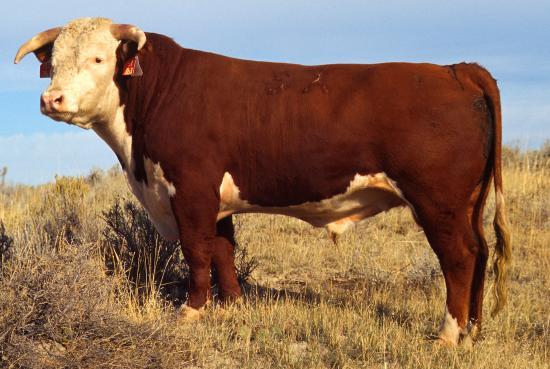
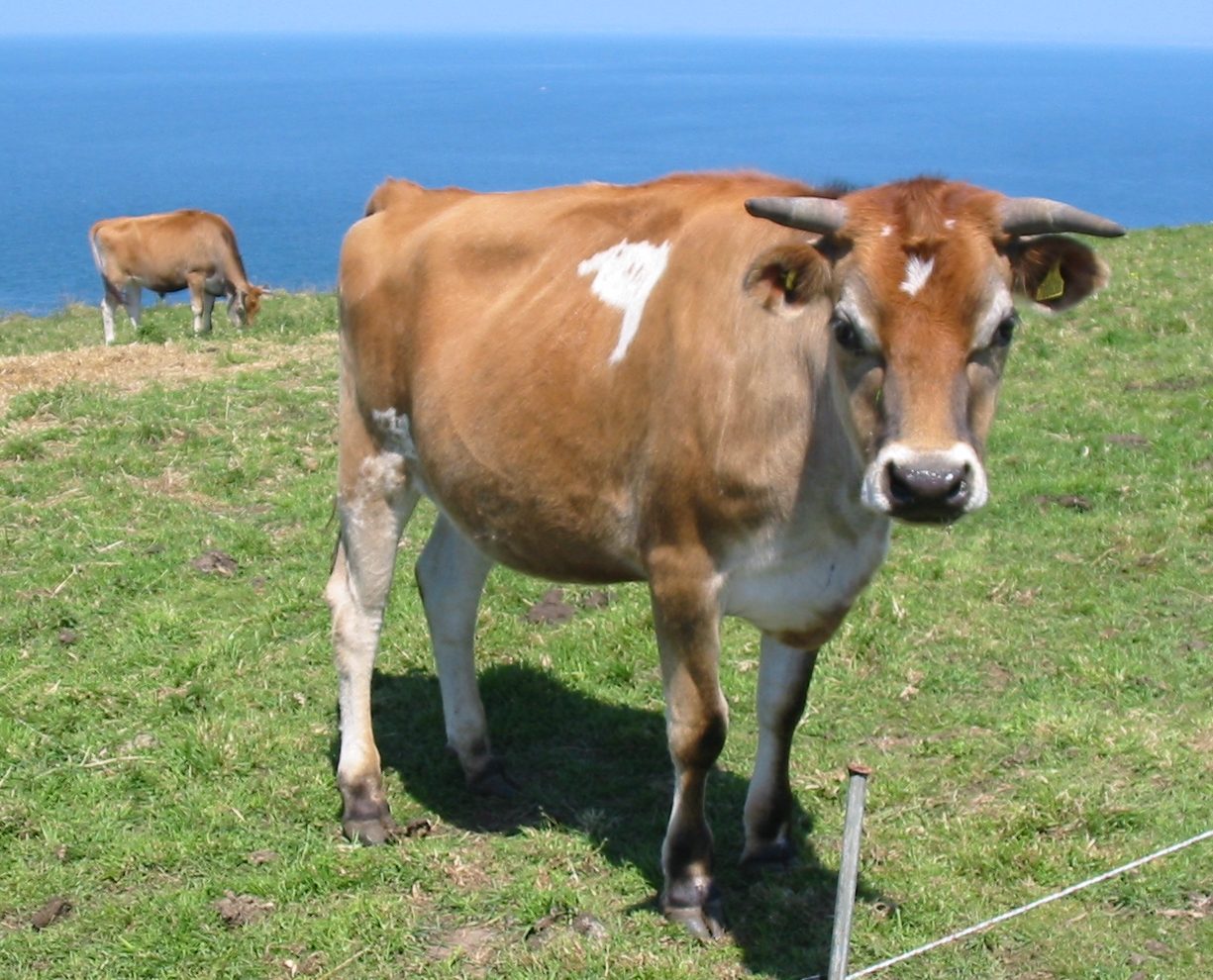
How does a Aberdeen Angus compare with Hereford and Jersey?
A Aberdeen Angus is not interchangeable with Hereford and Jersey. Compare origin, size, lifespan and temperament before you choose — those four lines prevent most regret.
| Cattle fact | Aberdeen Angus | Hereford | Jersey |
|---|---|---|---|
| Origin | Scotland (Aberdeenshire & Angus) | England (Herefordshire) | Jersey, Channel Islands |
| Size | Medium–large (cows 550–700 kg) | Large (cows 600–800 kg) | Small (cows 400–500 kg) |
| Lifespan | 12–18 years (beef cattle slaughtered far younger) | 15–18 years (beef cattle slaughtered far younger) | 4–6 years in dairy; up to ~20 with good care |
| Temperament | Docile, easy-calving, hardy | Very docile, hardy, efficient | Curious, gentle, sometimes lively |
What is the verdict on the Aberdeen Angus?
Choose a Aberdeen Angus only if the care, skip-if and health sections still look like your life after a week of thinking. Otherwise pick a different cattle or wait. Rescue is usually the better first door than a waiting-list puppy or kitten.
If the match is real, budget for 12–18 years (beef cattle slaughtered far younger) of vet care and do not skip health screening. If it is not, walking away is the kind choice — for you and for the animal.
Cattle are sentient, social animals
Cows form bonds, recognise faces and grieve separated calves. Whether dairy, beef or working oxen, they deserve pasture, shade and proper veterinary and hoof care. WARN's working-animal programmes support rural veterinary access where cattle and equines share the same routes.