Budgerigar Variety · Domestic colour variety (wild type native to inland Australia)
Spangle
A dominant mutation that reverses the wing pattern for a lacy, edged look.
By WARN Research & Conservation TeamLast updated
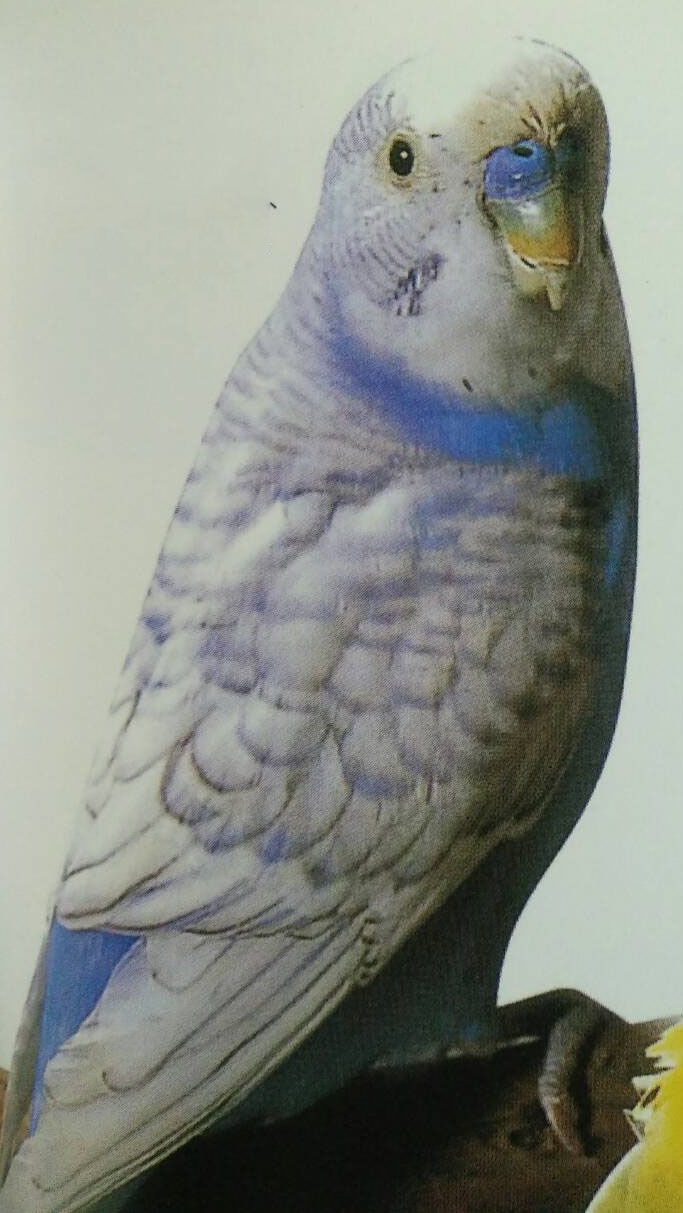
In brief
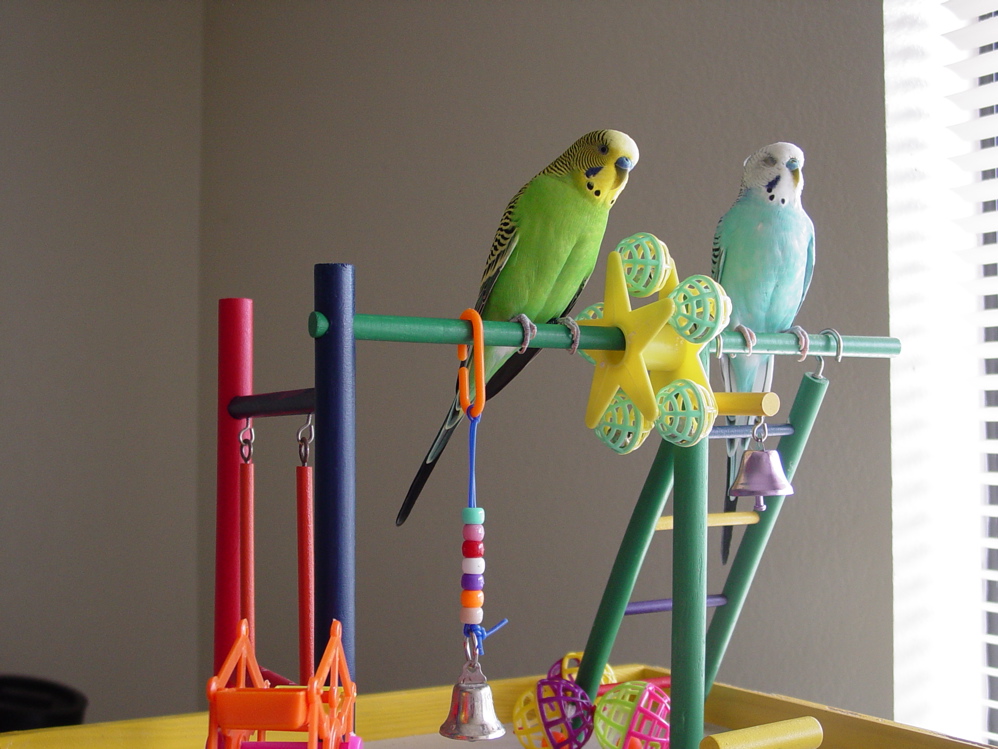
The Spangle budgerigar carries a dominant mutation that reverses the normal wing markings, so each feather has a dark edge around a light centre and the throat spots are reduced or ringed. It appears in every colour.
What are the key facts about a Spangle?
The Spangle is a budgerigar variety from Domestic colour variety (wild type native to inland Australia): small (about 18 cm; wild-type 30–40 g), active, social, lively. A dominant mutation that reverses the wing pattern for a lacy, edged look.
| Origin | Domestic colour variety (wild type native to inland Australia) |
|---|---|
| Size | Small (about 18 cm; wild-type 30–40 g) |
| Size & weight | 30–40 g (wild type); exhibition birds 50–62 g |
| Lifespan | 5–10 years (sometimes 12–15 with excellent care; exhibition lines often shorter) |
| Plumage | Any colour with reversed, edged wing markings and reduced throat spots |
| Temperament | Active, social, lively |
| Best suited to | Sociable owners; budgies are flock birds and do best in pairs or groups with daily interaction |
Is a Spangle a good pet bird?
A Spangle can be a rewarding companion bird if you can offer daily out-of-cage time, a varied diet, and an avian vet. This Domestic colour variety (wild type native to inland Australia) variety is small (about 18 cm; wild-type 30–40 g) and active, social, lively, often living 5–10 years (sometimes 12–15 with excellent care; exhibition lines often shorter).
Seed-only diets, tiny cages and isolation make Spangles sick. They are flock animals. Plan for noise, mess, and a lifespan that can exceed a decade.
Buy from a rescue or a documented breeder, never a wild-caught parrot. If you want a quiet, cageless pet, this is the wrong animal.
What is a Spangle?
A dominant mutation that reverses the wing pattern for a lacy, edged look. Origin is Domestic colour variety (wild type native to inland Australia); coat or markings are described as Any colour with reversed, edged wing markings and reduced throat spots.
Kennel and registry labels describe a type. Individual Spangles still vary, and rescue animals may be mixes.
Where does the Spangle come from?
Spangles come from Domestic colour variety (wild type native to inland Australia). The budgerigar (Melopsittacus undulatus) is a small parrot from the arid interior of Australia, where huge nomadic flocks follow seasonal rains.
First brought to Europe in the 1840s, it became one of the world's most popular cage birds. Selective breeding has since produced a wide spectrum of colour mutations and the larger 'English' exhibition type, all descended from the green-and-yellow wild bird.
That origin still shows. A Spangle is small (about 18 cm; wild-type 30–40 g) and active, social, lively, typically living 5–10 years (sometimes 12–15 with excellent care; exhibition lines often shorter). Use the history as context for care and conservation, not as folklore to repeat without sources.
How do you care for a Spangle?
A Spangle needs a wide cage or aviary, daily flight time, and a pellet-and-vegetable diet — for 5–10 years (sometimes 12–15 with excellent care; exhibition lines often shorter). This Domestic colour variety (wild type native to inland Australia) bird is small (about 18 cm; wild-type 30–40 g) and active, social, lively.
Seed-only feeding causes liver and vitamin A problems. Pair or flock housing beats a solitary bird on a round stand. Expect noise and mess.
Find an avian vet before an emergency. Coat and colour (Any colour with reversed, edged wing markings and reduced throat spots) are variety labels, not a reason to buy a bird you cannot house.
What surprises people about the Spangle?
A few details about the breed, alongside the practical care information in this guide.
- Spangle reverses the usual black-on-light wing pattern to light-with-dark-edges.
- It is a dominant mutation that first appeared in Australia in the 1970s.
- Double-factor spangles are almost pure yellow or white.
- It can be combined with any body colour.
What health issues should you know about in a Spangle?
Health concerns to discuss with your vet, including changes to watch for and everyday care. This is general guidance, not veterinary advice — always speak to your vet.
Goitre (iodine deficiency)
An iodine-deficient, all-seed diet enlarges the thyroid, pressing on the airway and crop and causing laboured breathing, a clicking voice and regurgitation — classic in budgerigars.
Care: Feed a varied diet with a vet-approved pellet base rather than seed alone; an avian vet can treat affected birds with iodine and dietary correction.
Fatty liver disease
All-seed diets high in fat lead to hepatic lipidosis, causing an overgrown beak, poor feathering and lethargy.
Care: Switch gradually to a formulated pellet base with vegetables under avian-vet guidance and limit fatty seeds.
Lipomas (fatty tumours)
Budgerigars, especially older or overweight birds, commonly develop benign fatty lumps (lipomas), most often on the chest or abdomen.
Care: Keep birds active on a balanced, lower-fat diet; an avian vet can assess lumps and, where needed, manage or surgically remove them.
Who should skip a Spangle?
Skip a Spangle if you are owners who wanted a low-exercise companion. This Domestic colour variety (wild type native to inland Australia) budgerigar is small (about 18 cm; wild-type 30–40 g) and active, social, lively — the mismatch is usually lifestyle, not a missing accessory.
This page is allowed to say no. Skip if you are owners who wanted a low-exercise companion.
A different budgerigar variety on this site may fit. Wanting “a Spangle” after a film or a colour photo is not a reason to ignore the skip list.
What are the hidden catches with a Spangle?
The hidden cost of a Spangle is usually not the purchase price. It is years of care, the health list on this page, and the mismatch between a active, social, lively animal and a busy home.
The impulse-buy catch
A Spangle from Domestic colour variety (wild type native to inland Australia) is often sold on looks. Coat, colour and size are not a temperament test. Meet the adult animal, ask about health screening, and walk away from pressure sales.
The goitre (iodine deficiency) catch
An iodine-deficient, all-seed diet enlarges the thyroid, pressing on the airway and crop and causing laboured breathing, a clicking voice and regurgitation — classic in budgerigars. Feed a varied diet with a vet-approved pellet base rather than seed alone; an avian vet can treat affected birds with iodine and dietary correction.
The fatty liver disease catch
All-seed diets high in fat lead to hepatic lipidosis, causing an overgrown beak, poor feathering and lethargy. Switch gradually to a formulated pellet base with vegetables under avian-vet guidance and limit fatty seeds.
How does a Spangle compare with Pied and English (Exhibition) Budgerigar?
A Spangle is not interchangeable with Pied and English (Exhibition) Budgerigar. Compare origin, size, lifespan and temperament before you choose — those four lines prevent most regret.
| Budgerigar fact | Spangle | Pied | English (Exhibition) Budgerigar |
|---|---|---|---|
| Origin | Domestic colour variety (wild type native to inland Australia) | Domestic colour variety (wild type native to inland Australia) | Domestic colour variety (wild type native to inland Australia) |
| Size | Small (about 18 cm; wild-type 30–40 g) | Small (about 18 cm; wild-type 30–40 g) | Small (about 18 cm; wild-type 30–40 g) |
| Lifespan | 5–10 years (sometimes 12–15 with excellent care; exhibition lines often shorter) | 5–10 years (sometimes 12–15 with excellent care; exhibition lines often shorter) | 5–10 years (sometimes 12–15 with excellent care; exhibition lines often shorter) |
| Temperament | Active, social, lively | Active, social, individual | Calm, slower, people-oriented |
What is the verdict on the Spangle?
Choose a Spangle only if the care, skip-if and health sections still look like your life after a week of thinking. Otherwise pick a different budgerigar or wait. Rescue is usually the better first door than a waiting-list puppy or kitten.
If the match is real, budget for 5–10 years (sometimes 12–15 with excellent care; exhibition lines often shorter) of vet care and do not skip health screening. If it is not, walking away is the kind choice — for you and for the animal.
Help animals in need
World Animal Rescue Network funds partner-led rescue, veterinary care and protection programmes across South Asia, Southeast Asia and South America.
What do people ask about the Spangle?
What is a Spangle budgerigar?
Is the Spangle a good pet budgie?
How long does a Spangle budgerigar live?
When is a Spangle the wrong choice?
How is a Spangle different from a Pied?
What should you know before getting a Spangle?
How long does a Spangle live?
How big does a Spangle get?
More Budgerigar Varieties
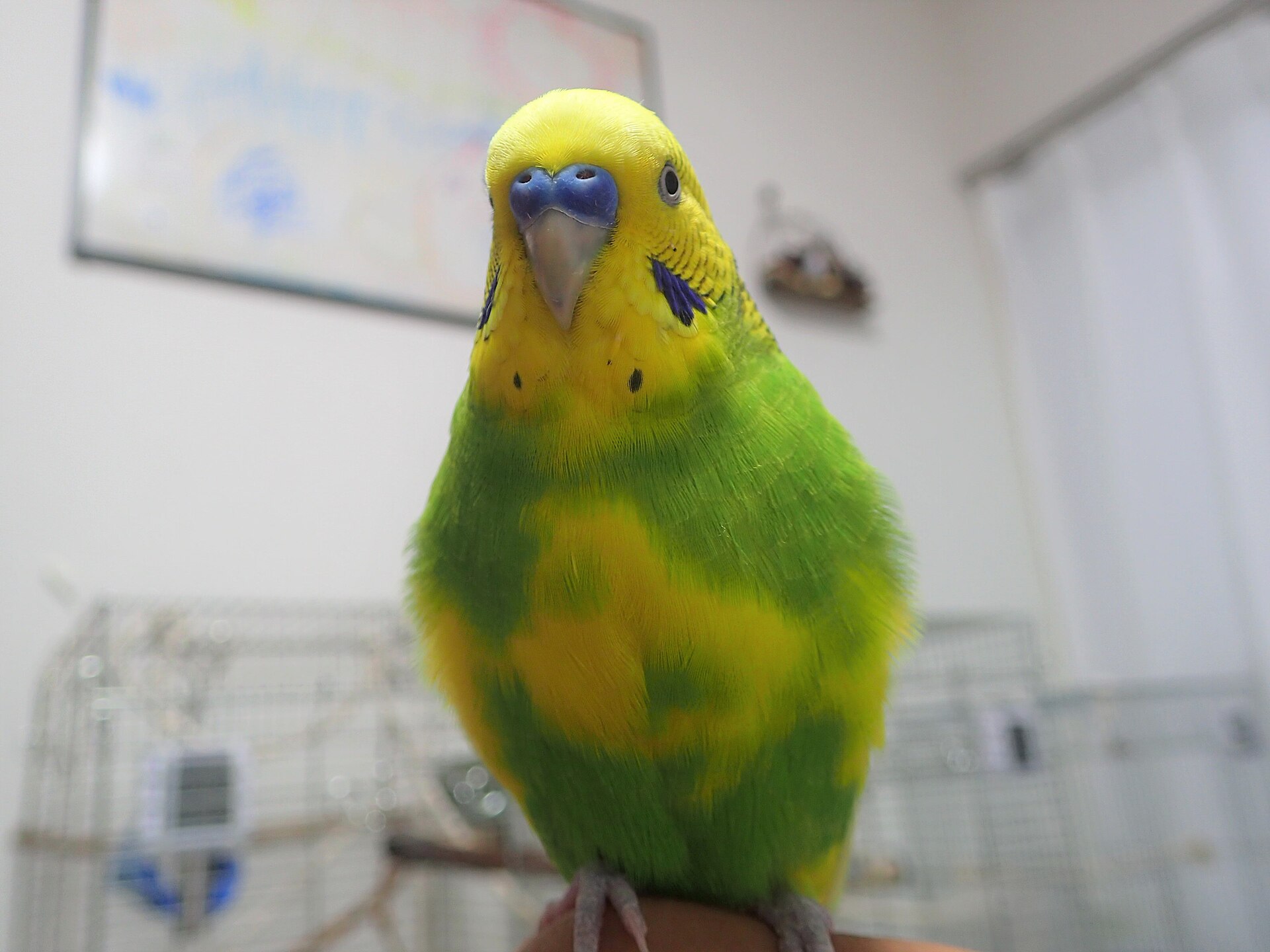
Pied
Domestic colour variety (wild type native to inland Australia)
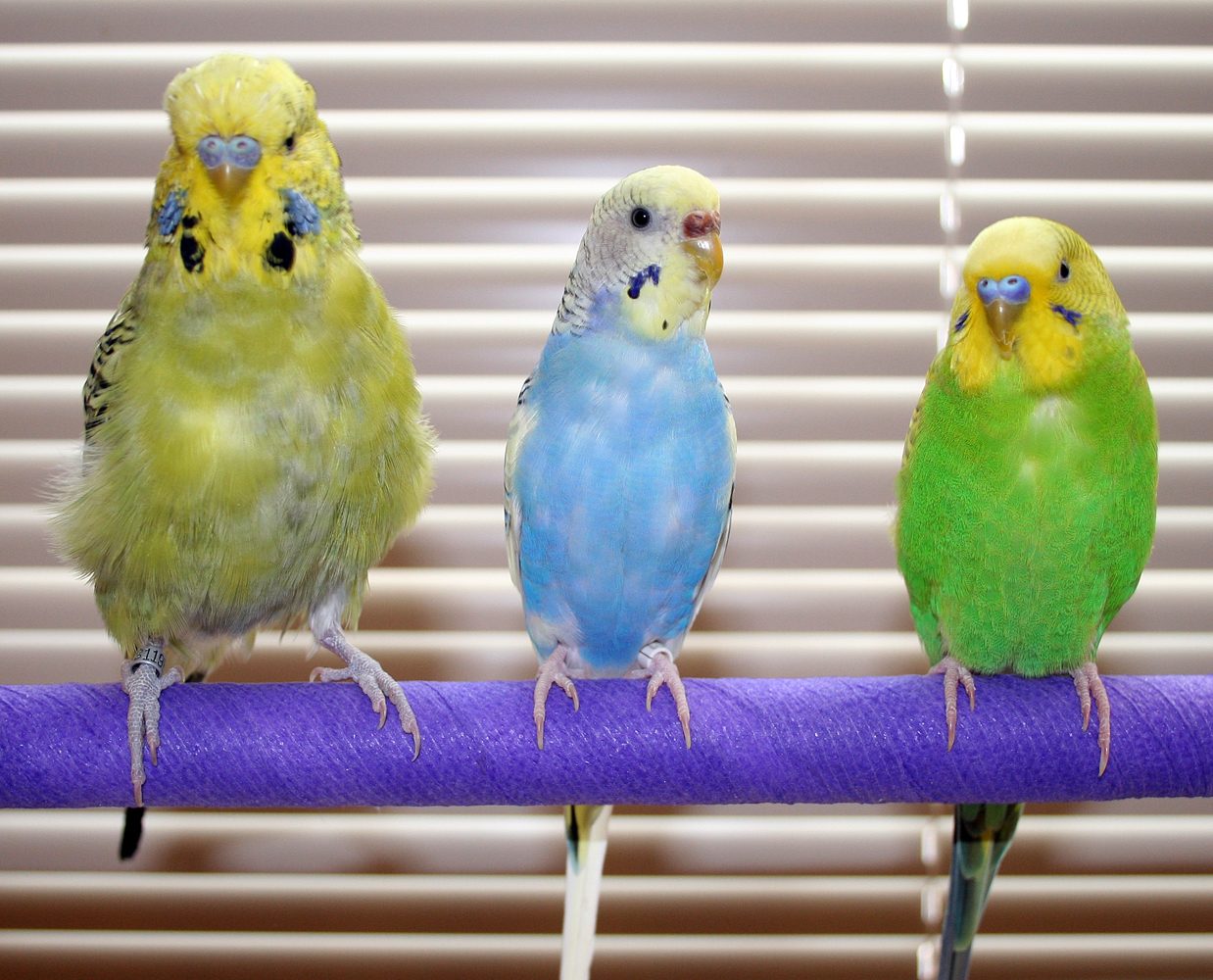
English (Exhibition) Budgerigar
Domestic colour variety (wild type native to inland Australia)
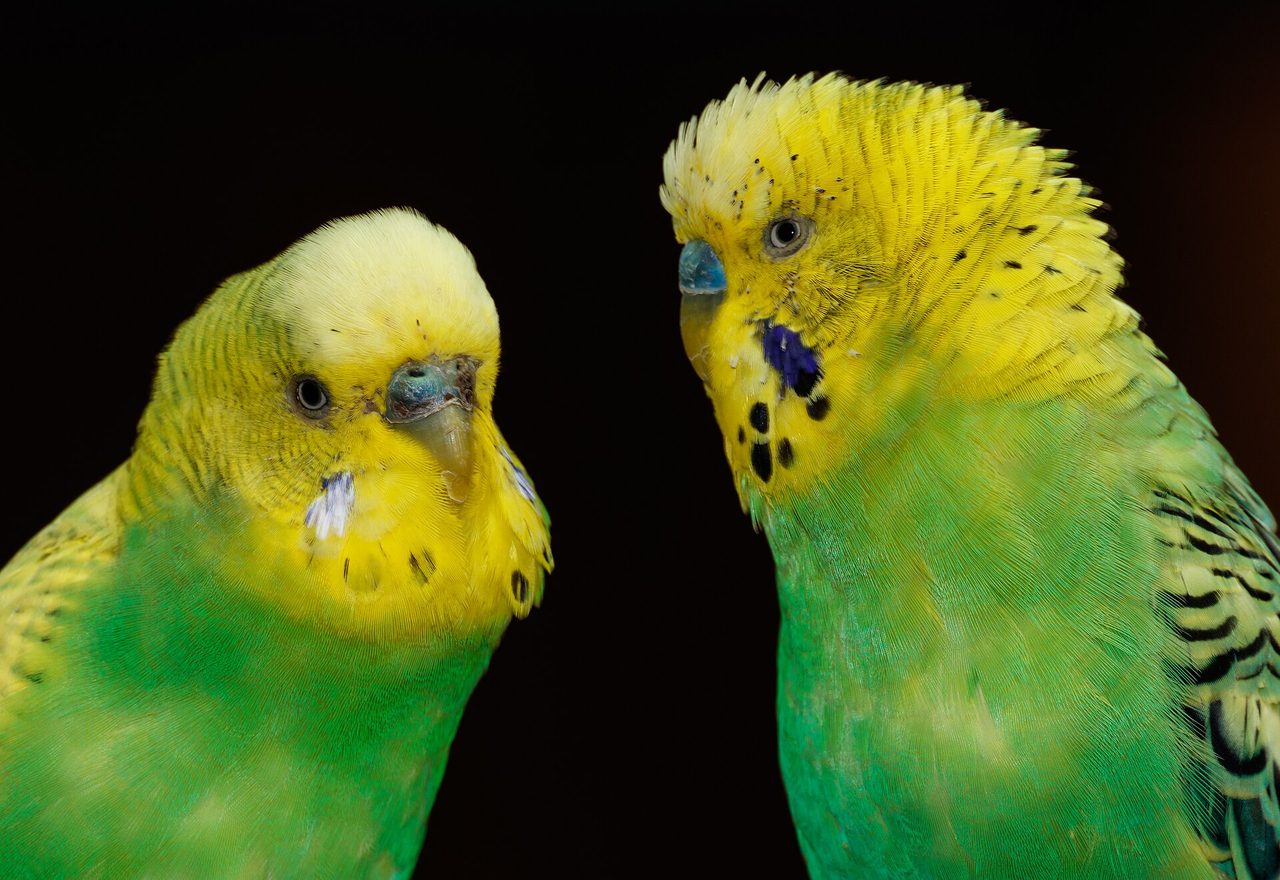
Light Green (Wild-type)
Domestic colour variety (wild type native to inland Australia)
Sky Blue
Domestic colour variety (wild type native to inland Australia)