Betta Breed · Domestic (line-bred morph)
Double Tail
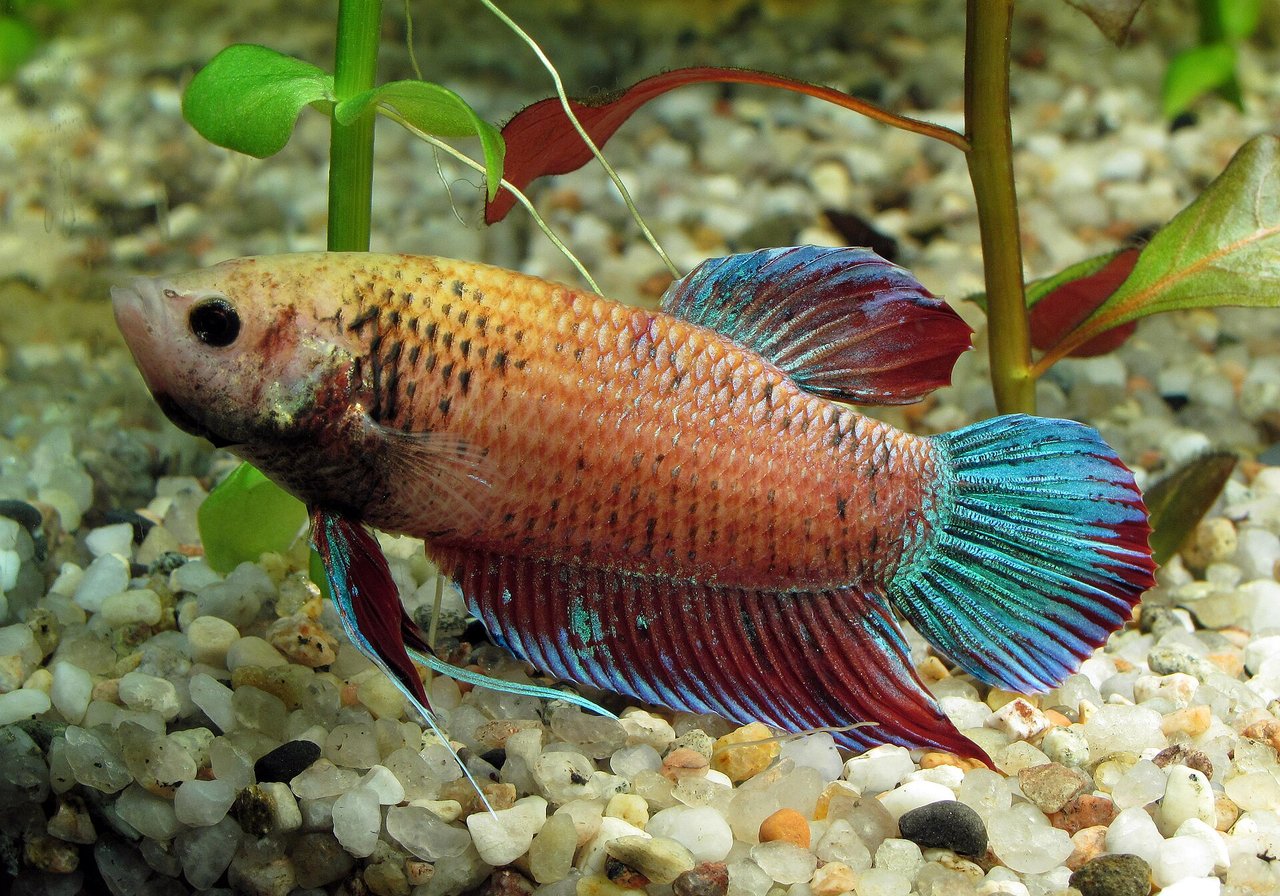
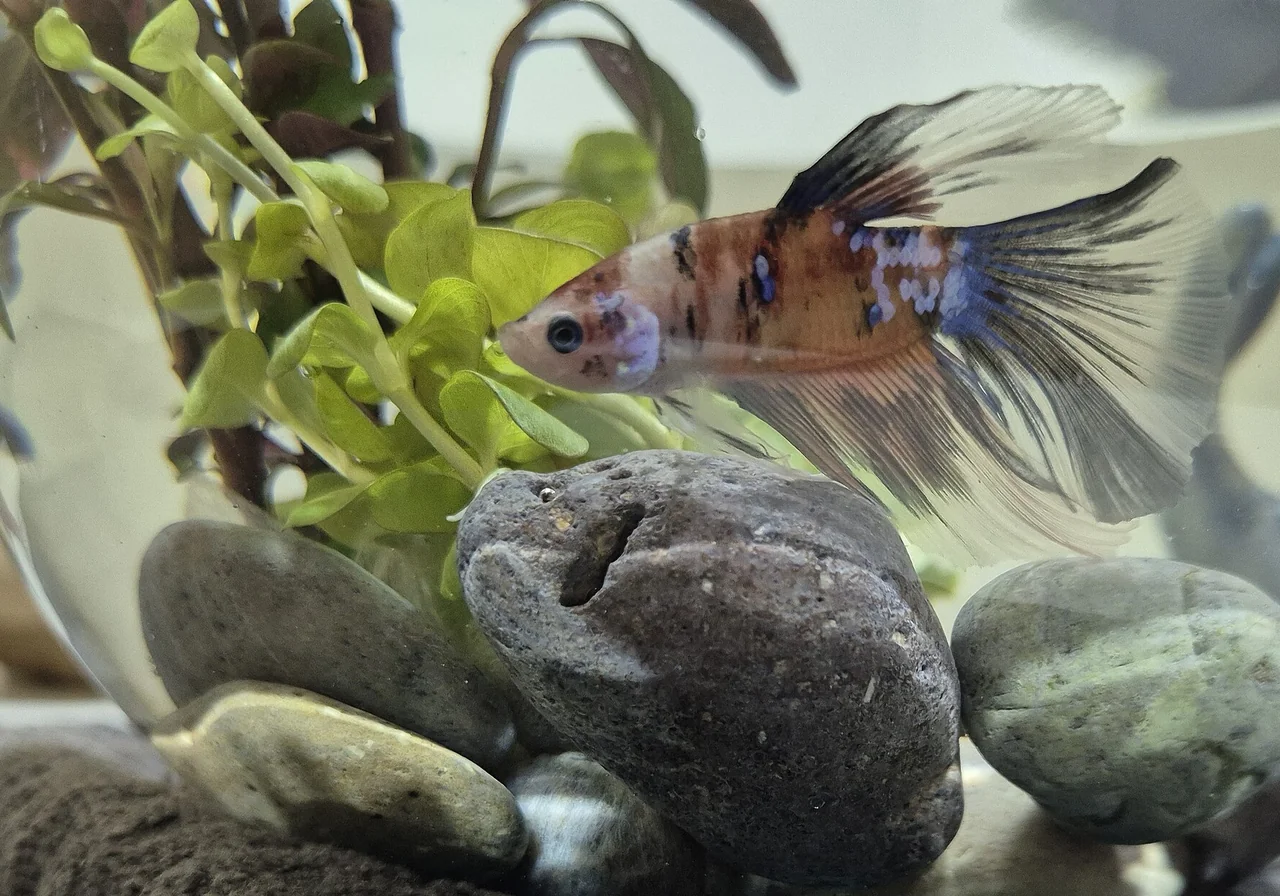
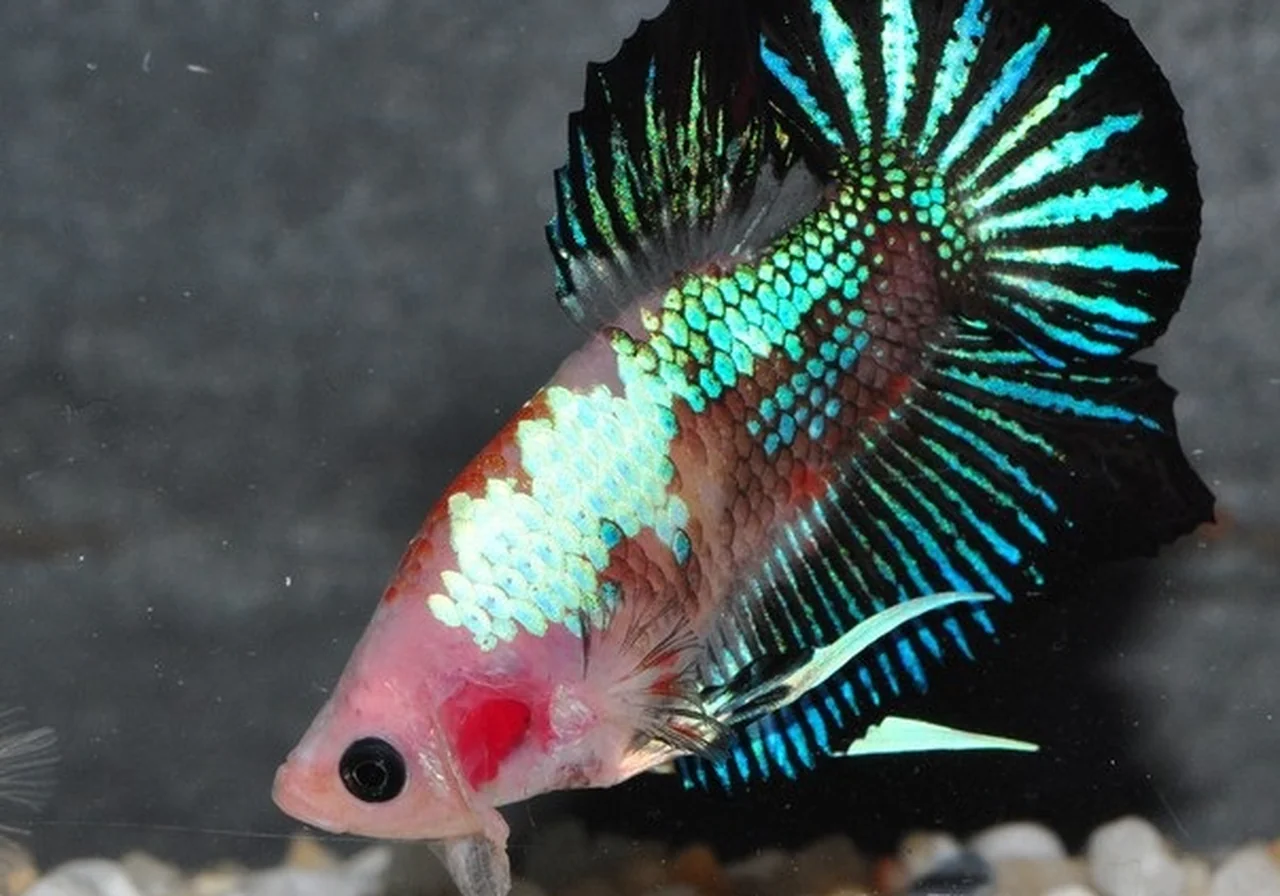
Two distinct lobes in the caudal fin — linked to shorter body conformation in some lines.
By WARN Research & Conservation TeamLast updated
In brief
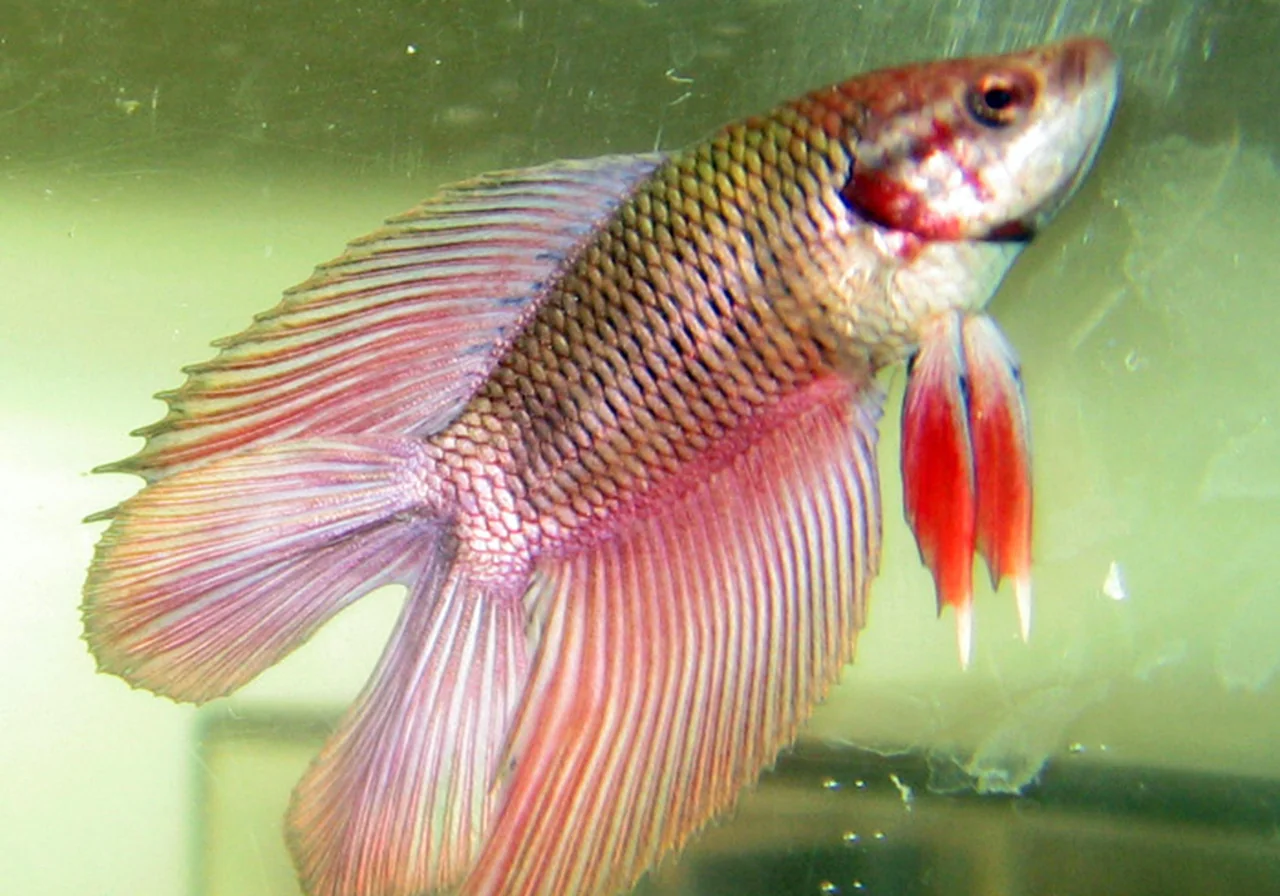
The Double tail betta splits the caudal fin into two distinct lobes — often with enlarged dorsal fin and shorter body in some lines. Its defining trait is showy fin symmetry linked to spinal issues in poorly bred lines requiring ethical sourcing and easy surface access.
What are the key facts about a Double Tail?
The Double Tail is a betta breed from Domestic (line-bred morph): small (5–7 cm body), showy, sometimes shorter-bodied, solitary. Two distinct lobes in the caudal fin — linked to shorter body conformation in some lines.
| Origin | Domestic (line-bred morph) |
|---|---|
| Size | Small (5–7 cm body) |
| Typical size | 5–7 cm (2–2.8 in); shorter body lines exist in show breeding |
| Lifespan | 3–5 years (with excellent care) |
| Fins & colour | Two-lobed caudal fin with dorsal fin enlargement common. Spinal curvature appears in poor breeding — choose reputable breeders. |
| Temperament | Showy, sometimes shorter-bodied, solitary |
| Best suited to | Keepers sourcing ethically bred double tails — low-flow tanks with floating plants near surface for labyrinth breathing. |
Is a Double Tail a good fish to keep?
A Double Tail can be a good aquarium betta if you will run a filtered, cycled tank — never a bowl. This Domestic (line-bred morph) variety is small (5–7 cm body) and showy, sometimes shorter-bodied, solitary, and it can live 3–5 years (with excellent care) when water quality is stable.
Most Double Tail misery is poor water, overstocking, or a tank that is too small for a small (5–7 cm body) fish. Read the coat/body notes on this page as husbandry, not decoration: fancy shapes often swim worse and need gentler tank mates.
Do not release unwanted Double Tails. They damage waterways. If you cannot keep the tank, rehome — do not dump.
What is a Double Tail?
Two distinct lobes in the caudal fin — linked to shorter body conformation in some lines. Origin is Domestic (line-bred morph); coat or markings are described as Two-lobed caudal fin with dorsal fin enlargement common. Spinal curvature appears in poor breeding — choose reputable breeders..
Kennel and registry labels describe a type. Individual Double Tails still vary, and rescue animals may be mixes.
Where does the Double Tail come from?
Double Tails come from Domestic (line-bred morph). Double tail genetics split caudal fin symmetry — prized on show bench when balanced.
Some lines show body shortening linked to vertebral issues. Ethical breeders cull severely curved spines — pet-shop double tails may carry hidden defects.
That origin still shows. A Double Tail is small (5–7 cm body) and showy, sometimes shorter-bodied, solitary, typically living 3–5 years (with excellent care). Use the history as context for care and conservation, not as folklore to repeat without sources.
How do you care for a Double Tail?
Double Tail care is water chemistry first. This Domestic (line-bred morph) variety grows to small (5–7 cm body) (5–7 cm (2–2.8 in); shorter body lines exist in show breeding) and can live 3–5 years (with excellent care) in a filtered, cycled tank — not a vase.
Cycle the tank before the fish arrives. Match filtration to bioload, avoid overfeeding, and choose tank mates that will not nip a two-lobed caudal fin with dorsal fin enlargement common. spinal curvature appears in poor breeding — choose reputable breeders. form. Fancy body shapes often need slower flow.
Weekly testing beats gadgets. If ammonia or nitrite appear, you have a husbandry failure, not a mysterious disease. Never release a Double Tail into a pond or river.
What surprises people about the Double Tail?
A few details about the breed, alongside the practical care information in this guide.
- Double tail gene also enlarges dorsal fin in many lines.
- Ideal double tail shows equal lobe length when flared.
- Some double tails have noticeably shorter bodies — breeding controversy.
- Females occasionally show partial double tail expression.
What health issues should you know about in a Double Tail?
Health concerns to discuss with your vet, including changes to watch for and everyday care. This is general guidance, not veterinary advice — always speak to your vet.
Swim bladder disorder
Body conformation in some lines increases buoyancy problems.
Care: Soak pellets; maintain warm clean water.
Fin rot
Multiple long fin edges susceptible in dirty cups.
Care: Filtered tank and water changes.
Spinal deformity (poor line breeding)
Curved spine and swimming difficulty in badly bred fish.
Care: Buy from ethical breeders; euthanasia consideration if quality of life poor — consult vet.
Who should skip a Double Tail?
Skip a Double Tail if you are anyone planning a bowl, vase, or unfiltered tank. This Domestic (line-bred morph) betta is small (5–7 cm body) and showy, sometimes shorter-bodied, solitary — the mismatch is usually lifestyle, not a missing accessory.
This page is allowed to say no. Skip if you are anyone planning a bowl, vase, or unfiltered tank.
A different betta breed on this site may fit. Wanting “a Double Tail” after a film or a colour photo is not a reason to ignore the skip list.
What are the hidden catches with a Double Tail?
The hidden cost of a Double Tail is usually not the purchase price. It is years of care, the health list on this page, and the mismatch between a showy, sometimes shorter-bodied, solitary animal and a busy home.
The impulse-buy catch
A Double Tail from Domestic (line-bred morph) is often sold on looks. Coat, colour and size are not a temperament test. Meet the adult animal, ask about health screening, and walk away from pressure sales.
The bowl catch
Bowls and unfiltered tanks kill slowly via ammonia. A Double Tail needs volume, filtration and cycling. “Easy pet” marketing is the catch.
The swim bladder disorder catch
Body conformation in some lines increases buoyancy problems. Soak pellets; maintain warm clean water.
The fin rot catch
Multiple long fin edges susceptible in dirty cups. Filtered tank and water changes.
How does a Double Tail compare with Elephant Ear and Koi?
A Double Tail is not interchangeable with Elephant Ear and Koi. Compare origin, size, lifespan and temperament before you choose — those four lines prevent most regret.
| Betta fact | Double Tail | Elephant Ear | Koi |
|---|---|---|---|
| Origin | Domestic (line-bred morph) | Domestic (Dumbo line) | Domestic (marble colour pattern) |
| Size | Small (5–7 cm body) | Small (5–7 cm body) | Small (5–7 cm body) |
| Lifespan | 3–5 years (with excellent care) | 3–5 years (with excellent care) | 3–5 years (with excellent care) |
| Temperament | Showy, sometimes shorter-bodied, solitary | Calm, distinctive, fin-heavy | Active, colour-changing, solitary |
What is the verdict on the Double Tail?
Choose a Double Tail only if the care, skip-if and health sections still look like your life after a week of thinking. Otherwise pick a different betta or wait. Rescue is usually the better first door than a waiting-list puppy or kitten.
If the match is real, budget for 3–5 years (with excellent care) of vet care and do not skip health screening. If it is not, walking away is the kind choice — for you and for the animal.
Bettas need heated, filtered tanks
Siamese fighting fish are sold in cups worldwide — yet they thrive in heated, filtered five-gallon-plus tanks with enrichment. Better care starts with honest information.