Animal Comparison
Whale vs Dolphin
All dolphins are whales (cetaceans). Orcas are dolphins. Everyday speech uses whale for larger species and dolphin for smaller toothed whales — not a clean.
By WARN Research & Conservation TeamLast updated
In brief — Whale vs Dolphin
Dolphins are whales; “whale” in casual speech usually means the larger cetaceans, not a separate opposite of dolphin.
All dolphins are whales: they are cetaceans. Everyday English often reserves whale for larger species and dolphin for smaller toothed whales with beak-like snouts. Orcas are the largest dolphins. Baleen whales sit outside the dolphin group but still inside whales.
See the difference
Images are shown at different scales. Read each caption for the species, source and context.
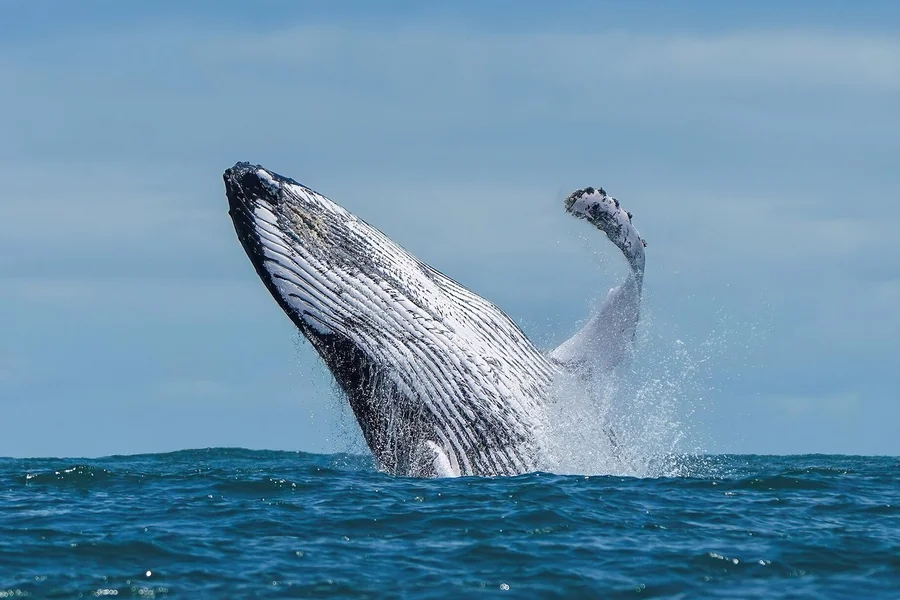
Whale — broad cetacean label; includes dolphins
AI-generated educational wildlife portrait — World Animal Rescue Network
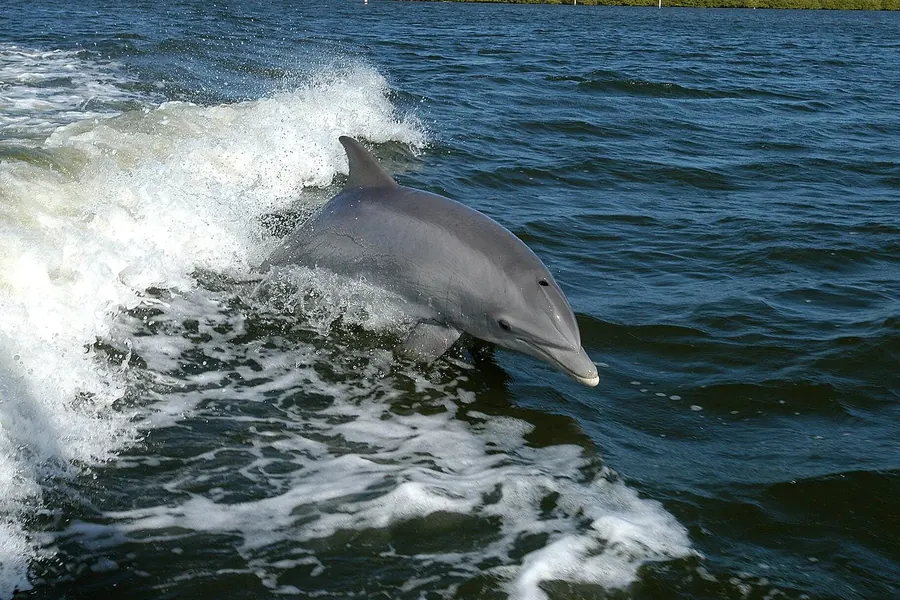
Dolphin — a toothed whale; orcas are dolphins too
AI-generated educational wildlife portrait — World Animal Rescue Network
Whale vs Dolphin: At a Glance
| Feature | Whale | Dolphin |
|---|---|---|
| Scientific grouping | Cetaceans (all whales) | Toothed whales — dolphin families |
| Are dolphins whales? | Whale includes dolphins | Yes — dolphins are whales |
| Orca | A whale in everyday speech | Largest dolphin species |
| Feeding apparatus | Baleen or teeth (depends) | Teeth |
| Typical size stereotype | Larger | Smaller — with orca exception |
| Blowhole | One or two (toothed vs baleen) | One |
| Classic examples | Blue, humpback, sperm whale | Bottlenose, common dolphin, orca |
| Social life | Varies widely | Often highly social pods |
| Porpoise note | Also cetaceans | Different from true dolphins |
| Conservation | Several species endangered | Varies; some depleted by catch/pollution |
Size and physical differences
Most animals called whales are larger — blue whales exceed 25 m — while common dolphins are a few metres long; orcas are dolphins that can exceed 8 m.
Whale versus dolphin is a correction page with an anatomy chaser. In science, whales means cetaceans — the lineage of whales, dolphins and porpoises. Dolphins are toothed whales in the family Delphinidae (and closely related groups in broader casual use). Saying a dolphin is not a whale is like saying a human is not a mammal because we also say person.
Everyday speech still prefers whale for the big ones, especially baleen giants, and dolphin for the familiar beak-faced schoolers. That habit is why people are shocked to learn orcas are dolphins. Teach the nested categories first, then the field marks: teeth versus baleen, beak shape, dorsal fin form, and size.
This comparison sticks to marks you can use without laboratory gear: size, shape, behaviour and the words people actually type into a search box. Scientific names are given where they prevent a regional mix-up. Where published measurements disagree, this page gives the range rather than a single tidy figure that implies more certainty than the sources support.
Nested categories, not rivals
Whale is the broad everyday and scientific umbrella (cetacean). Dolphin is a subset of toothed whales. Porpoises are another toothed-whale group with different teeth and snouts. Charts that put whale / dolphin / porpoise as three equal peer boxes mis-draw the tree. Field observers should treat colour alone as weak evidence and combine it with shape, behaviour and habitat before naming what they see. Where published measurements disagree, this page gives the range rather than a single tidy figure that implies more certainty than the sources support. Field observers should treat colour alone as weak evidence and combine it with shape, behaviour and habitat before naming what they see. Where published measurements disagree, this page gives the range rather than a single tidy figure that implies more certainty than the sources support.
Orcas settle the argument
Orcinus orca is a dolphin that can outweigh many animals people call whales in casual speech. If orcas are dolphins, then “dolphins are not whales” cannot be right. They are whales and dolphins at once because one word nests inside the other. Field observers should treat colour alone as weak evidence and combine it with shape, behaviour and habitat before naming what they see. Where published measurements disagree, this page gives the range rather than a single tidy figure that implies more certainty than the sources support. Field observers should treat colour alone as weak evidence and combine it with shape, behaviour and habitat before naming what they see. Where published measurements disagree, this page gives the range rather than a single tidy figure that implies more certainty than the sources support.
Teeth versus baleen
Baleen whales filter prey with keratin plates and lack teeth as adults. Dolphins have teeth and hunt individual prey with echolocation. Sperm whales are large toothed whales that are not dolphins in the everyday Delphinidae sense — another reminder that size alone does not assign the label. Field observers should treat colour alone as weak evidence and combine it with shape, behaviour and habitat before naming what they see. Where published measurements disagree, this page gives the range rather than a single tidy figure that implies more certainty than the sources support. Field observers should treat colour alone as weak evidence and combine it with shape, behaviour and habitat before naming what they see. Where published measurements disagree, this page gives the range rather than a single tidy figure that implies more certainty than the sources support.
Body shape stereotypes
Many dolphins show a clear beak and a curved dorsal fin; many large whales show bulkier bodies and different head profiles. Stereotypes fail for humpback versus bottlenose in a photo without scale. Use multiple marks. Field observers should treat colour alone as weak evidence and combine it with shape, behaviour and habitat before naming what they see. Where published measurements disagree, this page gives the range rather than a single tidy figure that implies more certainty than the sources support. Field observers should treat colour alone as weak evidence and combine it with shape, behaviour and habitat before naming what they see. Where published measurements disagree, this page gives the range rather than a single tidy figure that implies more certainty than the sources support.
Why the wording matters for conservation
Laws and headlines that say whales sometimes omit dolphins even when the same threats — bycatch, noise, hunting history — apply. Clear nesting language keeps smaller cetaceans inside the moral and legal circle people already grant to “whales.” Field observers should treat colour alone as weak evidence and combine it with shape, behaviour and habitat before naming what they see. Where published measurements disagree, this page gives the range rather than a single tidy figure that implies more certainty than the sources support. Field observers should treat colour alone as weak evidence and combine it with shape, behaviour and habitat before naming what they see. Where published measurements disagree, this page gives the range rather than a single tidy figure that implies more certainty than the sources support.
Why the comparison matters
People search for whale versus dolphin because a wrong name leads to the wrong expectation — about danger, about care, about what lives in a local habitat. Getting the distinction right is how accurate advice and conservation reporting stay attached to the animal that is actually present. Field observers should treat colour alone as weak evidence and combine it with shape, behaviour and habitat before naming what they see. Conservation status also diverges inside everyday labels: a common garden species and a rare relative can share a common name while facing completely different pressures. Where published measurements disagree, this page gives the range rather than a single tidy figure that implies more certainty than the sources support. WARN publishes these comparisons so high-intent questions get a sourced answer instead of an unsourced listicle.
Did you know?
A killer whale is named like a whale and classified like a dolphin — the English is messy; the phylogeny is not.
Whale vs Dolphin: FAQs
Are dolphins whales?
Is an orca a whale or a dolphin?
What is the difference between a whale and a dolphin?
Are porpoises dolphins?
Do all whales have teeth?
Which is bigger?
Help protect animals
Learning about animals can help more people understand their needs. WARN raises funds for eligible animal-welfare organisations. Read the relevant appeal’s purpose, recipient status and fund terms, or share this free guide to raise awareness.