Animal Comparison
Terrapin vs Turtle
In British English, terrapins are freshwater shelled reptiles; turtle often means sea turtles. American English uses turtle more broadly.
By WARN Research & Conservation TeamLast updated
In brief — Terrapin vs Turtle
British usage splits freshwater terrapin from sea turtle; American usage often calls nearly all of them turtles.
In British English, terrapin usually means a freshwater shelled reptile, while turtle is often reserved for sea turtles. In American English, turtle is the broad label and terrapin is a narrower traditional name for some brackish or freshwater species such as the diamondback terrapin. The animals are all chelonians; the argument is mostly about words.
See the difference
Images are shown at different scales. Read each caption for the species, source and context.
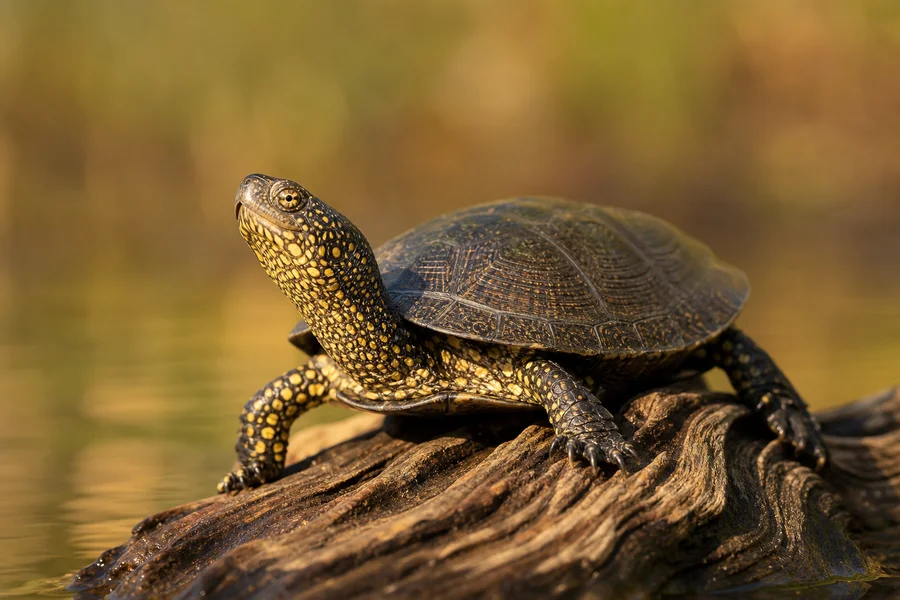
Terrapin — freshwater basking shell
AI-generated educational wildlife portrait — World Animal Rescue Network
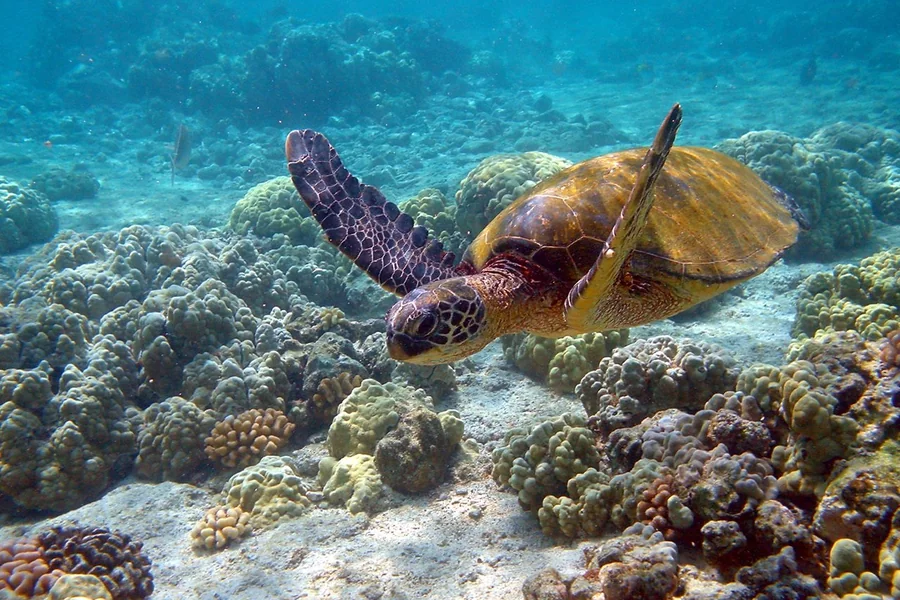
Turtle — aquatic shell
AI-generated educational wildlife portrait — World Animal Rescue Network
Terrapin vs Turtle: At a Glance
| Feature | Terrapin | Turtle |
|---|---|---|
| British everyday use | Freshwater shelled reptile | Often sea turtle |
| American everyday use | Narrow traditional name | Broad umbrella term |
| Typical habitat | Ponds, rivers, brackish creeks | Ocean for sea turtles |
| Limbs | Webbed feet common | Flippers in sea turtles |
| Shell height | Often moderate dome | Sea turtles flatter, streamlined |
| Salt tolerance | Some brackish specialists | Sea turtles fully marine |
| Pet trade label | Often sold as terrapin in UK | Sold as turtle in US |
| Taxonomy | Not one genus | Not one genus |
| Relation to tortoise | Separate land niche | Separate land niche |
| Conservation | Habitat and trade pressures | Fisheries and beaches for sea turtles |
Size and physical differences
Sea turtles include giants such as leatherbacks around 2 m long; common pet terrapins are typically well under 30 cm shell length.
Terrapin versus turtle is chiefly a dialect problem sitting on top of real ecology. All of these animals are chelonians — reptiles with a shell built from ribs and vertebrae. British popular speech long used tortoise for land, terrapin for fresh water, and turtle for the sea. American popular speech uses turtle as the umbrella word and keeps tortoise for many land forms, with terrapin as a traditional name for certain coastal species.
If you are identifying an animal, ask about habitat and limbs before arguing about the noun. Flippers and a life at sea point to a sea turtle. Webbed feet and ponds point to a freshwater turtle or terrapin in British wording. Domed shells and elephantine feet point toward tortoises.
This comparison sticks to marks you can use without laboratory gear: size, shape, behaviour and the words people actually type into a search box. Scientific names are given where they prevent a regional mix-up. Where published measurements disagree, this page gives the range rather than a single tidy figure that implies more certainty than the sources support.
Lead with the language split
If two people disagree about terrapin versus turtle, check which English they learned. A British speaker pointing at a red-eared slider in a garden pond may say terrapin; an American speaker will usually say turtle. Neither is being careless — the inherited vocabularies differ. Scientific writing sidesteps the fight with chelonian or with family and species names. For field identification, habitat and limb shape matter more than which folk noun won the argument at the kitchen table. Field observers should combine silhouette, behaviour and habitat before naming what they see. Where published measurements disagree, this page gives the range rather than a single tidy figure. Treat a single trait as supporting evidence rather than a complete identification. Local field guides remain the final check when similar species share a landscape.
Fresh water versus sea
Ecology still maps onto the British three-way split more cleanly than onto American turtle-as-everything. Sea turtles have flippers, spend their lives in the ocean, and come ashore mainly to nest. Freshwater species have distinct toes with webbing and haul out on logs. Brackish specialists such as diamondback terrapins sit between river and salt marsh. When someone asks which word to use, describing the habitat first prevents most miscommunication — then supply the local common name. Field observers should combine silhouette, behaviour and habitat before naming what they see. Where published measurements disagree, this page gives the range rather than a single tidy figure. Treat a single trait as supporting evidence rather than a complete identification. Local field guides remain the final check when similar species share a landscape.
Pets and invasive species
The pet trade muddies labels. Red-eared sliders have been sold under both turtle and terrapin tags and are invasive in many waterways outside their native range. Release of unwanted pets is a conservation problem regardless of the shop label. If you keep a shelled reptile, learn the species, its adult size, and the legal rules where you live. The terrapin versus turtle search often begins with a child asking what to call the animal in the tank; the more important answer is how large it will grow and that it is not a short-term toy. Field observers should combine silhouette, behaviour and habitat before naming what they see. Where published measurements disagree, this page gives the range rather than a single tidy figure.
How this pairs with tortoise
Tortoise usually means a land chelonian with columnar legs and little swimming ability. British English keeps that land sense fairly stable. Mixing tortoise, terrapin and turtle without habitat context is how online arguments start. Cross-check with our tortoise versus terrapin comparison if the animal is clearly terrestrial or semi-aquatic. Shell height, limb shape and where you found the animal beat colour pattern for beginners. Field observers should combine silhouette, behaviour and habitat before naming what they see. Where published measurements disagree, this page gives the range rather than a single tidy figure. Treat a single trait as supporting evidence rather than a complete identification. Local field guides remain the final check when similar species share a landscape. When evidence is thin, prefer a broader label over a false precise name.
Why the comparison matters
Beach strandings, pond rescues and pet-shop advice all fail when the wrong ecological group is assumed. A sea turtle needs different handling from a pond slider. Public campaigns about turtle nesting beaches do not transfer unchanged to garden-pond terrapins. Accurate wording keeps advice attached to the animal present. WARN publishes these comparisons so high-intent questions get a sourced answer instead of an unsourced listicle. Field observers should combine silhouette, behaviour and habitat before naming what they see. Where published measurements disagree, this page gives the range rather than a single tidy figure. Treat a single trait as supporting evidence rather than a complete identification. Local field guides remain the final check when similar species share a landscape. When evidence is thin, prefer a broader label over a false precise name.
Did you know?
Diamondback terrapins are unusual among North American turtles for thriving in coastal brackish marshes rather than pure fresh water or the open ocean.
Terrapin vs Turtle: FAQs
What is the difference between a terrapin and a turtle?
Is a terrapin a turtle?
What about tortoises?
Are red-eared sliders terrapins?
Which is bigger?
Can terrapins live in the sea?
Help protect animals
Learning about animals can help more people understand their needs. WARN raises funds for eligible animal-welfare organisations. Read the relevant appeal’s purpose, recipient status and fund terms, or share this free guide to raise awareness.