Habitat · Marine facts
What animals are threatened by plastic pollution?
Plastic harms animals through swallowing, entanglement and polluted habitats long before it disappears.
In brief
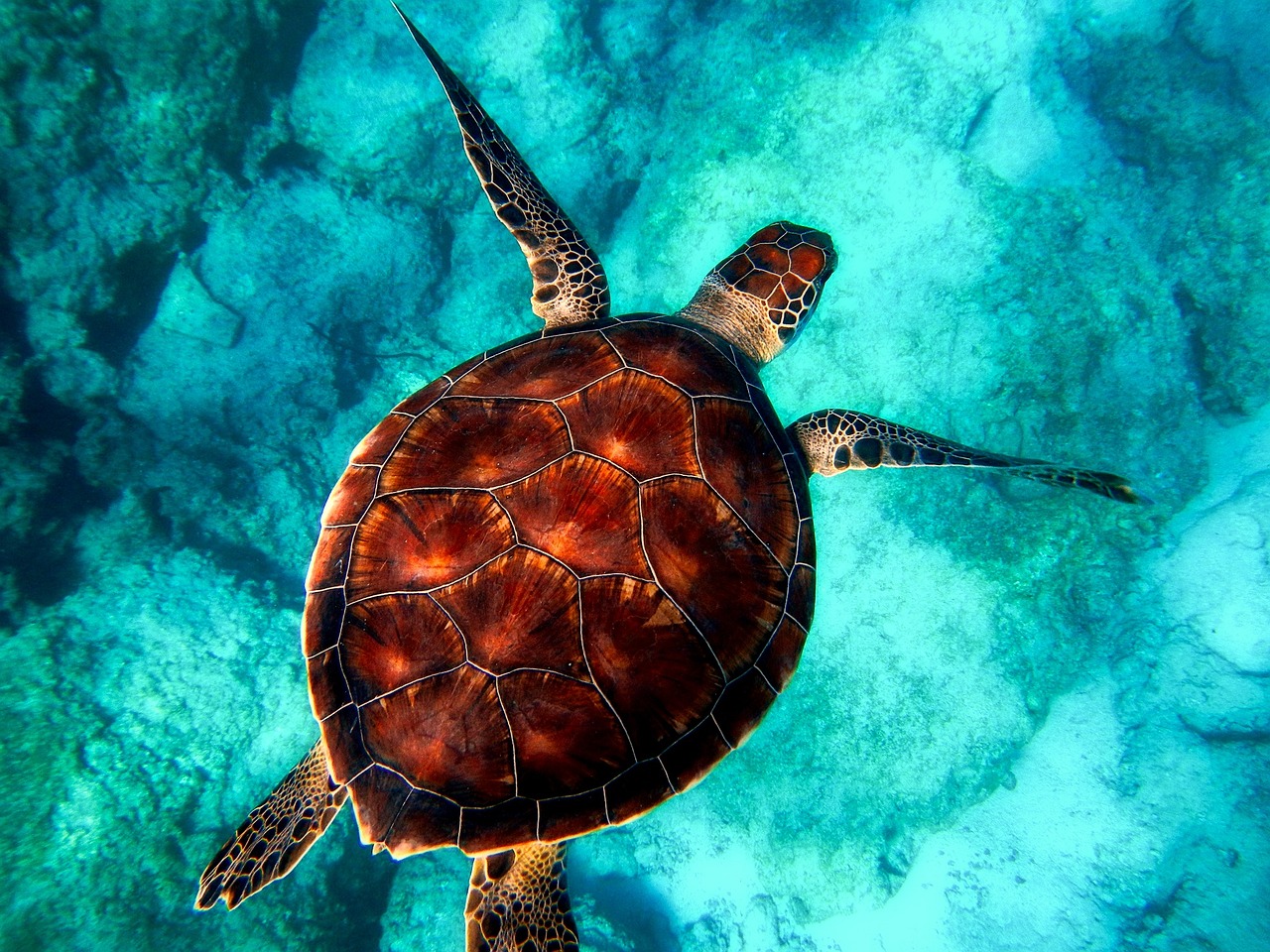
Sea turtles, whales, dolphins, seals, seabirds, fish and coral reef animals are threatened by plastic pollution through ingestion, entanglement, microplastics and habitat contamination. This answer supports WARN’s marine content by turning a broad environmental search into animal-specific welfare impacts. Turtles can mistake plastic bags for jellyfish; seabirds may feed plastic fragments to chicks.
By WARN Research & Conservation TeamLast updated
This answer supports WARN’s marine content by turning a broad environmental search into animal-specific welfare impacts.
Quick facts
| High-risk groups | Sea turtles, seabirds, whales, dolphins, seals and fish |
|---|---|
| Main harms | Ingestion, entanglement, ghost gear and microplastic exposure |
| Rescue need | Debris removal, veterinary treatment and safe release |
| Prevention | Plastic reduction and better waste systems |
Key takeaways
- Sea turtles, seabirds and marine mammals are highly exposed.
- Ingestion and entanglement are major harm pathways.
- Lost fishing gear can keep killing after it is abandoned.
- Prevention and rescue capacity both matter.
Why this question matters
Plastic pollution is often discussed as a waste issue. For animals it is also an injury, starvation and entanglement issue.
The welfare-first answer
A sea turtle that swallows plastic or a seal trapped in fishing line needs individual rescue, but prevention must happen upstream.
What to do next
Reduce avoidable plastic, support clean-up that does not disturb wildlife and back rescue teams trained for marine animal care.
What WARN does
WARN links species facts to habitat and rescue needs so readers understand why individual animal care and landscape protection must work together.
Frequently asked questions
Why do turtles eat plastic?
What is ghost gear?
Can beach clean-ups help?
Sources & references
Original WARN research and writing. This page is written to answer a specific search question while linking readers to deeper welfare, rescue and conservation guidance.