Wildlife · Reptile facts
What is the difference between a frog and a toad?
"Toad" usually means bufonid frogs with drier, bumpier skin — all toads are frogs, not all frogs are toads.
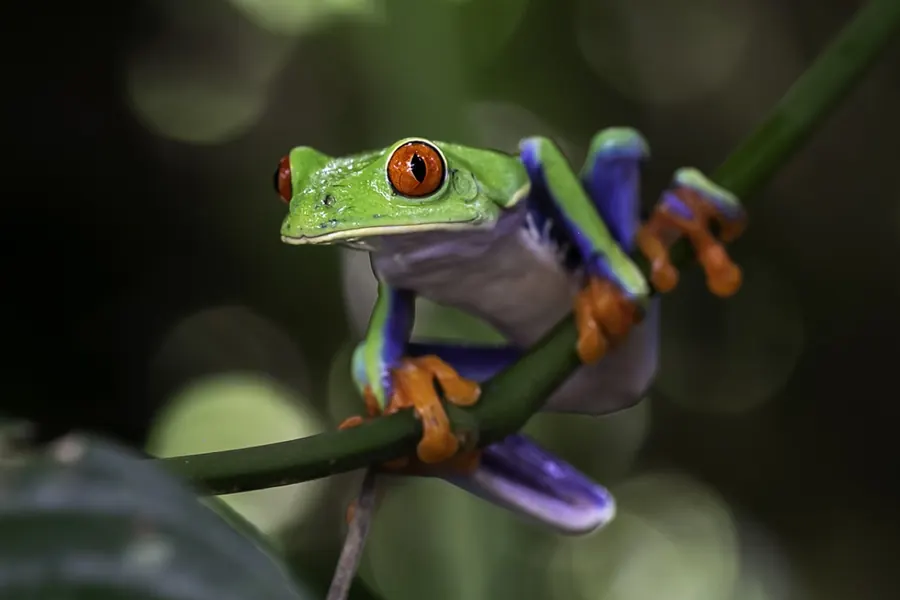
In brief
“Toad” usually means a frog in the family Bufonidae — typically drier, bumpier skin and shorter hops. “Frog” is the wider group; all toads are frogs, but not all frogs are toads. The distinction is informal, not a strict scientific split.
By the WARN Research & Conservation TeamChecked against IUCN Red List & CITES sourcesLast updated
Taxonomically toads are frogs in family Bufonidae — typically drier bumpy skin and shorter hops. Frog is informal for non-bufonids with smoother moist skin and longer leaps. Both need clean water to breed. Amphibians signal ecosystem health — declines from chytrid fungus, pesticides and wetland drainage threaten thousands of species.
7,000+
Amphibian species — mostly frogs
600+
Bufonid "toad" species approx.
40%
Amphibian species threatened (IUCN)
Chytrid
Fungal disease — global amphibian crashes
Quick facts
| Taxonomy | Toads = family Bufonidae within frogs (Anura) |
|---|---|
| Skin | Toads drier, bumpier; frogs often smoother and moist |
| Legs | Toads shorter hops; many frogs leap farther |
| Breeding | Both need water for eggs and tadpoles |
| Poison | Some toads secrete bufotoxins — dog hazard |
| Indicators | Amphibian decline signals wetland and disease stress |
Key takeaways
- Toads are bufonid frogs — informal label.
- Skin texture and hop style are field clues.
- Both need clean water to breed.
- 40% amphibians threatened — IUCN.
- Chytrid fungus caused global crashes.
- Wetland protection beats individual rescue.
Informal vs scientific labels
English “frog” and “toad” predated modern taxonomy — bufonids called toads regardless of phylogeny. Common frog Rana temporaria is true frog; common toad Bufo bufo is bufonid. Tree frogs and poison dart frogs are not toads despite names. Scientific communication uses family names — public guides use informal labels with caveats. Children learn difference by skin texture and movement — workable field clues not rigid rules.
Skin and water balance
Toads tolerate drier microhabitats — more keratinised skin reduces evaporation. Frogs often stay moister near ponds and streams. Both require freshwater pools for spawning — tadpole gills cannot survive polluted or temporary pools without rain timing. Pesticide runoff causes deformities documented in North American studies. Wetland drainage removes breeding habitat permanently — rescue of adults cannot replace spawning sites.
Chytrid and disease
Batrachochytrium dendrobatidis fungus caused global extinctions — harlequin frogs in Central America, gastric-brooding frogs Australia. Toads somewhat less susceptible in some regions but not immune. Trade moved fungus between continents — biosecurity now restricts amphibian export without testing. Climate change expands fungus favourable zones. Disease plus habitat loss synergise — populations collapse faster than either alone.
Conservation and habitat
Amphibian Survival Alliance and IUCN Amphibian Specialist Group coordinate priorities — habitat protection and disease research. Garden ponds help local frogs if pesticide free. WARN habitat appeal funds wetland and forest partners — amphibians benefit indirectly from orangutan forest and watershed work. Frog vs toad distinction matters less than keeping clean breeding water — practical message for donors and landowners.