Wildlife · Reptile facts
What is the difference between a snake and a lizard?
Snakes are legless serpentes with no eyelids; lizards usually have legs, eyelids and shorter skulls — legless lizards exist too.
In brief
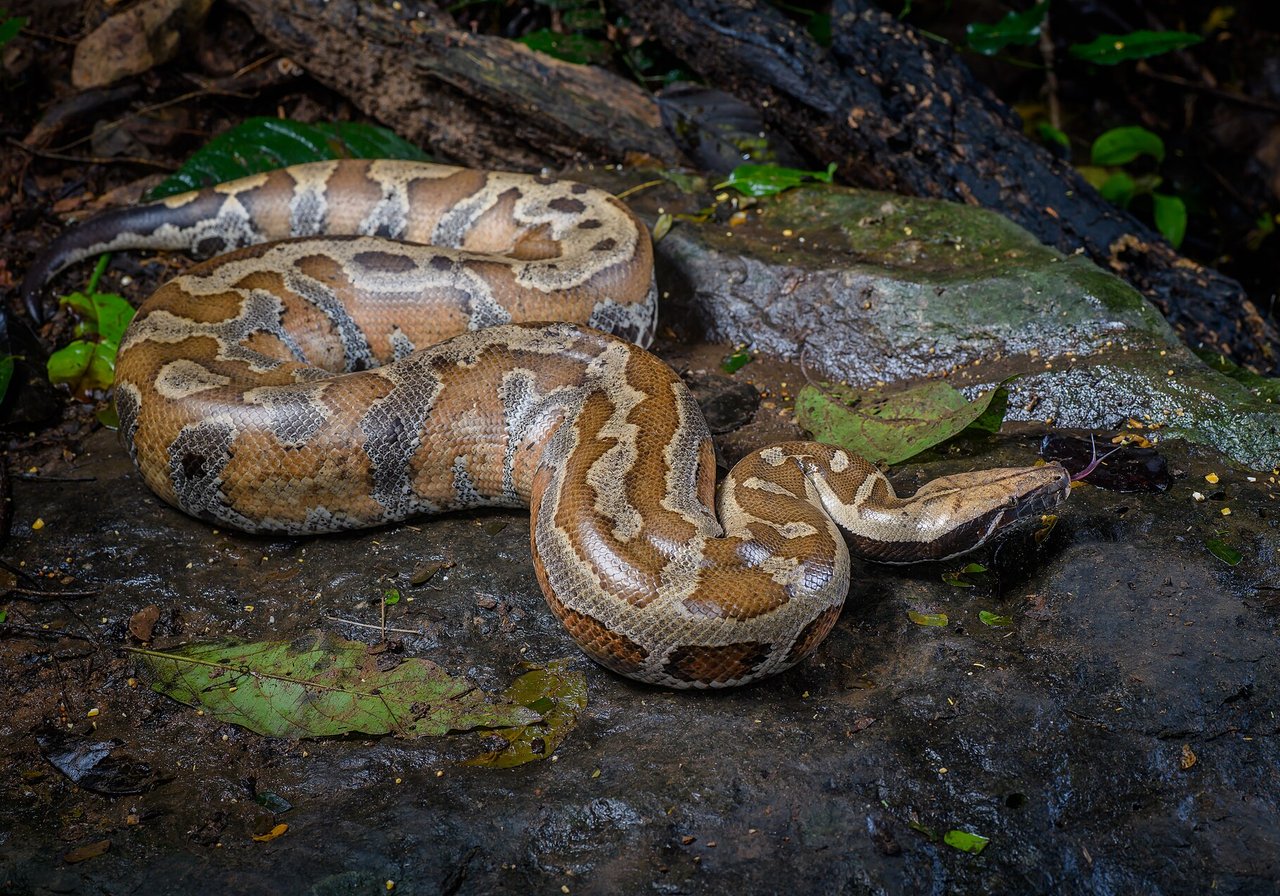
Snakes are legless reptiles in the suborder Serpentes; most lizards have four legs (though some legless lizards exist). Snakes lack eyelids and external ear openings; lizards usually have both. Jaw structure also differs — snakes can swallow prey much wider than their head.
By the WARN Research & Conservation TeamChecked against IUCN Red List & CITES sourcesLast updated
Snakes belong to suborder Serpentes — most lack legs, eyelids and external ears. Lizards (multiple families) usually have four legs, movable eyelids and can autotomize tails. Legless lizards like slow worms are lizards with eyelids — not snakes. Snakes swallow prey wider than head thanks to flexible jaws. Pet trade and skin fashion threaten many python and boa species under CITES.
3,900+
Snake species
6,000+
Lizard species
200–400
Vertebrae in snakes — elongated body
CITES
Many snakes Appendix I or II — trade regulated
Quick facts
| Snakes | No legs (usually), no eyelids, flexible jaws, forked tongue |
|---|---|
| Lizards | Usually four legs, eyelids, external ear openings |
| Legless lizards | Slow worm, glass lizard — eyelids present |
| Feeding | Snakes swallow large prey whole |
| Tongue | Snakes flick forked tongue to sample chemicals |
| Trade threat | Pet and skin trades — pythons, monitor lizards |
Key takeaways
- Snakes: no eyelids, flexible jaws, usually legless.
- Lizards: usually legs and eyelids — legless lizards exist.
- Check eyelids to separate legless lizard from snake.
- Snakes control rodents — ecological benefit.
- Pet and skin trades threaten many species.
- CITES regulates international snake trade.
Head and skull differences
Snakes lack eyelids — spectacles transparent scales cover eyes. Lizards blink with movable eyelids except geckos that lick eyes clean. Snakes lack external ear openings though they detect vibrations. Jaw quadrate bone allows snakes to gape enormously — left and right mandibles separate swallowing prey larger than head diameter. Legless lizards have shorter less mobile skulls — cannot swallow cattle-sized meals. Tongue flicking in snakes delivers scent particles to Jacobson's organ — chemical trail following.
Legless lizard confusion
Slow worms in Europe and glass lizards in Americas lost legs but retain eyelids and sometimes visible ear openings. Body scales differ — snakes have wide ventral scutes; legless lizards often resemble snakes until head examined closely. Autotomy — tail drop — common in lizards including legless; snakes cannot drop body same way. Misidentification affects fear response — legless lizard harmless in garden mistaken for snake and killed.
Ecological roles
Snakes control rodents — ecologically valuable in farms and forests when left undisturbed. Venomous species avoid humans when habitat intact. Constrictors regulate mammal populations in tropics. Lizards fill insectivore and herbivore niches — monitors apex in some islands. Both groups threatened by habitat loss and collection — python leather fashion and pet trade drive overharvest documented in CITES seizure reports.
Trafficking and pets
Ball pythons and corn snakes common captive bred — but wild collection persists for novelty morphs and species. Large pythons abandoned in Florida Everglades became invasive — lesson against releasing pets. WARN trafficking answers cover reporting illegal wildlife sales online. CITES Appendix I bans commercial export of many threatened snakes — buyers should demand proof of captive breeding.