Habitat
What is habitat loss?
Habitat loss destroys, fragments or degrades where species live — the leading driver of extinction worldwide.
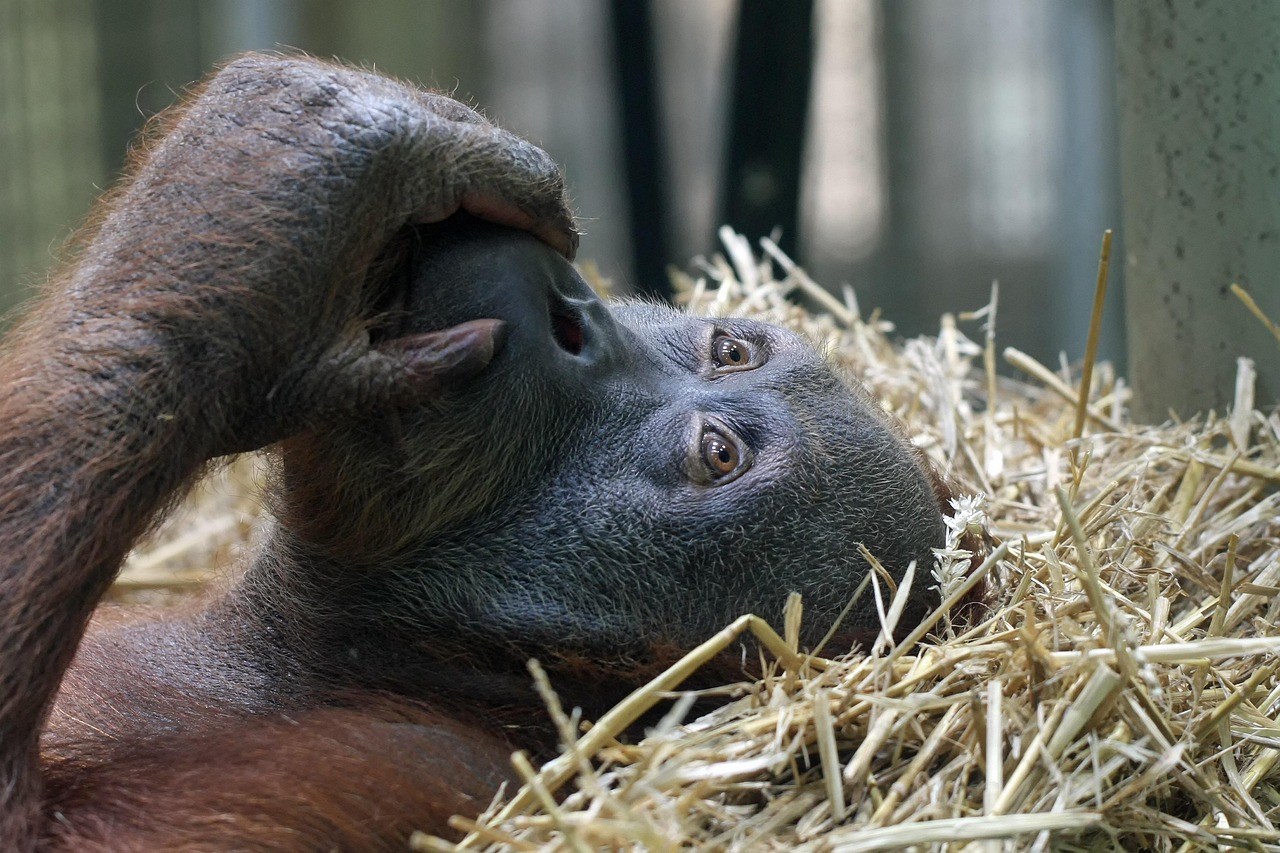
In brief
Habitat loss is the destruction, fragmentation or degradation of the places where wild species live, feed and breed — through deforestation, urban sprawl, agriculture, dams and pollution. It is a leading driver of extinction worldwide.
By the WARN Research & Conservation TeamChecked against IUCN Red List & CITES sourcesLast updated
Habitat loss removes forest, wetland and grassland through deforestation, agriculture, urban sprawl, dams and pollution. Fragmentation isolates populations — inbreeding and local extinction rise. IUCN cites habitat loss as primary threat to most terrestrial Red List species. Orangutans, tigers, elephants and pangolins lose ground to land conversion documented in WARN species guides. Protection, restoration and corridors address root cause; rescue treats symptoms.
#1
Habitat loss — leading extinction driver (IUCN)
10M ha
Forest loss globally per year (recent estimates)
Fragmentation
Isolates populations — genetic decline
IPBES
Global assessment — ecosystem transformation
Quick facts
| Forms | Clearing, fragmentation, degradation, pollution |
|---|---|
| Drivers | Agriculture, logging, mining, urban sprawl, dams |
| Fragmentation | Small patches cannot hold viable populations |
| Species hit | Orangutan, tiger, elephant, pangolin — WARN guides |
| Fixes | Protected areas, corridors, restoration, policy |
| Rescue limit | Cannot outpace deforestation at scale |
Key takeaways
- Leading extinction driver worldwide — IUCN.
- Clearing, fragmentation and degradation all count.
- Small fragments fail large mammals — corridors needed.
- Orangutan, tiger, elephant, pangolin — WARN examples.
- Protection and restoration beat rescue-only approaches.
- Habitat appeal funds verified partner field work.
Types of habitat loss
Outright clearing converts forest to palm oil, soy or cattle pasture — orangutan habitat loss in Borneo and Sumatra. Degradation leaves forest standing but emptied by logging and hunting — empty forest syndrome. Pollution makes wetlands unusable — acid mine drainage, pesticide runoff. Noise and light pollution displace nesting birds without removing trees. Dams flood river valleys — sturgeon and river dolphins Extinct in the Wild partly from damming. Each mechanism requires different policy response — moratorium on clearing, sustainable logging certification, pollution control, dam mitigation.
Fragmentation effects
Single large forest supports viable tiger and elephant populations — same area as fragments holds fewer breeders with edge effects and human conflict on boundaries. Gene flow stops — inbreeding depression in isolated puma and orangutan patches. Roads divide range — vehicle strike and poacher access increase. Corridors reconnect fragments — see wildlife corridor answer. Minimum viable population theory guides reserve size — small parks fail large mammals long term without connectivity.
WARN species examples
Orangutans lose nest trees to palm expansion — WARN palm oil answer links consumer supply chains. Tigers need large contiguous forest — snares on fragment edges. African elephants lose corridors to farmland — conflict intensifies. Pangolins lose leaf litter habitat to monoculture. Sea turtles lose nesting beaches to coastal development — separate marine habitat loss category. Habitat appeal funds partner forest and wetland purchase — structural fix WARN emphasises over orphan intake alone.
What donors can fund
Land purchase and easements — legal protection in perpetuity if governance holds. Community conservancies paying locals for intact forest. Restoration planting native species — not monoculture greenwash. Policy advocacy for deforestation moratoria. Rescue centres necessary for confiscated individuals but cannot replace hectares protected. WARN targets directing gifts to verified field partners with transparent land and patrol budgets — see habitat appeal and registration status for CIC honesty on where money goes.
What WARN does
WARN habitat appeal funds partner forest and wetland protection in tropical range countries — structural response to habitat loss.