Wildlife · Animal myth busters
Can sharks smell blood from miles away?
Sharks smell blood at tiny concentrations — but miles-away detection ignores currents, distance and dilution.
In brief
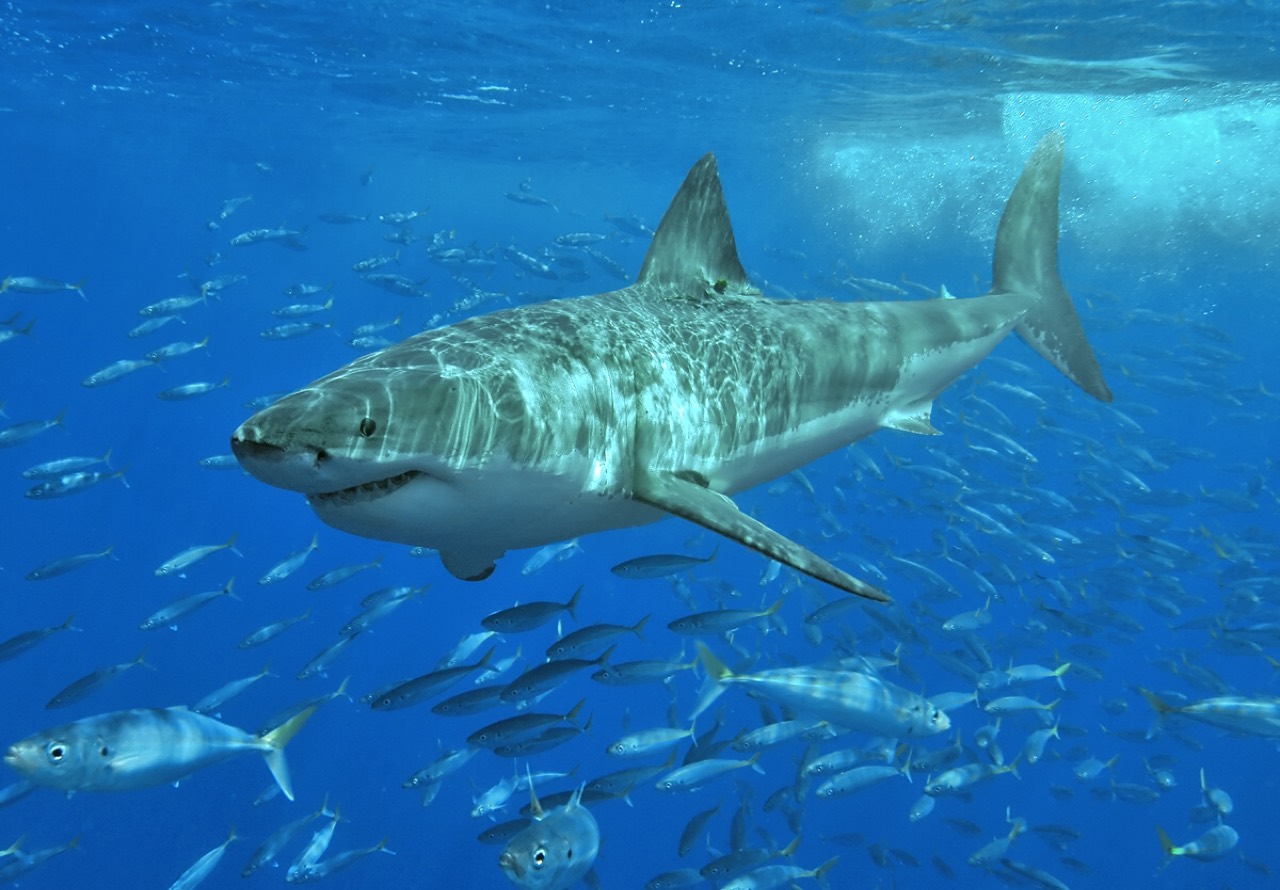
Sharks have an excellent sense of smell and can detect blood at very low concentrations in water — but “miles away” oversimplifies it. Current, distance and dilution matter enormously.
By the WARN Research & Conservation TeamChecked against IUCN Red List & CITES sourcesLast updated
Sharks possess large olfactory bulbs and can detect amino acids from blood and bodily fluids at parts per million or better — useful for finding injured prey in turbid water. Scent travels with currents; a shark upstream or kilometres away may never receive the signal. Movies exaggerate unlimited range for drama. Unprovoked shark bites on humans remain rare globally. Overfishing and finning are the real crises — about one-third of shark and ray species are threatened on the IUCN Red List.
500+
Living shark species
1/3
Assessed shark and ray species threatened (IUCN)
ppm
Blood detectable at parts per million in lab conditions
400M+
Years sharks have existed
Quick facts
| Sense of smell | Highly acute — detects amino acids and fish oils |
|---|---|
| Range myth | “Miles away” ignores dilution and water current direction |
| Human bites | Rare globally — millions swim yearly with few incidents |
| Real crisis | Finning, bycatch and overfishing — IUCN assessments |
| Olfactory bulbs | Large relative to brain — up to two-thirds in some species |
| Not all species | Detection thresholds vary by shark species and habitat |
Key takeaways
- Shark smell is acute but not unlimited “miles away” detection.
- Water current and dilution limit real-world scent plumes.
- Human shark bites are rare; overfishing kills millions of sharks yearly.
- About one-third of assessed shark and ray species are IUCN-threatened.
- Finning and bycatch — not beach blood — drive population crashes.
- Accurate myths correction supports proportionate safety and conservation.
How shark smell works
Water enters nostrils — nares — and passes over olfactory epithelium with millions of receptor cells. Sharks detect dilute chemical cues from wounded fish, mating pheromones and prey species-specific oils. Some species can distinguish prey types by scent alone in controlled experiments. Olfactory bulbs occupy a large fraction of brain mass in hammerheads and great whites. Smell complements hearing and lateral-line vibration sense — sharks use multisensory hunting, not smell alone. In clear open water vision matters at short range; smell dominates when visibility drops near seabed or in murky estuaries where many species feed.
Why “miles away” is misleading
Chemical diffusion in moving water dilutes scent plumes rapidly. A blood drop in surf disperses with waves and tidal flow — concentration drops below detection threshold within distances far shorter than “miles” in most conditions. Current direction matters: sharks downstream of a source detect scent sooner than sharks upstream. Depth stratification traps layers — surface blood may not reach bottom-dwelling species. Hollywood treats shark smell as supernatural radar; fluid dynamics treat it as a plume that spreads, shears and fades. Beach panic from cut fingers is disproportionate to actual bite statistics published annually by the Florida Museum International Shark Attack File.
Human bites vs shark conservation
Global unprovoked shark bites number dozens yearly against hundreds of millions of ocean visits. Most species do not target humans as prey — bites are often investigatory or mistaken identity in turbid water. Conversely, humans kill an estimated 100 million sharks annually — mostly for fins and meat. IUCN data show roughly one-third of assessed shark and ray species threatened or Near Threatened. Finning — cutting fins and discarding bodies — persists despite bans in many jurisdictions. Bycatch in tuna and swordfish longlines kills millions more. Fear from smell myths distracts from policy fixes: gear modification, catch limits and enforcement.
Connecting to other shark myths
WARN’s shark answers cover swimming-to-breathe myths and smell exaggeration together because both frame sharks as cartoon monsters rather than threatened predators. Accurate biology supports proportionate beach safety — avoid murky water at dawn, do not fish with blood bait near swimmers — without demonising species essential to ocean food webs. Sharks regulate mesopredator fish populations; their removal triggers ecosystem cascades documented on coral reefs and temperate coasts. Donor and voter attention directed at finning enforcement and marine protected areas protects sharks more than fear-based culling programmes after bite incidents.