Conservation · Why species are endangered
Why are tigers endangered?
Fewer than 4,000 wild tigers remain — poaching, habitat loss and human conflict drive all subspecies toward extinction.
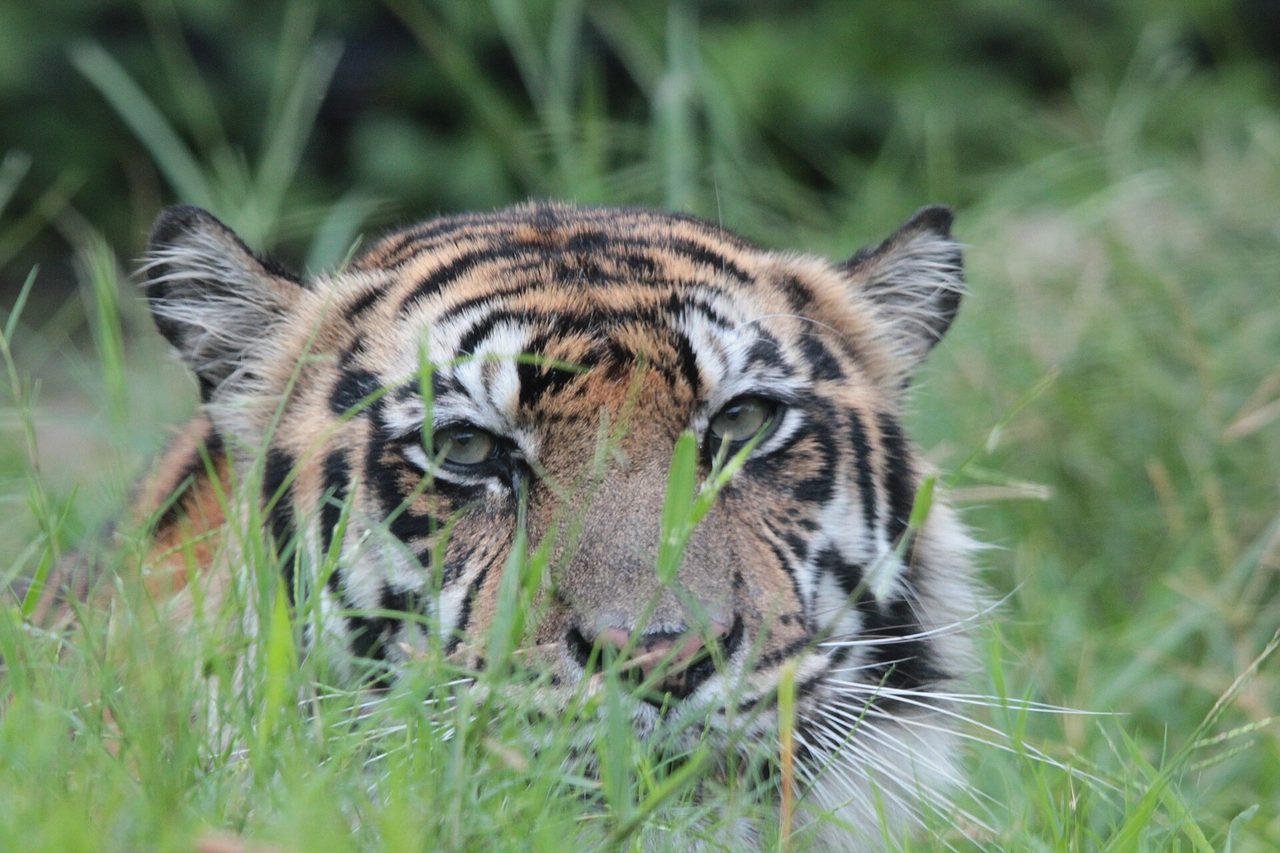
In brief
Tigers are Endangered on the IUCN Red List — fewer than 4,000 remain in the wild. Habitat loss, poaching for skins and body parts, and conflict with people as forests shrink are the main drivers. All surviving subspecies are threatened.
By the WARN Research & Conservation TeamChecked against IUCN Red List & CITES sourcesLast updated
The tiger (Panthera tigris) is Endangered on the IUCN Red List. Once ranging from Turkey to eastern Russia, tigers now occupy roughly 5% of historic range in fragmented forests across South and Southeast Asia and the Russian Far East. Poaching supplies illegal trade in skins and body parts; palm-oil and pulpwood conversion erodes Sumatran habitat; prey depletion and retaliatory killing after livestock loss add mortality. Recovery is possible where protected areas connect and communities benefit from conservation — but every subspecies needs sustained ranger funding, not one-off campaigns.
<4,000
Wild tigers remaining globally
5%
Approximate share of historic range still occupied
Endangered
IUCN Red List status for Panthera tigris
6
Living subspecies — all threatened
Quick facts
| IUCN status | Endangered — population declining |
|---|---|
| Main threats | Poaching, habitat loss, prey depletion, human conflict |
| Trade | Skins and body parts routed through transnational wildlife crime networks |
| Range | India, Bangladesh, Nepal, Bhutan, Russia, China, Southeast Asia |
| Recovery example | India’s tiger reserves — numbers rose with patrol investment |
| CITES | Appendix I — commercial international trade prohibited |
Key takeaways
- Fewer than 4,000 wild tigers remain — all subspecies threatened.
- Poaching for skins and parts feeds transnational illegal wildlife trade.
- Habitat fragmentation increases conflict and reduces genetic diversity.
- India’s recovery shows long-term ranger funding works.
- CITES Appendix I bans commercial international tiger trade.
- Community benefit-sharing and conflict management underpin stable coexistence.
Poaching and illegal trade
Tiger skins, bones and other parts command high prices on black markets — often through the same syndicates moving rhino horn and pangolin scales. Poachers use snares, poison and firearms inside and outside protected areas. Weak enforcement, corruption and porous borders allow shipments to reach consumer markets despite CITES Appendix I protection banning commercial international trade. Anti-poaching patrols, intelligence-led enforcement and demand-reduction campaigns in consumer countries all matter. Seizure data from CITES annual reports show tigers remain a trafficking priority — every confiscation represents a failed poaching attempt but also evidence that trade persists.
Habitat loss and fragmentation
Lowland forest conversion for palm oil, pulpwood, agriculture and infrastructure isolates tiger populations. Isolated groups lose genetic diversity and face higher extinction risk from disease or random events. Sumatran tigers are Critically Endangered — their island habitat shrinks annually. In India and Nepal, corridor protection linking reserves allows gene flow and reduces human–tiger conflict at reserve edges. Road-building through core forest increases access for poachers and vehicle strikes. Protected-area expansion alone is insufficient without connectivity planning and land-use regulation outside park boundaries.
Human–tiger conflict
When prey species decline or habitat borders farms, tigers may kill livestock — triggering retaliatory poisoning or shooting. Compensation schemes and rapid-response teams reduce revenge killing where implemented. Community benefit-sharing from ecotourism — as in some Indian reserves — demonstrates tigers can generate local income when governance is transparent. Education on safe livestock husbandry — sturdier pens, guard animals, avoiding grazing inside reserves — reduces conflict incidents. Conflict management is as important as anti-poaching for population stability near human settlements.
What recovery requires
India’s Project Tiger showed population recovery is achievable with long-term ranger salaries, prey restoration and political will. Russia’s Amur tiger population stabilised after Soviet-era protection expanded. Success needs decades of funding — not single-year grants. Genetic monitoring, fire management, waterhole maintenance and veterinary response for injured animals all cost money. Donors should ask programmes for patrol kilometres covered, poaching arrests and population trend data — not just awareness metrics. WARN cites tiger status on wildlife guides and links habitat appeals where partner programmes overlap range countries.