Conservation
What is a biome?
A biome is a large-scale ecological zone shaped by climate, vegetation and the species adapted to live there.
In brief
A biome is a large-scale ecological zone defined by climate, vegetation and typical species — such as tropical rainforest, savanna, desert or tundra. Animals evolve adaptations suited to their biome.
By the WARN Research & Conservation TeamChecked against IUCN Red List & CITES sourcesLast updated
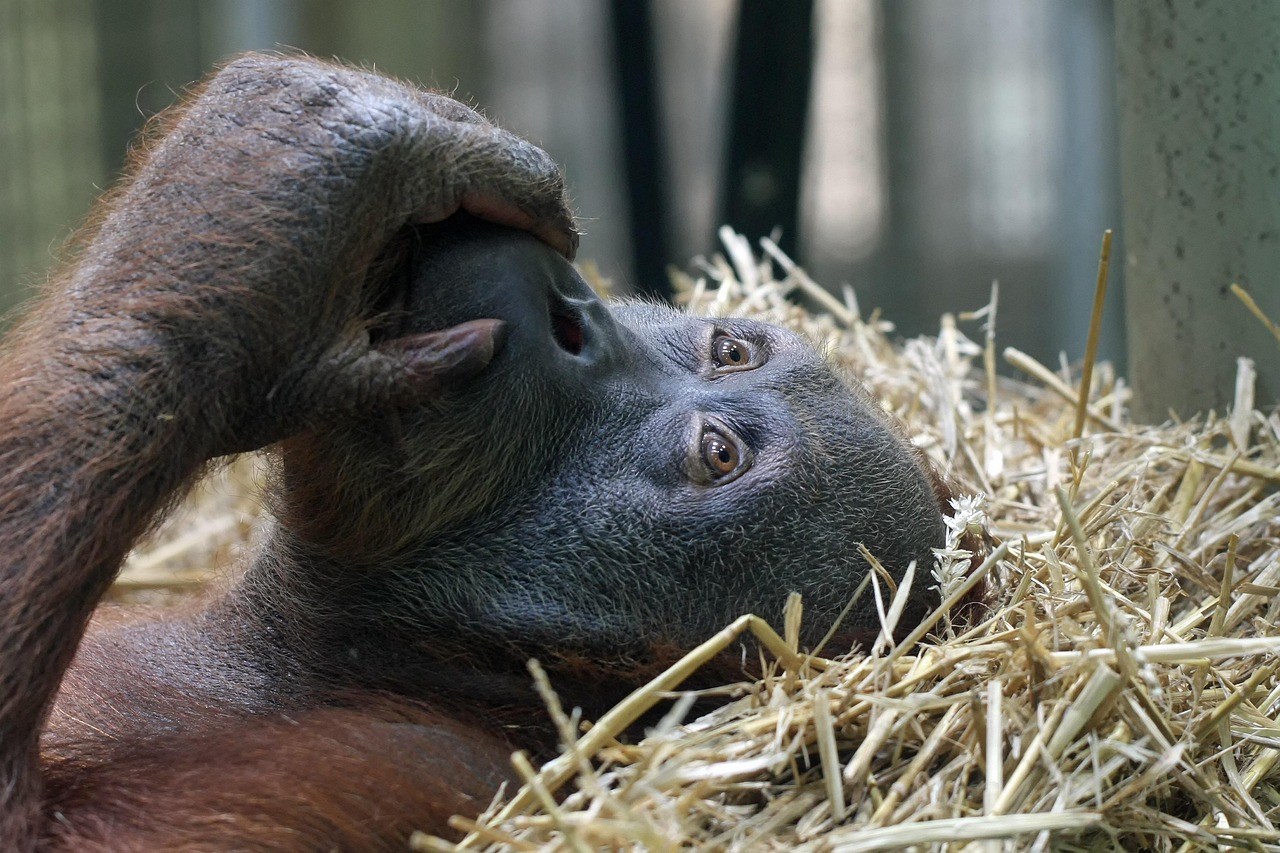
Biomes are major habitat types defined primarily by climate and dominant vegetation — tropical rainforest, savanna, desert, temperate forest, tundra and others. Animals evolve physical and behavioural adaptations suited to their biome: orangutans for rainforest canopy, lions for savanna grassland, polar bears for Arctic sea ice. WARN’s partner network spans tropical rainforest, savanna and coastal marine zones across South Asia, Southeast Asia, East Africa, Southern Africa and South America — each with distinct rescue challenges.
8
Major terrestrial biomes commonly recognised
17
Countries in WARN’s partner network
50%
Bornean orangutan habitat lost — rainforest biome
70%
Earth’s surface covered by ocean — marine biome
Quick facts
| Definition | Large-scale ecological zone defined by climate, vegetation and typical species |
|---|---|
| Examples | Tropical rainforest, savanna, desert, tundra, temperate forest, coral reef |
| Climate driver | Temperature and precipitation patterns shape biome boundaries |
| Adaptations | Species evolve traits suited to biome conditions over generations |
| Threats | Deforestation, climate change, pollution — vary by biome type |
| Conservation | Protecting biomes preserves the habitat matrix many species share |
Key takeaways
- Biomes are large ecological zones shaped by climate and vegetation.
- Major types: rainforest, savanna, desert, tundra, temperate forest, marine.
- Species evolve adaptations suited to their biome over generations.
- Biome conversion — deforestation, farmland expansion — causes mass habitat loss.
- WARN’s network spans rainforest, savanna and marine biomes across 17 countries.
- Protecting biomes preserves the habitat matrix many species share.
Major terrestrial biomes
Tropical rainforest — high rainfall, year-round warmth, extreme biodiversity — covers equatorial regions including Borneo, Amazonia and Congo Basin. Savanna — grassland with scattered trees and seasonal rainfall — dominates East and Southern Africa where elephants, lions and giraffes roam. Desert — extreme aridity — supports specialised reptiles and nocturnal mammals. Temperate forest — distinct seasons — covers much of Europe, eastern North America and parts of Asia. Tundra — cold, treeless — rings the Arctic. Each biome hosts species with matching adaptations: rainforest orangutans have long arms for canopy travel; savanna cheetahs have speed for open pursuit; desert fennec foxes have large ears for heat dissipation.
Freshwater and marine biomes
Aquatic systems are biomes too. Freshwater biomes include rivers, lakes and wetlands — home to river dolphins, hippos and countless fish species threatened by dams and pollution. Marine biomes span open ocean, continental shelves, coral reefs, kelp forests and deep sea. Coral reefs — biodiversity hotspots — face bleaching from warming seas. Open ocean supports sharks, tuna and whales facing bycatch and overfishing. Coastal zones where WARN partners work — Indonesia, Kenya, Sri Lanka — combine marine and terrestrial pressures: plastic pollution, trawling, mangrove clearance and coastal development simultaneously.
Biome loss and species extinction
When a biome is converted — rainforest to palm plantation, savanna to farmland, wetland to urban sprawl — every species adapted to that biome loses habitat simultaneously. Bornean orangutan decline tracks rainforest biome loss; African snaring crises concentrate in savanna-forest mosaics where bushmeat hunting supplies urban markets. Climate change shifts biome boundaries faster than species can migrate — alpine biomes shrink upslope; Arctic sea ice biome contracts poleward. IUCN assessments increasingly incorporate climate projections. Protecting individual charismatic species without protecting their biome fails long-term — a rescued orangutan needs forest to return to.
Rescue challenges by biome
WARN’s network spans biome types with different welfare priorities. Tropical rainforest partners face deforestation, snaring and primate trafficking. Savanna partners confront bushmeat poaching, snare bycatch of elephants and lions, and human–wildlife conflict. Urban and peri-urban zones in South Asia host street-dog CNVR programmes — a biome edge where free-roaming dogs interface with human communities. Marine partners address bycatch, turtle nesting-beach protection and plastic pollution. Donors targeting appeals by region fund biome-appropriate responses: orangutan habitat in Borneo, CNVR in Karachi, parrot rescue in Colombia.