Conservation
What is a food chain?
A food chain maps who eats whom in an ecosystem — remove one link and the whole system can destabilise.
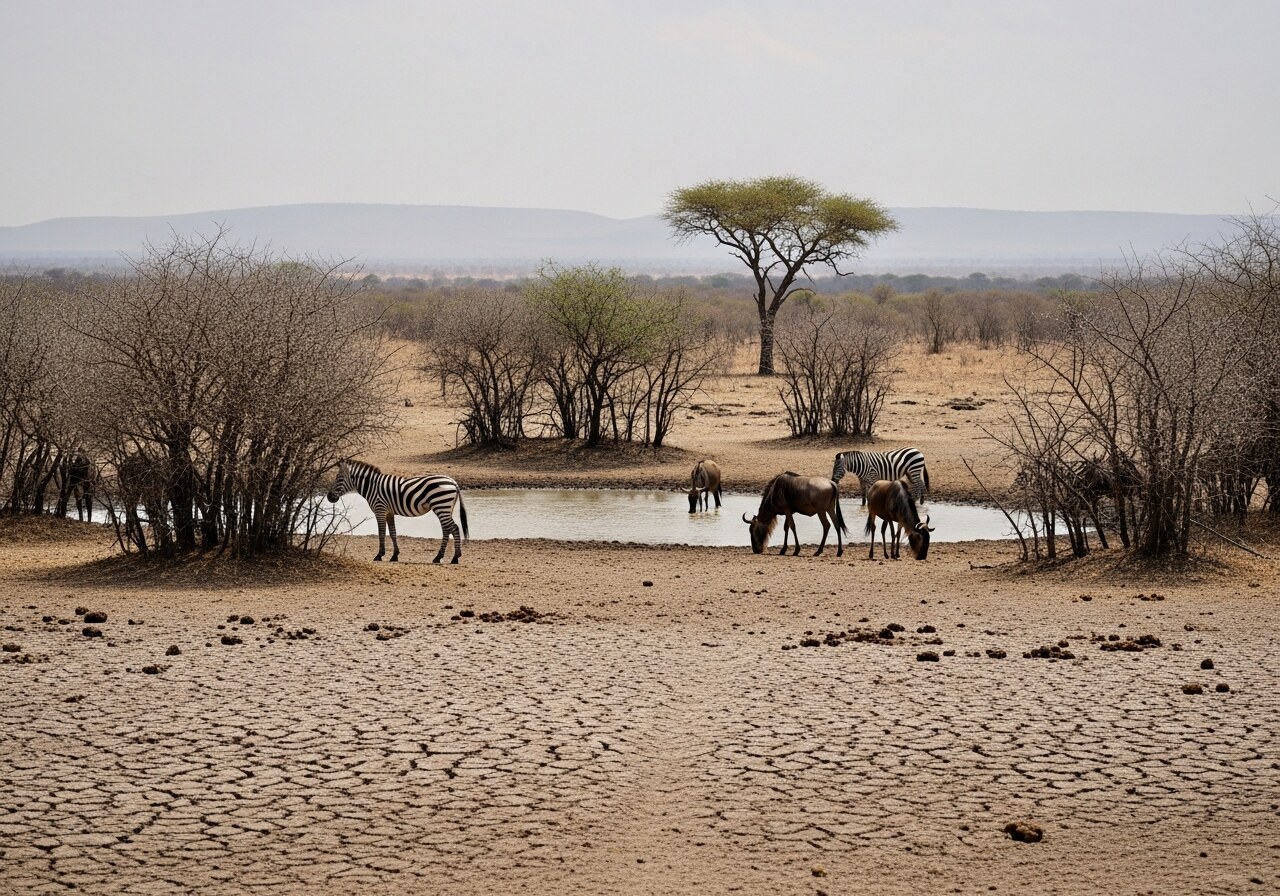
In brief
A food chain describes who eats whom in an ecosystem — for example, grass → zebra → lion. Energy flows from producers (plants) through consumers to apex predators and decomposers.
By the WARN Research & Conservation TeamChecked against IUCN Red List & CITES sourcesLast updated
A food chain describes the linear flow of energy from producers through consumers to decomposers — for example, grass → zebra → lion. Real ecosystems function as interconnected food webs with many overlapping chains, but the simple model explains why removing one species can cascade through others. Apex predators regulate prey populations; when they disappear, overgrazing or mesopredator release follows. Habitat loss and wildlife trafficking break these links faster than populations can recover.
10%
Typical energy transfer between trophic levels
4–5
Trophic levels in most terrestrial chains
1/3
Shark species threatened — apex marine predators
100×
Plants capture more energy than carnivores consume
Quick facts
| Producers | Plants and algae — convert sunlight to energy via photosynthesis |
|---|---|
| Primary consumers | Herbivores eating plants — zebras, deer, caterpillars |
| Secondary consumers | Carnivores eating herbivores — lions, hawks, frogs |
| Apex predators | Top of chain — sharks, eagles, big cats; few or no natural predators |
| Decomposers | Bacteria and fungi — recycle nutrients back to producers |
| Food web | Multiple interconnected chains — more realistic than a single chain |
Key takeaways
- Food chains show energy flow: producers → consumers → decomposers.
- Real ecosystems are food webs — many interconnected chains.
- Apex predators regulate prey and prevent overgrazing — trophic cascades when removed.
- Only ~10% of energy transfers between trophic levels.
- Trafficking and habitat loss break chains faster than populations recover.
- Conservation protects interactions and habitat — not only individual species.
Energy flow and trophic levels
Energy enters ecosystems through photosynthesis — plants and algae capture sunlight and store it as chemical energy. Herbivores (primary consumers) eat plants; carnivores (secondary and tertiary consumers) eat herbivores and other carnivores. At each transfer, roughly 90% of energy is lost as heat, movement and waste — only about 10% passes to the next level. This is why top predators are rare: a savanna supports far more grass biomass than lion biomass. Decomposers — bacteria, fungi, detritivores — break down dead organic matter, returning nutrients to soil for producers. The chain is a cycle when decomposers are included.
Apex predators as regulators
Apex predators — sharks, wolves, eagles, big cats — sit at the top with few natural enemies. They regulate prey populations, preventing overgrazing that would degrade habitat. When wolves were removed from Yellowstone, elk overgrazed riparian vegetation until wolf reintroduction restored balance — a classic trophic cascade documented by US National Park Service research. Removing sharks allows mesopredator fish to proliferate, altering reef community structure. IUCN data show many apex predators are threatened precisely because their small populations and slow reproduction make them vulnerable to hunting, bycatch and habitat loss.
Food webs vs simple chains
Real ecosystems are food webs — many interconnected chains. A robin eats worms, berries and insects; a fox eats rabbits, birds and fruit. Simplifying to one chain helps teaching but understates resilience and vulnerability. Removing one prey species may shift diet rather than collapse the predator — unless alternatives are also depleted. Invasive species add new links or disrupt existing ones. Pollinators connect plant reproduction to herbivore food supply — a service not captured in predator-focused chains. Conservation biologists model webs to predict cascade effects when species decline.
How trafficking and habitat loss break chains
Wildlife trafficking removes individuals faster than reproduction replaces them — pangolin loss reduces insect control; elephant loss reduces seed dispersal for trees that herbivores and other species depend on. Habitat fragmentation isolates populations, breaking chains geographically: a forest patch too small supports no apex predators, allowing herbivore population explosions that prevent tree regeneration. Pollution and climate change alter chain links — ocean acidification affects plankton that underpin entire marine food webs. Protecting a food chain means protecting the habitat matrix and species interactions, not only individual charismatic animals.