Conservation · Why species are endangered
Are macaws endangered?
Many macaw species are threatened — habitat loss and the illegal pet trade push several toward Critically Endangered; Spix’s macaw is Extinct in the Wild.
In brief
Many macaw species are threatened — from Vulnerable to Critically Endangered. The Spix’s macaw is Extinct in the Wild. Habitat loss, the illegal pet trade and smuggling for the aviculture market drive declines across Central and South America.
By the WARN Research & Conservation TeamChecked against IUCN Red List & CITES sourcesLast updated
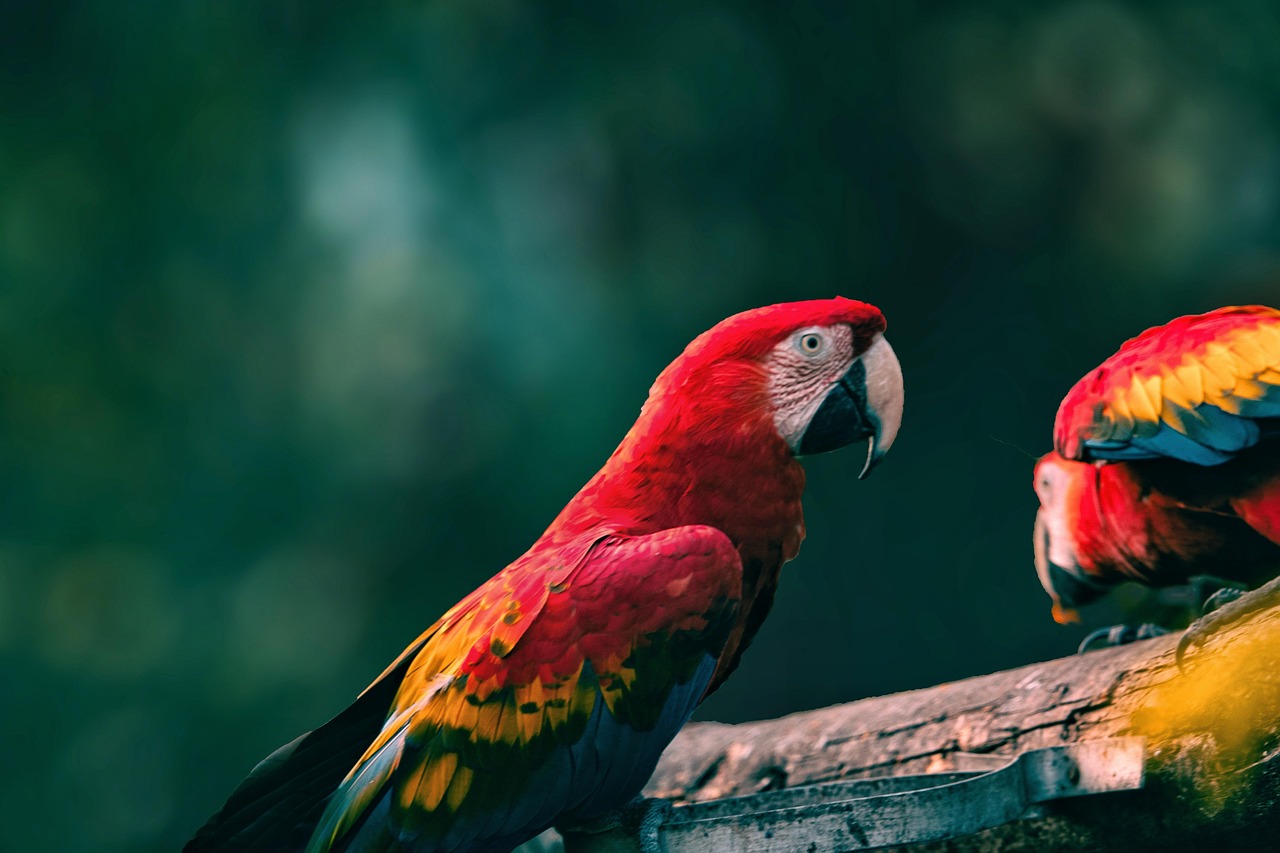
Macaws are large, long-lived parrots of Central and South America — icons of rainforest colour and intelligence. Many species are Vulnerable to Critically Endangered on the IUCN Red List. The Spix’s macaw — famous from animation — survives only in captivity after the last wild bird vanished in Brazil. Habitat loss in the Amazon and Atlantic Forest removes nesting cavities and food trees; the illegal pet trade cuts nest trees and removes chicks, often killing adults. Seized macaws need long-term sanctuary care — release is rarely immediate.
EW
Spix’s macaw — Extinct in the Wild
17+
Macaw species — many threatened
Appendix I
CITES for most threatened macaws
60+ yrs
Potential lifespan in captivity with proper care
Quick facts
| Spix’s macaw | Extinct in the Wild — reintroduction attempts ongoing in Brazil |
|---|---|
| Hyacinth macaw | Vulnerable — largest flying parrot, palm-nut specialist |
| Pet trade | Chicks removed from nests — adults often killed |
| Habitat | Amazon and Atlantic Forest — nesting cavities in old trees |
| Seizure care | Confiscated parrots need years of rehabilitation |
| Legal trade | Captive breeding can supply demand if laundering is prevented |
Key takeaways
- Many macaw species threatened — Spix’s macaw Extinct in the Wild.
- Illegal pet trade destroys nest sites and kills adult birds.
- Habitat loss removes food palms and nesting cavities.
- Confiscated macaws need years of rehabilitation or lifetime sanctuary.
- CITES Appendix I covers most threatened macaws.
- Reintroduction requires habitat restoration plus anti-trafficking enforcement.
The illegal pet trade
Macaws command high prices in legal and illegal pet markets. Trappers cut nest trees to reach chicks — destroying cavities reused for decades. Adults defending nests are shot or die from stress during capture. Chicks smuggled in tubes and boxes suffer high mortality. Online classified ads and social media marketplaces mask wild origin with stock photos and fake “home bred” claims. CITES Appendix I covers most threatened species — commercial international trade is banned — but laundering wild birds through fake captive-breeding documentation persists in some jurisdictions.
Spix’s macaw and Extinct in the Wild
Spix’s macaw was declared Extinct in the Wild after the last male disappeared in Brazil in 2000 — the species survives only in captive breeding programmes. Reintroduction attempts release captive-bred birds into restored habitat with intensive monitoring. Success requires habitat restoration, anti-trafficking enforcement and predator management — not just breeding numbers. Spix’s story illustrates that captive insurance populations cannot replace wild habitat. WARN’s Extinct in the Wild collection explains this IUCN category and links to reintroduction context for donors evaluating breeding programmes.
Habitat loss
Macaws depend on specific palm and fruit trees — hyacinth macaws need Attalea palms whose nuts only strong beaks crack. Deforestation for cattle, soy and logging removes food and nest sites simultaneously. Monoculture plantations offer no substitute diet. Large macaws need old-growth trees with suitable cavities — secondary forest lacks nesting infrastructure for decades after clearance. Protected areas help where enforced, but macaws range widely and leave park boundaries daily — making landscape-level habitat policy essential.
Rescue and sanctuary needs
Confiscated macaws often arrive feather-damaged, malnourished and behaviourally compromised — unable to fly or forage. Rehabilitation takes years; release requires suitable habitat with food trees and minimal poaching risk. Many seized birds need lifetime sanctuary when release criteria cannot be met — a decades-long funding commitment. WARN parrot appeals fund seizure-response veterinary care and sanctuary upgrades through partners in Brazil and Colombia — transparent budgets for food, enclosures and staff.
What WARN does
WARN parrot appeals fund seizure-response veterinary care, sanctuary enclosures and anti-trafficking patrol support through partners in Brazil and Colombia — with transparent food and staff budgets.