Wildlife
What is the difference between venomous and poisonous?
Venomous injects toxin by bite or sting; poisonous is toxic if eaten or touched — different first aid, different ecology.
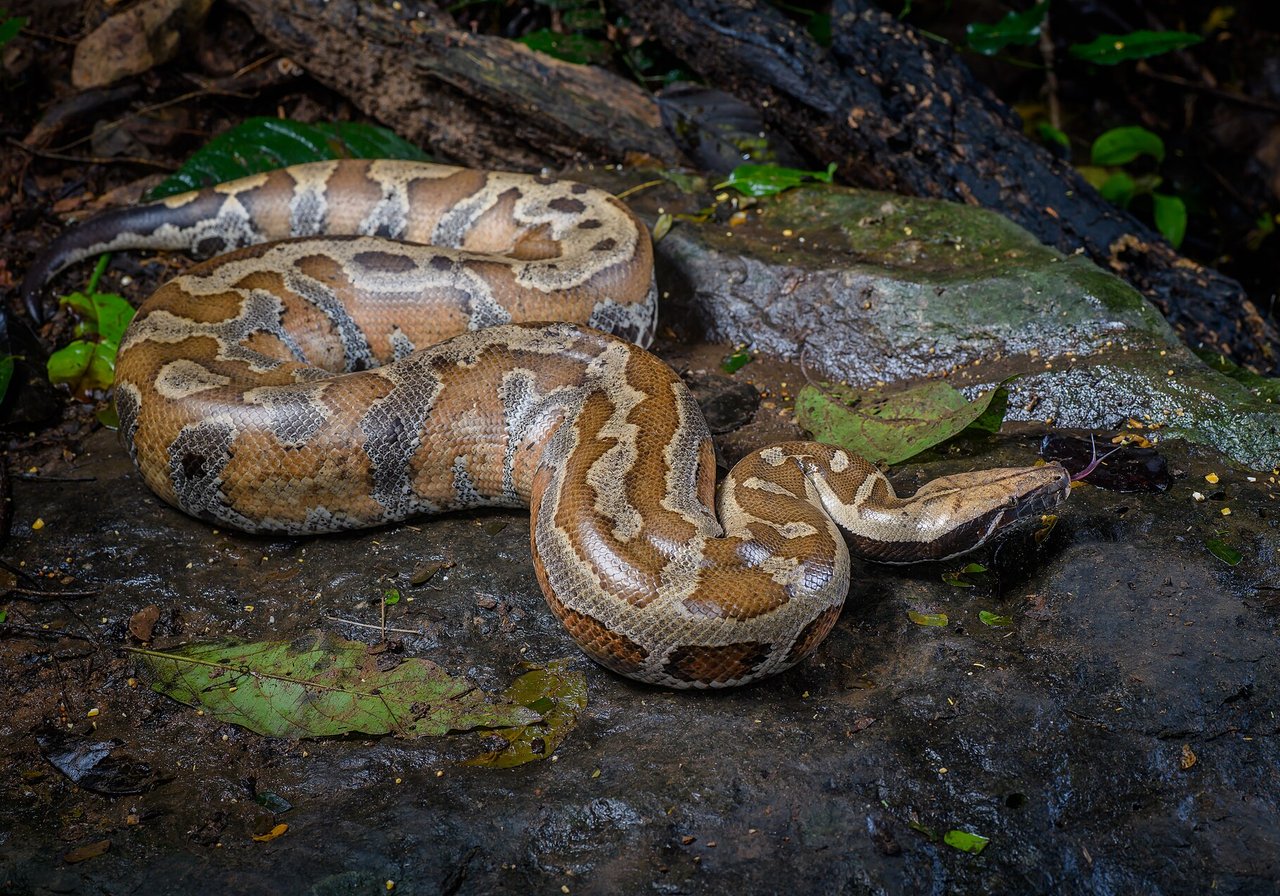
In brief
Venomous animals inject toxins by bite or sting — snakes, spiders, wasps. Poisonous animals are toxic if eaten or touched — poison dart frogs, pufferfish. Venom is active delivery; poison is passive defence.
By the WARN Research & Conservation TeamChecked against IUCN Red List & CITES sourcesLast updated
Venomous animals actively deliver toxin through fangs, stingers or spines — snakes, spiders, wasps, stingrays. Poisonous animals carry toxin in tissues — dangerous when ingested or touched — poison dart frogs, pufferfish, monarch caterpillars sequestering milkweed. Media saying “poisonous snake” is usually wrong — snakes are venomous. Correct terms matter for medicine and education.
600+
Venomous snake species
81,000
Human snakebite deaths estimated yearly (WHO)
400,000
Amputations/disability from snakebite (WHO est.)
Both
Chemical defence strategies — convergent evolution
Quick facts
| Venomous | Active injection — bite, sting, spine |
|---|---|
| Poisonous | Passive toxin — eat or touch danger |
| Snakes | Venomous — not poisonous (almost always) |
| Dart frogs | Poisonous skin alkaloids — don’t touch wild |
| First aid | Venomous bite — hospital; poison touch — wash hands |
| Ecology | Snakes control rodents — venom serves hunting |
Key takeaways
- Venomous — active injection via bite or sting.
- Poisonous — toxic if ingested or touched.
- Snakes venomous not poisonous — word choice matters.
- WHO snakebite — major neglected health crisis.
- Snakes ecologically valuable rodent controllers.
- Monarch caterpillars poisonous not venomous — sequestered toxins.
Definitions and examples
Venom apparatus evolved many times — snake fangs, spider chelicerae, bee stinger modified ovipositor, stonefish spines. Poisonous animals store toxin from diet or synthesis — pufferfish tetrodotoxin, newt skin, some caterpillars. Gila monster and beaded lizard venomous lizards rare exceptions. “If it bites you and you die it’s venomous; if you bite it and you die it’s poisonous” — crude mnemonic oversimplifies but helps classrooms.
Medical and public health
WHO snakebite envenoming neglected tropical disease — antivenom access saves limbs and lives where health systems stock appropriate sera. Broad tourniquets and cutting wound deprecated — pressure immobilisation for neurotoxic and some haemotoxic snakes per regional guidelines. Poisonous plant and frog exposure rare in cities — mushroom foraging poisonings separate issue. Accurate terminology routes emergency response correctly.
Conservation of venomous species
Snakes killed out of fear despite rodent control service — persecution reduces biodiversity. Venom research yields drug leads — ACE inhibitors from snake venom history. Habitat loss kills more snakes than intentional killing — see snake vs lizard answer. Fear from terminology confusion fuels unnecessary culling — education protects ecosystems and humans.
Monarch and milkweed example
Monarch caterpillars eat milkweed storing cardiac glycosides — birds vomit after eating toxic butterfly — poisonous not venomous. Coevolution arms race — orange colour advertises toxicity. Analogous sequestration in poison dart frogs from ant diet in rainforest — habitat loss threatens both frogs and snakes in WARN network tropical regions.