US donors · Choosing where to give

UK donor? Read the UK version of this guide.

Best Animal Charities to Donate To — US Guide

Honest US guide to choosing animal welfare charities to donate to — what to look for, local versus international giving, and where WARN fits as a global not-for-profit CIC funding partner-led rescue abroad.

Choosing animal welfare charities to donate to — local shelters versus international partner-led rescue

In brief

The best animal charities to donate to match your goal — local US shelters and humane societies for rehoming near you, US 501(c)(3) organisations if tax deduction matters, or transparent international grant-makers like WARN if you want partner-led CNVR and wildlife rescue across 17 countries abroad (WARN is a UK CIC global not-for-profit, not a US 501(c)(3) and not tax-deductible).

17

WARN partner countries

80%

Programme funding target

No

US tax deduction

CIC

UK legal form

Guide 1

Local Versus International Animal Welfare Giving

If you searched "best animal charities to donate to" because you want to help animals near you, start with your local shelter or humane society for adoption, volunteering and direct supply donations. If your goal is street dogs in Pakistan, orangutans in Borneo or pangolins in Malaysia, international grant-makers like WARN route US gifts to vetted partners abroad.

Guide 2

What to Look for in Any Animal Welfare Charity

Transparent registration, published accounts, clear programme descriptions, honest scope about what donations fund, and proportion of income reaching frontline work. WARN publishes legal identity at registration status, programme targets at where your money goes and FAQ at faq — without claiming 501(c)(3) status it does not hold.

Guide 3

US 501(c)(3) Versus Global Not-for-Profit

Many US donors choose registered 501(c)(3) organisations for tax-deductible giving and local rehoming. Others choose WARN for species-specific international programmes — street dog CNVR, wildlife anti-trafficking, working equines — where partner-led delivery abroad is the priority and transparent field impact matters more than tax relief.

Guide 4

Dog, Cat and Wildlife Programme Areas at WARN

Street dog CNVR at Karachi street dogs appeal. Community cats and meat-trade rescue at dog and cat meat trade appeal. Wildlife through pangolin appeal, tiger appeal, gorilla appeal and orangutan appeal. Working equines at working donkeys appeal. Browse countries for programme context across the 17-country network.

Guide 5

Monthly Versus One-Off for Animal Welfare Donations

Sustained programmes — CNVR over three to five years, orangutan forest school, mobile donkey clinics — need predictable income. Monthly giving at monthly giving or symbolic adoption at symbolic adoption from $5/month builds that base. One-off gifts suit urgent appeals at donate.

Guide 6

Where WARN Honestly Fits — and Does Not

WARN is not a local US shelter, not US tax-deductible, and not the right choice if you want to adopt a pet in your zip code this week. WARN is a strong fit if you want transparent partner grants for international rescue — CNVR, anti-trafficking triage, habitat-linked species work — with full payment receipts and honest registration answers.

Guide 7

Combining Local and International Giving

Many US donors support a local humane society for rehoming and WARN for international programmes. Both routes are valid. Read donate to animal shelter for an honest framework on when each path fits.

Guide 8

Evaluating International Animal Charities from the US

Ask whether the organisation runs its own facilities or grants to local partners, whether registration claims match reality, and whether the model addresses population scale. WARN is partner-grant only across 17 countries — not WARN-branded sanctuaries abroad. See international animal charity donation for depth.

Guide 9

Why US Donors Choose WARN — Transparent Partner Grants

WARN is a UK Community Interest Company global not-for-profit — not a US 501(c)(3). US donations are not tax-deductible; you receive a payment receipt for your records. WARN is a registered UK Community Interest Company (Company no. 17298990) and is not a charity, so it cannot claim Gift Aid. The donation case is transparent partner-led welfare where support reaches practical field needs. Gifts fund WARN's 17-country partner network across South Asia, Southeast Asia, East Africa, Southern Africa and South America through vetted local partners — not WARN-run sanctuaries. Give in USD at donate or monthly at monthly giving.

Guide 10

What Your USD Gift Buys on the Ground

Roughly $20–30 funds one street dog through catch, neuter, rabies vaccination and return where partner clinics operate. $125 supports a small clinic day. $600 helps stock quarantine after a trafficking seizure. Monthly gifts let partners plan multi-year programmes instead of crisis-only response.

Guide 11

Monthly Versus One-Off from the United States

One-off gifts suit urgent appeals at donate. Monthly at monthly giving or symbolic adoption at symbolic adoption builds predictable income for vaccination rounds and rehabilitation. Checkout accepts USD; neither route implies ownership of an individual animal.

Guide 12

Evaluating Animal Charities as a US Donor

Ask about registration transparency, programme targets and whether tax-deductibility claims are honest. WARN is a UK CIC — not a US 501(c)(3). UK counterpart: animal welfare charities donate.

Explore Related Rescue Work

Wildlife guide

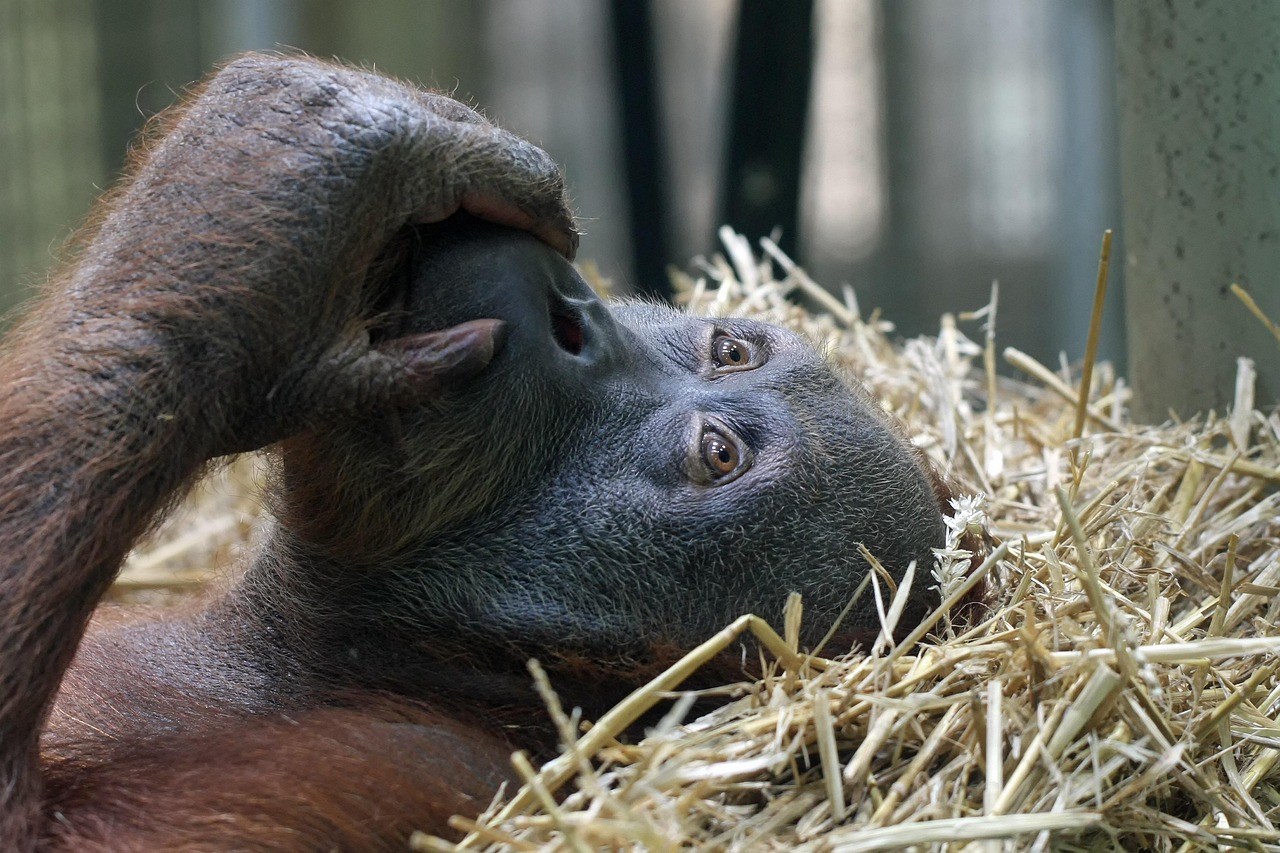
Orangutan

Orangutans are Critically Endangered great apes found only in Borneo and Sumatra; all three species — Bornean, Sumatran, and Tapanuli — face extinction driven mainly by habitat loss from palm oil and logging, plus the illegal pet trade.

Wildlife guide

Street Dog

An estimated 200 million street dogs live worldwide; they are the same species as pet dogs (Canis lupus familiaris), and WHO-endorsed Catch-Neuter-Vaccinate-Return programmes are the proven humane way to reduce their numbers and control rabies, whereas culling does not work.

Wildlife guide

Tiger

A tiger (Panthera tigris) is the largest living cat species, a striped, solitary carnivore native to Asia; the Sumatran tiger of Indonesia and the Malayan tiger of Malaysia are two of the most endangered surviving populations, both listed as Critically Endangered.

Country programme

Indonesia

Indonesia is a Southeast Asian archipelago of more than 17,000 islands, home to Bornean and Sumatran orangutans, Sumatran tigers, Javan and Sumatran rhinos, the Komodo dragon and the sun bear; its wildlife is under sustained pressure from palm-oil and pulpwood deforestation, the illegal pet trade, and one of the world's largest contributions to marine plastic.

Country programme

Malaysia

Malaysia is a Southeast Asian range state for Bornean orangutans (Sabah), sun bears, Sunda pangolins, clouded leopards and the Malayan tiger; it is a top-tier transit country for trafficked wildlife, with Kuala Lumpur's airports and the Port Klang container hub repeatedly identified by UNODC as wildlife-crime chokepoints.

Country programme

Pakistan

Pakistan is a South Asian country where WARN's planned work focuses on humane street-dog management in Karachi and Lahore through catch-neuter-vaccinate-release clinics, mobile working-equine clinics in industrial districts, and supporting partner work on the snow leopard in the country's high north.

Country programme

Kenya

Kenya is an East African country where WARN's planned work focuses on snare-removal patrols and rapid-response veterinary darting in the Tsavo and Maasai Mara ecosystems, sea-turtle triage on the Indian Ocean coast, and supporting partner work on lion, elephant, rhino, cheetah and African wild dog welfare.

Source Notes

WARN uses named intergovernmental, conservation and animal-welfare sources for numeric claims. These notes summarise the source basis for this page.

WARN registration status

Legal identity and UK CIC registration at registration status.

WHO rabies guidance

Mass dog vaccination is the proven public-health route — supports CNVR funding case.

Best Animal Charities to Donate To — US Guide: Frequently Asked Questions

What are the best animal charities to donate to in the US?
It depends on your goal — local shelters for rehoming near you; 501(c)(3) organisations if tax deduction matters; WARN for transparent international partner-led rescue abroad.
Is WARN one of the best animal charities to donate to?
WARN is a strong fit for international rescue donations — CNVR, wildlife, working equines — but not for local US pet adoption or tax-deductible giving. Honest scope matters.
Are WARN donations US tax-deductible?
No. WARN is a UK CIC global not-for-profit, not a US 501(c)(3). You receive a payment receipt for your records.
How do I donate to animal welfare charities abroad?
Through international grant-makers like WARN at donate — see international animal charity donation.
What is the difference between a 501(c)(3) and WARN?
A US 501(c)(3) offers tax-deductible giving. WARN is a UK CIC global not-for-profit — transparent partner grants abroad, not US tax relief.
Can I split donations between local and international welfare?
Yes — many donors support a local shelter for rehoming and WARN for international programmes. Both routes are valid.
Which animal welfare causes does WARN fund?
Street dogs, community cats, meat-trade rescue, elephants, tigers, orangutans, pangolins, gorillas, lions, rhinos, working equines and anti-trafficking — see appeals.
How do I verify an animal welfare organisation before donating?
Check registration at registration status (for WARN), read where your money goes, and confirm the organisation matches your giving goal.
Are WARN donations US tax-deductible?
No. WARN is a UK Community Interest Company global not-for-profit — not a US 501(c)(3). US donations are not tax-deductible; you receive a payment receipt for your records. See registration status and us tax deductible international animal donation.
Can I donate in US dollars?
Yes — select USD at donate or monthly giving. Stripe checkout emails a payment receipt immediately.
Does WARN run its own sanctuaries?
No. WARN makes grants to established in-country partners. It does not operate WARN-branded facilities abroad.
How is WARN different from a local US animal shelter?
US shelters rehome animals in your community. WARN funds partner-led rescue, CNVR, anti-trafficking and rehabilitation abroad — complementary goals.
What is WARN's US tax status?

Help Fund Frontline Rescue

World Animal Rescue Network CIC (Company no. 17298990) raises funds for established local partners. Your support helps build the rescue capacity these animals need.