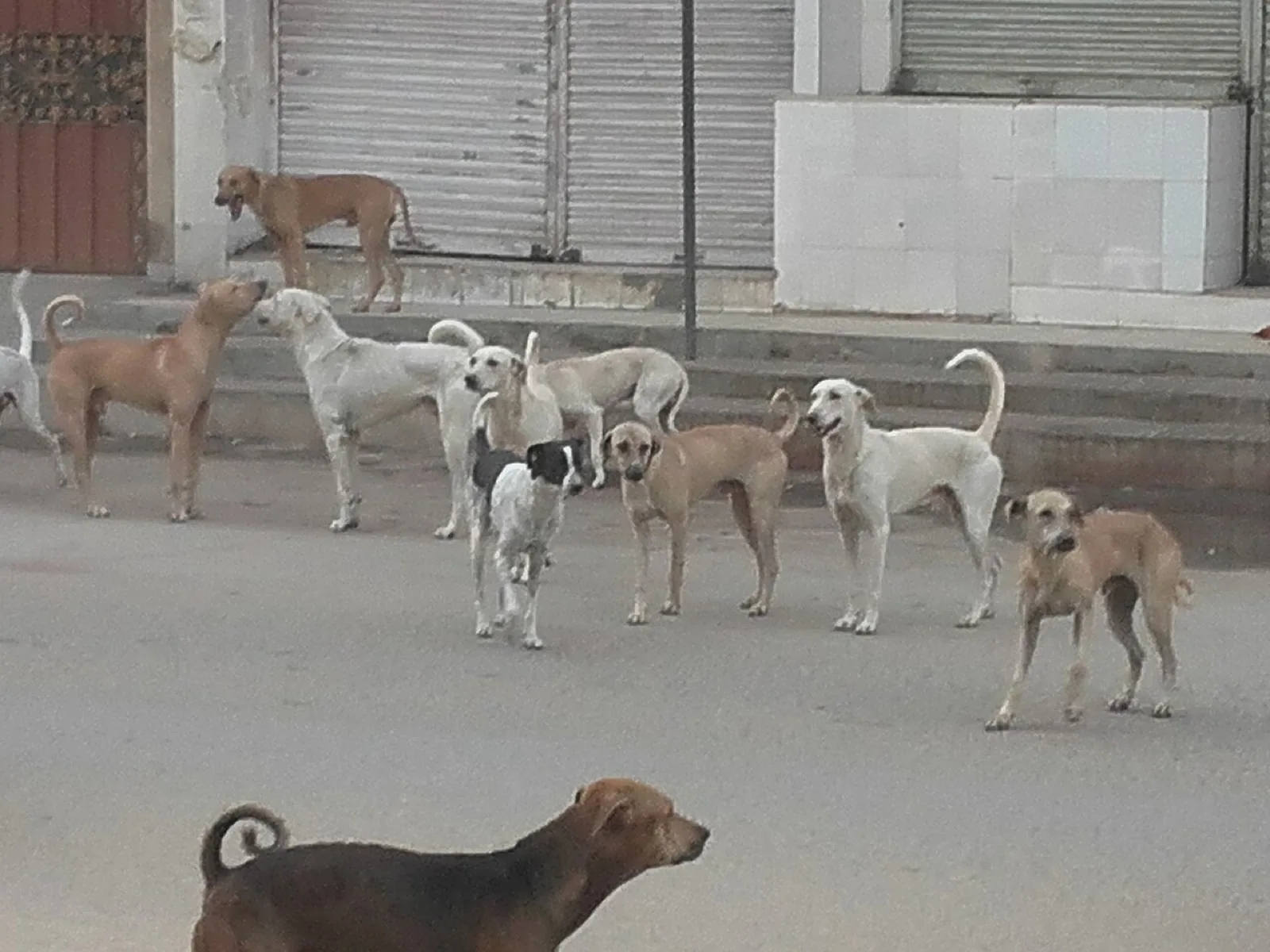
Street dog appeal · Karachi, Pakistan
How to Help Street Dogs in Karachi
Give on this page. Fund Catch-Neuter-Vaccinate-Return — the WHO-endorsed alternative to mass culling. Pakistan is WARN’s in-network focus.
- Card, Apple Pay and Google Pay on this page
- Pooled CNVR — not a named kennel dog, not a cull
- Working figure £75 for one complete CNVR (reviewed 2026-07-17)
Give now
Karachi CNVR · one-off or monthly
How often
Choose an amount
Supports the rescue-to-sanctuary journey for a trafficked animal.
Where should it go?
Secure payment · You'll be directed to a secure checkout.
Secure donation · accepted methods
256-bit SSL encryption · PCI-DSS compliant · Powered by Stripe — WARN never stores your card details.
In brief
Give on this page to help street dogs in Karachi. Your gift funds partner-led Catch-Neuter-Vaccinate-Return and rabies vaccination in Pakistan — the WHO-endorsed alternative to mass culling. Pakistan reports an estimated 2,000–5,000 human rabies deaths each year. You do not get a named kennel dog. Cancel a monthly gift any time.
By the WARN Research & Conservation TeamChecked against WHO rabies guidance, WOAH stray-dog standards and FAO rabies technical notesLast updated
~20M
Free-roaming dogs across Pakistan (est.)
2,000–5,000
Human rabies deaths in Pakistan per year (est.)
>99%
Human rabies cases from dog bites (WHO)
£75
One CNVR working figure
Figures: WHO rabies data; Pakistan public-health estimates cited in peer-reviewed and governmental sources. CNVR cost is WARN’s working field figure. See Sources below.
Who should skip this
This is not the right page if you want
- Rehoming a Karachi street dog into a UK home this week — contact a local registered rescue for that.
- A named kennel dog with photo updates. WARN does not offer that.
- Funding a cull, poison campaign or shooting programme. WARN does not support lethal control.
- Gift Aid or a UK charity receipt — that is registration status, not this page.
- Posting kibble or blankets from Britain unless a partner has asked in writing.
- Street-dog fieldwork in a country that is not Pakistan. This appeal’s funded geography is Pakistan.
How to help street dogs in Karachi
Give on this page. This URL funds partner-led Catch-Neuter-Vaccinate-Return and rabies vaccination in Pakistan, not UK rehoming and not a cull. Read the WHO split, skip the parcels, then pay by card, Apple Pay or Google Pay.
- 1
Confirm you want CNVR, not a cull
Stay here for Catch-Neuter-Vaccinate-Return in Karachi and Pakistan. WHO, WOAH and FAO reject culling as rabies control. If you want a UK pet, stop and call a local registered rescue. The culling briefing is newsroom briefing.
- 2
Give on this page
Choose one-off or monthly, pick an amount, pay by card, Apple Pay or Google Pay. The working figure for one complete CNVR is £75, reviewed 17 July 2026 — a programme cost, not a named-dog invoice. Entry-tier gifts pool.
- 3
Or go monthly if camps need a calendar
Monthly sponsorship is what lets partners book the next camp before the last one ends. Complete guides: sponsor a dog and sponsor a street dog. Symbolic adoption wording is adopt a dog. Unrestricted monthly without this appeal is monthly giving.
- 4
Skip parcels unless a partner asked
Do not post food from Britain unless a partner asked in writing. Money buys vaccine, surgery and clinic days where the dogs live. Species facts: street dog. Donor geography: help street dogs abroad.
What is the Karachi street dogs appeal?
The Karachi street dogs appeal raises money for partner-led Catch-Neuter-Vaccinate-Return and rabies vaccination in Pakistan. Give on this page. Your gift becomes clinic days, vaccine and triage — not a named kennel dog, and not a cull.
Karachi is one of the world’s largest cities, and its street dogs share its roads, markets and alleys with millions of people. Pakistan holds an estimated 20 million free-roaming dogs nationally and reports an estimated 2,000–5,000 human rabies deaths each year — among the highest figures in Asia. Dogs cause more than 99% of human rabies cases worldwide, so what happens to street dogs is a public-health question as much as a welfare one.
WARN does not run its own shelters. It funds vetted local partners delivering CNVR — the evidence-based model that has eliminated dog-mediated rabies in cities from Jaipur to Bali. Pakistan is WARN’s in-network focus for this work. You do not have to travel. You do not have to pack a box. The most useful thing you can do is give on this page.
Why do Karachi’s street dogs need help?
For years the default response in many Pakistani cities has been mass culling — poison, shooting or removal. The WHO, WOAH and FAO have all rejected culling as ineffective for rabies control. Killed dogs are quickly replaced by unvaccinated animals, and rabies deaths continue. Please donate so partners can run CNVR instead.
Mass culling
Periodic poisonings and shootings remove visible dogs but do not reduce breeding or rabies. Vacated territories are quickly filled by unvaccinated dogs from surrounding areas — the vacuum effect.
WHO, WOAH and FAO reject culling as ineffective for rabies control
Rabies and untreated bites
Dogs are the main source of human rabies worldwide. Unvaccinated street populations keep transmission alive, and post-exposure treatment is often unavailable or unaffordable for bite victims.
WHO: ~59,000 human rabies deaths globally per year, almost all dog-mediated
Uncontrolled breeding
Female street dogs can produce two litters a year. Without neutering, populations rebound within weeks of any cull, and puppies face traffic, disease and starvation.
CNVR stabilises populations over 3–5 years when run at scale
Injury, starvation and traffic
Street dogs face road collisions, open wounds, mange, parasites and hunger. Injured or sick dogs are more likely to bite when cornered or in pain.
Neutered, vaccinated dogs roam less and show fewer aggression triggers
No shelter capacity
Karachi’s small network of rescues cannot absorb the city’s street population. CNVR keeps stable, vaccinated dogs in their territory while shelter beds go to injured or non-releasable cases.
Adoption alone cannot solve a city-scale population problem
What is CNVR?
CNVR means Catch-Neuter-Vaccinate-Return. Dogs are humanely caught, sterilised, vaccinated against rabies, ear-notched and returned to the street they came from. Neutered dogs roam less and do not add puppies. Vaccinated dogs break the rabies chain. Over three to five years at scale, the population declines without a cull.
WARN funds the clinic infrastructure, trained catch teams, vaccine supply and shelter triage that make CNVR the default in Karachi — not the exception. The longer donor explainer is newsroom briefing.
Catch
Dogs are humanely caught using soft nets and experienced handlers — no pain or distress.
Neuter
Sterilisation surgery under anaesthetic prevents further litters. Dogs recover in clean kennels before release.
Vaccinate
Every dog receives a rabies vaccination, building the herd immunity WHO says is needed to stop human deaths.
Return
Dogs are ear-notched for identification and returned to their territory, where they remain familiar community guardians.
CNVR versus culling: what does the evidence say?
| Factor | CNVR (Catch-Neuter-Vaccinate-Return) | Mass culling |
|---|---|---|
| WHO / WOAH endorsement | Recommended humane population management | Formally rejected as ineffective for rabies |
| Rabies control | Builds herd immunity through vaccination | Removes dogs without vaccinating replacements |
| Population effect | Gradual decline as breeding stops | Short-term drop, rapid rebound (vacuum effect) |
| Cost over time | Front-loaded; sustainable at scale | Repeated culls with no lasting result |
| Public trust | Community dogs remain familiar guardians | Fear, backlash and hidden populations |
| Evidence | Jaipur, Chennai, Bali and others eliminated dog rabies | Pakistan culls continue; rabies deaths remain high |
Sources: WHO rabies guidance; WOAH terrestrial code; documented CNVR outcomes in Jaipur, Chennai and Bali. Longer briefing: newsroom briefing.
What will my donation to the Karachi street dogs appeal provide?
Choose an amount on this page. The figures below are Karachi programme costs — an equivalent, not a named-dog invoice. Entry-tier gifts pool. Vaccination £3.25 all-in and CNVR surgery £75 are working figures from published research and WARN programme costs, reviewed 2026-07-17.
| Gift | What it funds |
|---|---|
| £25 | the equivalent of a rabies vaccination for 7 street dogs |
| £75 | the equivalent of one complete catch-neuter-vaccinate-return surgery |
| £200 | the equivalent of 2 complete CNVR surgeries, with the remainder pooling into the next camp |
They will move if field prices move. They are not a guarantee of how any single gift is spent.
How does my donation reach street dogs in Karachi?
You give on this page. WARN holds the gift for this appeal and grants it to a vetted partner. They buy vaccine nearby and run the camp: catch, surgery, mark, return.
Buying locally is faster, and it is kinder. A clinic in Karachi does not wait for a parcel from Britain. WARN's target is for at least 80% of unrestricted donations to fund programme delivery — grants to partner shelters, sanctuary capacity, veterinary care and rescue across the network. That 80% figure is a target, not an audited result. The spend path is at where your money goes.
Card gifts are processed straight away. Monthly income is what lets a partner book the next camp before the last one ends. A one-off gift still matters for an urgent clinic day — use the toggle on the form.
What happens on a Karachi CNVR camp day?
A camp day starts before the heat does. Partner teams work the same few streets they have mapped for weeks, because the dogs there are known — which ones are pregnant, which are limping, which have already been ear-notched from a previous round.
Each dog caught is checked, sedated, neutered and vaccinated by a vet, then moved to a shaded recovery area and watched until it is steady on its feet. The ear notch goes in before it wakes. By evening every dog goes back to the street it was lifted from, and the map gets updated.
That repetition is the whole point. One camp does not fix a city; a programme that returns to the same streets, round after round, is what shifts the population and stops rabies spreading. A gift on this page is what makes returning possible.
Street dogs and rabies: quick facts
| What CNVR stands for | Catch-Neuter-Vaccinate-Return — humane catch, sterilisation surgery, rabies jab, ear notch, return to territory |
|---|---|
| Karachi street dogs (est.) | Tens of thousands to hundreds of thousands — exact counts vary by ward and season |
| Pakistan-wide dogs (est.) | Roughly 20 million free-roaming dogs nationally |
| Human rabies in Pakistan | An estimated 2,000–5,000 deaths per year — among Asia’s highest burdens |
| Global street dogs | An estimated 200 million free-roaming dogs worldwide |
| Rabies source | Dogs cause >99% of human rabies deaths (WHO) |
| WARN’s role | Funds partner-led CNVR clinics, vaccine supply and shelter capacity in Pakistan |
| What WARN does not fund | Lethal population control, poison campaigns or culling operations |
What does WARN fund for street dogs?
WARN funds partner-led CNVR in Pakistan — practical, field-based work delivered by local teams who know Karachi’s streets and communities.
CNVR clinic days
Mobile and fixed clinics that catch, neuter, vaccinate and return street dogs at the scale Karachi needs.
Rabies vaccination drives
Vaccine supply and trained teams to build the 70%+ coverage WHO says is needed to break transmission.
Shelter and triage capacity
Beds, food and veterinary care for injured, sick or non-releasable dogs that cannot go straight back to the street.
Community education
Working with neighbourhoods so people understand CNVR, report bites safely and support vaccinated dogs in their area.
Related programmes
The form above is enough to give. These pages are the monthly guides, the culling briefing, and Pakistan’s other live appeal.
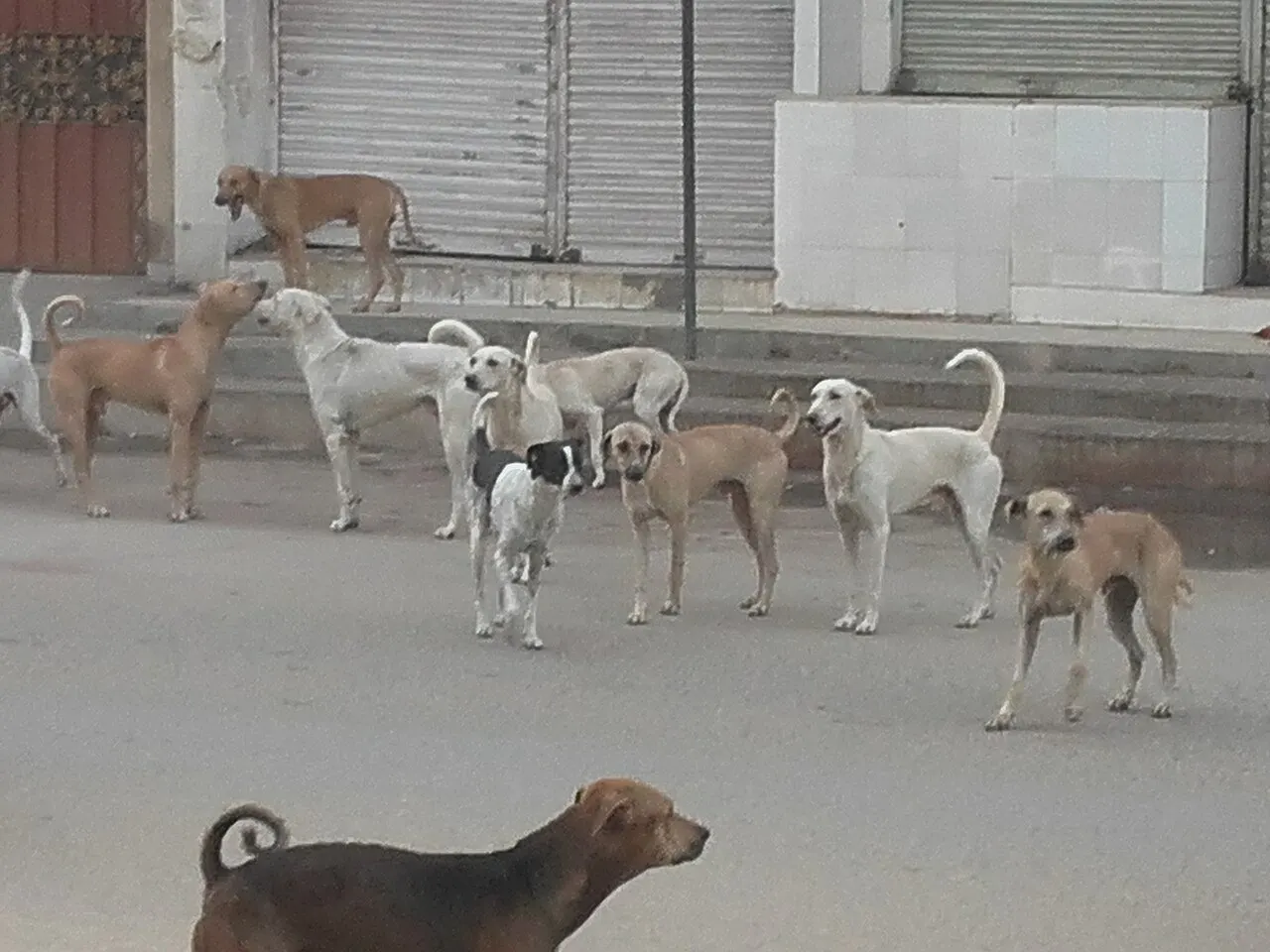
How to sponsor a dog
Monthly CNVR from £5 — the complete dog guide, with checkout on the page.
Open this page Sponsor a street dog
The named street-dog product — same Pakistan CNVR programme, product framing.
Open this page
Symbolically adopt a dog
Same partner grants with gift-certificate wording. From £5 a month.
Open this page
Help street dogs abroad
The UK donor guide for gifts that fund CNVR where the dogs live.
Open this page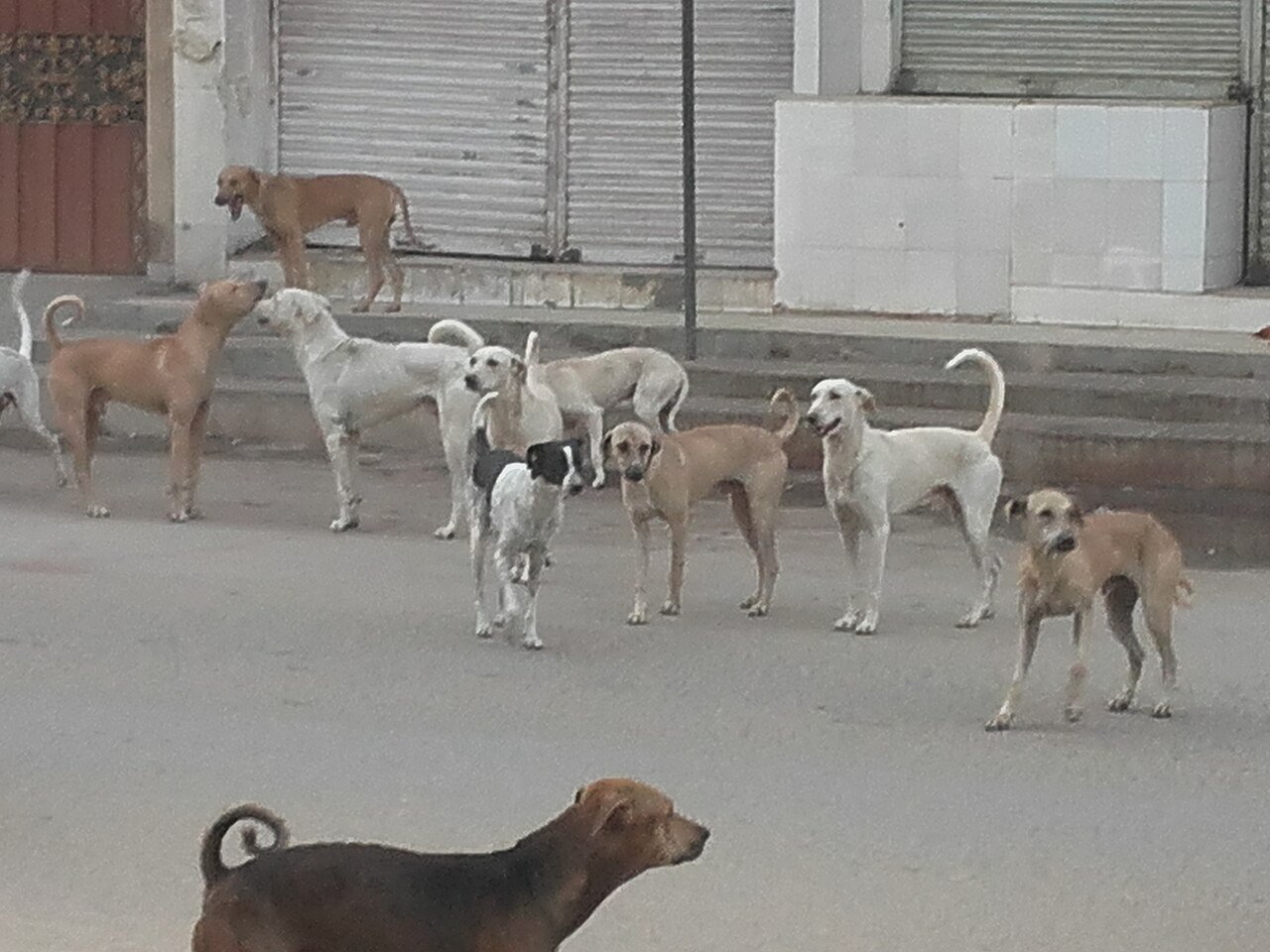
Why mass culling cannot solve rabies
The briefing: vacuum effect, WHO guidance, and why Karachi still culls.
Open this page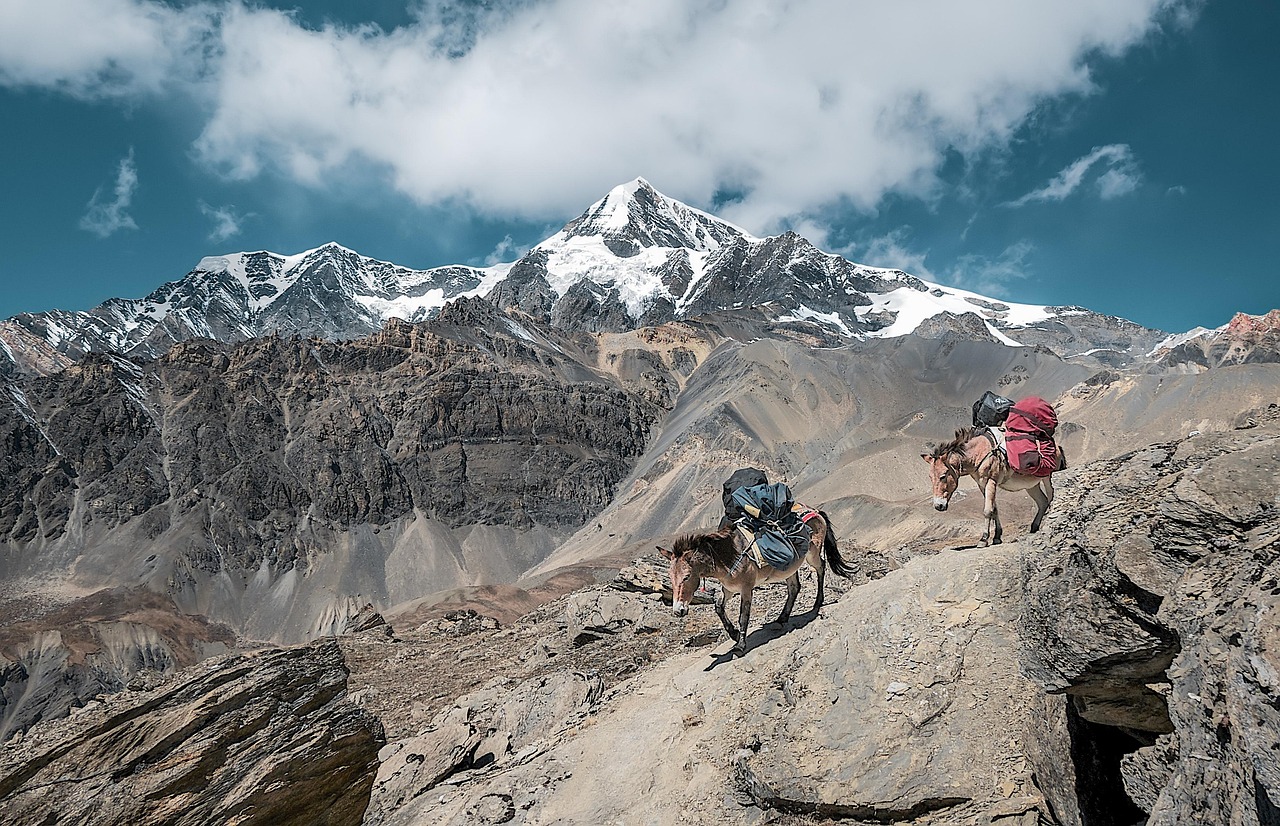
Help working donkeys
Pakistan’s other live appeal — mobile clinics, hoof care and harness support.
Open this pageAlso: Street dog wildlife guide · Dog species guide · Pakistan country page · Why dog culling does not work · What is CNVR? · Unrestricted monthly giving
Give on this page
Karachi street dogs: frequently asked questions
How do I donate to help street dogs in Karachi?
How can I help street dogs in Pakistan from the UK?
What is CNVR?
Why is Pakistan a priority for street dog welfare?
Does WARN support culling?
Does killing street dogs stop rabies?
How many street dogs are there in Karachi?
Can street dogs be adopted instead of returned?
Are street dogs dangerous?
Where does WARN’s street-dog work happen?
How long does CNVR take to work?
What will my donation to the Karachi street dogs appeal provide?
Can I sponsor a street dog in Karachi monthly?
What is the difference between this appeal and sponsoring a dog?
Is WARN a charity, and can I claim Gift Aid on this appeal?
Should I send dog food or blankets from the UK?
Sources and references
Population figures, rabies data and management guidance on this page are drawn from intergovernmental and governmental sources.
- WHO — Rabies fact sheet (dog-mediated transmission, global deaths)
- WHO — Expert consultation on rabies (dog population management guidance)
- WOAH — Stray dog population control (humane management standards)
- Global Alliance for Rabies Control — Zero by 30 campaign
- FAO — Dog population management for rabies control (technical guidance)
- GOV.UK Gift Aid — available only on gifts to UK registered charities
Ready to help Karachi’s street dogs?
Give on this page. Every gift funds vetted partner-led CNVR — not a named kennel dog, and not a cull.
Donate to this appeal