Urgent appeal · Indonesia · Malaysia · Pakistan
Save the world's most trafficked mammal
Shy and almost unknown, pangolins are vanishing faster than any other wild mammal — stripped from forests for their scales. Help fund the rescuers fighting to save them.
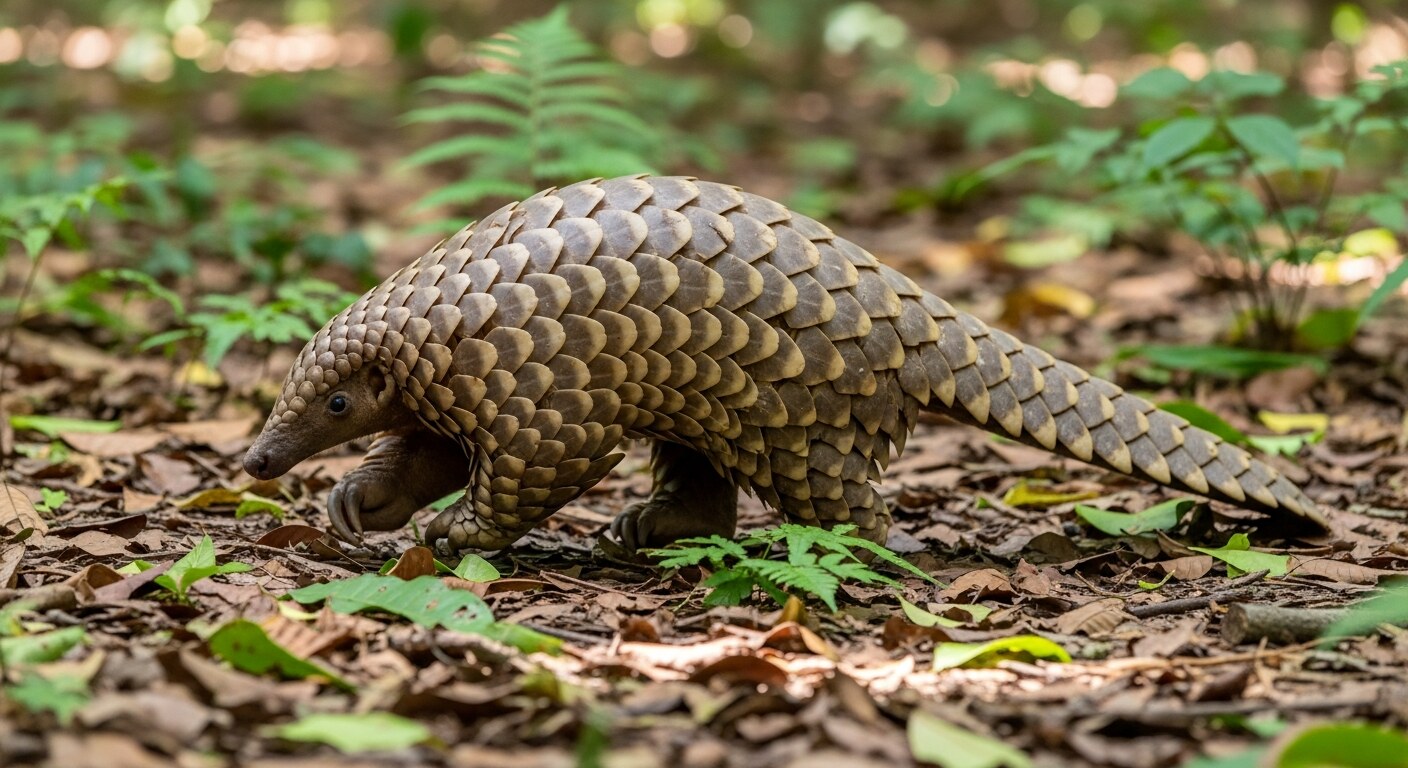
In brief
Pangolins are the most trafficked wild mammals on earth — an estimated one million taken in a decade for scales and meat. All eight species are threatened. WARN funds partner-led rescue, rehabilitation and release in Indonesia, Malaysia and Pakistan, with Malaysia as a critical transit hub for Sunda pangolins.
8
Pangolin species — all threatened
~1M
Trafficked in a decade (est.)
2016
CITES commercial trade ban (all species)
3
WARN in-network countries
Figures: CITES; IUCN Red List; conservation trade analyses. See sources below.
The pangolin's scales — meant to protect it from predators — are exactly what drives it to extinction. WARN funds partner rescue teams in Indonesia, Malaysia and Pakistan, with Malaysia as a critical transit hub. Read our Malaysia trafficking briefing and pangolin rescue guide.
What threats do pangolins face?
Scale trafficking
Pangolin scales are trafficked for use in some traditional medicine markets despite being keratin — the same protein as human fingernails. Seizures of tonnes of scales show industrial-scale poaching across Africa and Asia.
All eight species on CITES Appendix I since 2016
Meat demand
Pangolin meat is sold as a luxury wildlife product in some markets. Live animals are preferred, increasing mortality during transport when conditions are cramped and stressful.
Live seizures require specialist triage within hours
Captivity mortality
Pangolins are specialist ant and termite eaters that stress easily in captivity. Without expert care, seized animals die within days — making rescue capacity at transit hubs time-critical.
Pangolins do not breed reliably in captivity
Malaysia as transit hub
Malaysia sits between source forests in Indonesia and demand markets across mainland Asia. Sunda pangolins are trafficked through road, airport and port routes alongside African scales.
Malaysia is a key pangolin trafficking transit country
Habitat loss
Forest clearance removes the ant and termite colonies pangolins depend on. Isolated populations face higher poaching pressure as access roads penetrate remaining habitat.
Sunda pangolin listed Critically Endangered (IUCN)
Asian versus African pangolins
| Attribute | Sunda (Malaysia focus) | Chinese | White-bellied (Africa) |
|---|---|---|---|
| IUCN status | Critically Endangered | Critically Endangered | Endangered |
| Range | Southeast Asia | South & Southeast Asia | Central & West Africa |
| Scale trade | Major transit through Malaysia | Historically highest demand | Rising demand as Asian stocks decline |
| Diet | Ants & termites exclusively | Ants & termites | Ants & termites |
| Release potential | Yes, with specialist rehab | Yes, with specialist rehab | Yes, with specialist rehab |
Quick pangolin facts
| Only scaled mammal | Pangolins are the sole mammals covered in keratin scales |
|---|---|
| Defence | Roll into an armoured ball when threatened |
| Scale composition | Keratin — same protein as human fingernails |
| CITES | Appendix I — commercial international trade banned |
| WARN focus | Indonesia, Malaysia and Pakistan — rescue and release |
| Malaysia role | Transit hub for Sunda pangolins and African scales |
| Symbolic adoption | Adopt a pangolin from £5/month |
| What WARN does not fund | Scale stockpiling, farming experiments or commercial trade |
What does WARN fund?
WARN funds partner-led intake, rehab and release — see also the pangolin wildlife guide and what happens to seized pangolins.
Focus 1
Emergency Intake
First response when pangolins are seized — fluids, warmth, quiet and urgent veterinary assessment.
Focus 2
Specialist Rehab
Skilled feeding and low-stress care a rescued pangolin needs before release.
Focus 3
Soft Release
Careful release and monitoring of recovered pangolins back into safe habitat.
Focus 4
Anti-Trafficking
Partner work with customs and rangers intercepting shipments and disrupting trade routes.
Choose your gift
Secure checkout · Certificate emailed within 4 hours of payment.
WARN is a registered global not-for-profit animal welfare organisation, not a charity, so it cannot claim Gift Aid. The donation case is transparency: low fixed costs and partner-led delivery in the countries where help is needed.