Conservation · Why species are endangered
Why are sharks endangered?
Over one-third of shark and ray species face extinction — overfishing for fins, meat and bycatch outpaces their slow reproduction.
In brief
Over one-third of shark and ray species are threatened with extinction. Overfishing — for fins, meat and bycatch — is the primary driver. Sharks reproduce slowly; populations cannot recover quickly from heavy harvest.
By the WARN Research & Conservation TeamChecked against IUCN Red List & CITES sourcesLast updated
Sharks have survived over 400 million years — yet a 2021 IUCN assessment found 37% of shark and ray species threatened with extinction. Overfishing is the primary driver: finning for soup, meat markets, and massive bycatch in tuna and swordfish longline fisheries. Sharks reproduce slowly — many species bear few young after long gestations — so populations cannot recover quickly from heavy harvest. Their loss disrupts ocean food webs as apex and mesopredators, triggering trophic cascades that affect fisheries and reef health.
37%
Shark and ray species threatened — 2021 IUCN
400M+
Years sharks have existed on Earth
100M+
Sharks killed annually — estimate incl. bycatch
800+
Marine species affected by related fishing pressure
Quick facts
| Main threat | Overfishing — fins, meat and bycatch in industrial fisheries |
|---|---|
| Finning | Fins cut off at sea — body discarded — banned in many countries |
| Reproduction | Slow — long gestation, few offspring, late maturity |
| Bycatch | Longline tuna fisheries kill millions of sharks annually |
| Ecological role | Apex and mesopredators — regulate ocean food webs |
| Data gap | Many deep-water species Data Deficient — threat may be higher |
Key takeaways
- 37% of shark and ray species threatened — IUCN 2021.
- Overfishing for fins, meat and bycatch is the primary driver.
- Slow reproduction means decades-long recovery timelines.
- Finning bans exist but high-seas enforcement remains weak.
- Shark loss triggers trophic cascades in ocean ecosystems.
- Marine protected areas and bycatch mitigation help where enforced.
Finning and fin trade
Shark fin soup demand in East Asia drives high-value fin trade — fins can sell for hundreds of dollars per kilogram. Finning — cutting fins and discarding bodies at sea — wastes most of the animal and complicates species identification in trade. Many countries ban finning in territorial waters, but enforcement on the high seas is weak and fin imports continue in some markets. Fin attachment rules requiring whole sharks at landing help enforcement where implemented. Demand reduction campaigns complement trade regulation — some jurisdictions ban fin import entirely.
Bycatch in industrial fisheries
Longline vessels targeting tuna and swordfish deploy kilometres of baited hooks — catching sharks, seabirds and turtles as bycatch. Estimated tens of millions of sharks die this way annually — often unrecorded because sharks are not the target species. Industrial trawling on seamounts removes slow-growing deep-water sharks with almost no reproductive margin. Bycatch mitigation — circle hooks, shark deterrents, time-area closures — exists but adoption is uneven. Marine protected areas and shark sanctuaries help where enforced, but ocean-wide fishing pressure dwarfs protected coverage.
Slow life history
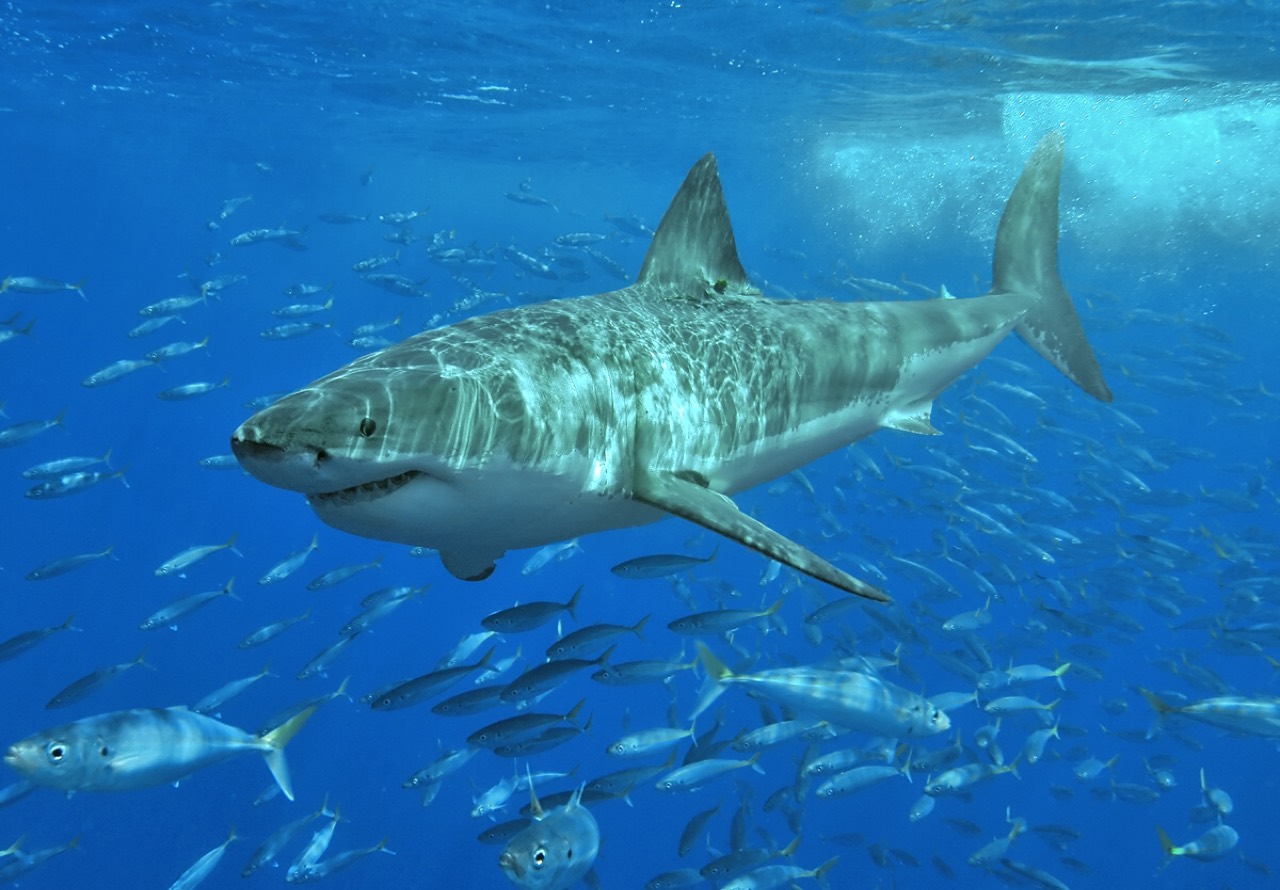
Many sharks mature late — great white sharks may take 15 years to breed — and produce few offspring per pregnancy. Whale sharks, the largest fish, are Endangered despite filter-feeding on plankton — they are caught in nets, struck by ships and finned when caught incidentally. Hammerheads school in predictable aggregations — easy targets for fisheries. Population models show recovery takes decades even after fishing stops — making prevention far cheaper than restoration. Data Deficient species in deep water may be declining faster than assessments show.
Ocean ecosystem impacts
Removing apex predators causes trophic cascades — rising mesopredator populations, collapsing prey species and altered reef behaviour. Studies from coral reefs show shark loss changes how smaller fish use habitat — affecting ecosystem resilience to climate stress. Sharks are not optional extras in marine food webs — they are structural. Conservation combines fin-trade bans, bycatch reduction, marine protected areas and sustainable seafood consumer choices. WARN’s marine animals hub links shark guides to bycatch and habitat issues for donors evaluating ocean funding.