Conservation · Why species are endangered
Why are lions endangered?
Vulnerable — roughly 43% decline since 1993; habitat loss, conflict, snaring and bone trade threaten Africa’s last wild lions.
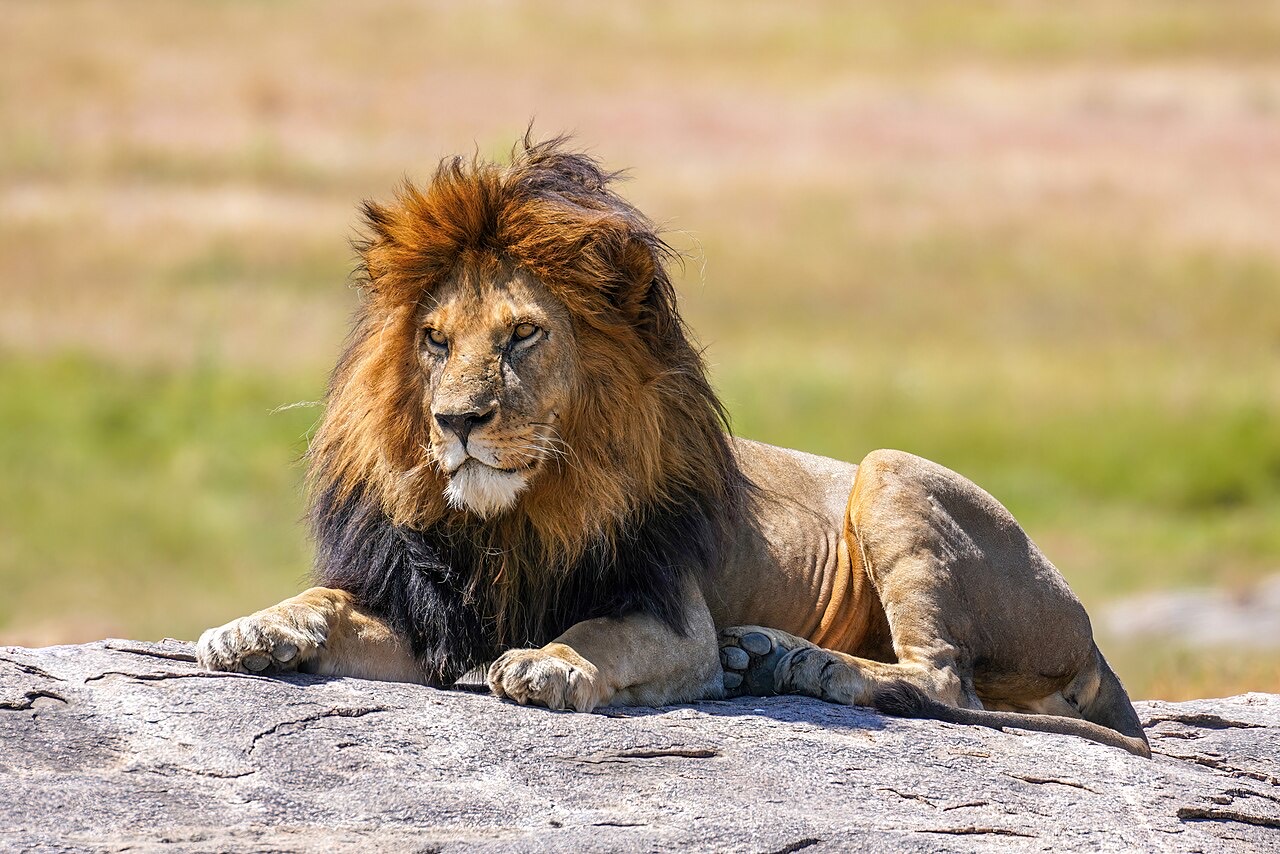
In brief
African lions are Vulnerable on the IUCN Red List — populations down roughly 43% since 1993. Habitat loss, human–wildlife conflict, prey depletion and poaching for body parts drive decline. As few as 20,000 wild lions may remain across fragmented African range.
By the WARN Research & Conservation TeamChecked against IUCN Red List & CITES sourcesLast updated
African lion (Panthera leo) listed Vulnerable — perhaps 20,000 wild individuals in fragmented populations. Historic range included Europe, Middle East and India; today only Gujarat holds Asiatic lions. Prey depletion, retaliatory killing, snaring and emerging bone trade for traditional medicine markets drive decline. Community conservancies show tourism can fund coexistence — but ranger salaries need sustained donors, not one-off grants.
~20,000
Estimated wild African lions remaining
43%
Population decline since 1993 (IUCN)
Vulnerable
IUCN Red List status — Panthera leo
8%
Approximate share of historic range still occupied
Quick facts
| IUCN status | Vulnerable — population decreasing |
|---|---|
| Main threats | Habitat loss, human conflict, snaring, prey depletion |
| Bone trade | Lion bones substitute tiger products in some markets |
| Asiatic lion | Roughly 700 in Gujarat, India — separate population |
| Tourism | Revenue funds conservancies in Kenya and Tanzania |
| CITES | Appendix I/II varies by population — trade restricted |
Key takeaways
- Vulnerable — ~43% decline since 1993.
- ~20,000 wild African lions in fragmented habitat.
- Snaring and prey loss as important as direct conflict.
- Bone trade adds poaching pressure.
- Community conservancies can fund coexistence.
- See lion guide, appeal and newsroom briefing.
Habitat fragmentation
Lions need large territories — males defend hundreds of square kilometres. Fences around livestock and farms block gene flow — inbred isolated prides face extinction vortex. Protected areas alone insufficient without corridors linking populations across Botswana, Zambia and Tanzania. Bushmeat snaring removes prey — lions starve or enter villages pursuing goats.
Human–wildlife conflict
Retaliatory poisoning after livestock loss kills entire prides — cheap pesticides like carbofuran lethal. Compensation schemes and guard dogs reduce killing where implemented promptly. Maasai warrior tradition shifting toward conservation employment — not universal. Night enclosures for cattle cheap effective intervention.
Trade and trophy hunting debate
Canned hunting and bone export from South Africa controversial — legal trade may stimulate demand for tiger substitutes. CITES decisions shift with science and politics. WARN links lions appeal for partner programmes supporting conflict mitigation — not trophy promotion.
What recovery requires
Prey restoration, anti-snaring patrols, community revenue sharing and enforcement against poison and trap sets. India’s Asiatic lion recovery model — from 20 to 700 — shows intensive protection works over decades. African landscapes need equivalent long-term funding.
What WARN does
WARN lions appeal funds human–wildlife conflict mitigation and anti-snaring support through partners in East Africa — guard-animal programmes, rapid compensation and community ranger salaries with published session budgets.