Southern Africa
South Africa
South Africa holds the largest rhino populations on earth and the continent's most developed wildlife economy — and, with that, the centre of the global rhino-poaching crisis. It i
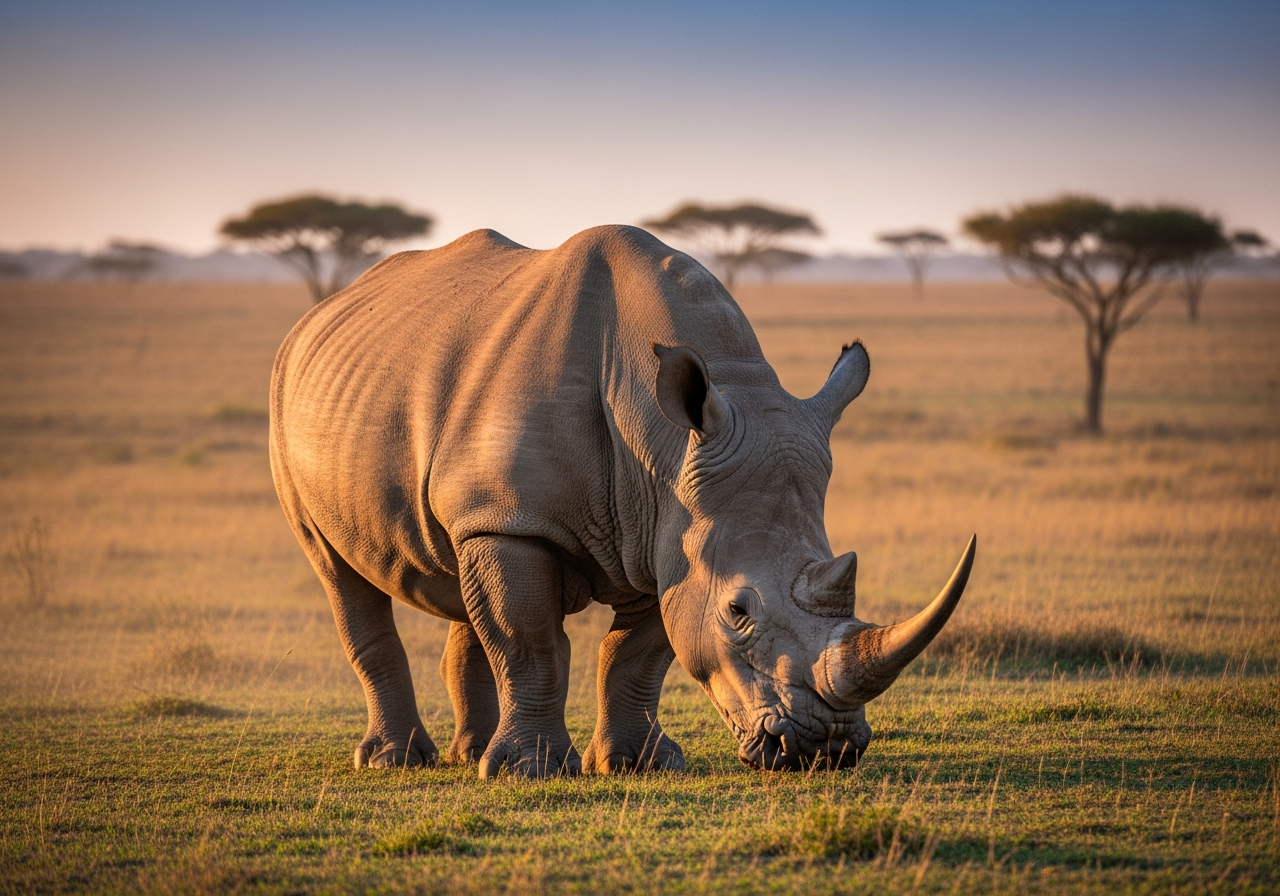
South Africa holds the world's largest populations of white and black rhinos, plus African elephants, lions, cheetahs, African wild dogs and pangolins; it is the epicentre of rhino-horn poaching and also has a large captive-predator industry that creates significant welfare problems.
Key Facts About South Africa
- South Africa holds the majority of the world's remaining rhinos.
- It is the epicentre of the rhino-horn poaching crisis, losing hundreds of rhinos a year.
- A large captive-lion and 'cub-petting' industry creates major welfare concerns.
- It is a key range state for cheetahs, African wild dogs and Temminck's ground pangolin.
- WARN's planned South Africa work would fund partner anti-poaching, veterinary and sanctuary capacity.
- South Africa holds the majority of the world's remaining rhinos.
- The captive-lion industry creates major welfare concerns distinct from wild-population protection.
What is the wildlife situation in South Africa?
South Africa's well-developed reserve network protects the world's largest rhino populations, but that makes it the primary target of organised rhino-horn poaching, which kills hundreds of rhinos a year. The country also has a large captive-predator industry — lion breeding for cub-petting and captive hunting — that the welfare and conservation community widely condemns. Pangolins, cheetahs and wild dogs face trafficking, conflict and habitat pressure.
What is WARN preparing to do in South Africa?
WARN would make grants to and partner with established South African organisations — funding rhino anti-poaching and veterinary response, the rescue and rehabilitation of pangolins seized from traffickers, and sanctuary capacity for big cats removed from the captive-predator industry. WARN would not run its own reserve or sanctuary.
Why South Africa matters
South Africa is where the most concentrated wildlife wealth meets the most organised wildlife crime. Funding credible local partners on rhino protection, pangolin rescue and captive-predator welfare addresses several of the highest-profile animal-welfare problems on the continent at once.
Rhino anti-poaching and veterinary response
Organised rhino-horn poaching kills hundreds of rhinos annually. Partner grants fund anti-poaching, rapid veterinary response to survivors and orphan-calf care.
Captive-predator welfare
Lions bred for cub-petting and captive hunting frequently need lifetime sanctuary when surplus to the industry. WARN grants support credible sanctuary placement — not breeding.
Threats to Wildlife in South Africa
Rhino-horn poaching
Captive-predator breeding and canned hunting
Pangolin trafficking
Habitat loss and fencing
Human-wildlife conflict
What WARN Funds in South Africa
Our planned South Africa work would make grants to and partner with established local organisations — funding rhino anti-poaching and veterinary response, pangolin rescue and rehabilitation, and sanctuary capacity for big cats from the captive-predator industry. WARN would not run its own reserve.
South Africa FAQ
Why is South Africa central to the rhino crisis?
What is the captive-lion industry?
Why is South Africa central to rhino conservation?
Does WARN support the captive-lion industry?
What about pangolin trafficking?
Does WARN run its own South African reserve?
How does the lion appeal work in South Africa?
Can UK donors help South African rhinos?
Rescue Guides for South Africa
Focused pages for the specific animal rescue searches connected to South Africa, from trafficking response to sanctuary and veterinary care.
South Africa · Anti-poaching
Rhino Poaching in South Africa
Rhino poaching in South Africa is driven by illegal demand for horn; rescue work combines anti-poaching patrols, emergency veterinary care and orphan-calf rehabilitation.
Southern Africa · Orphan care
Rhino Orphan Calf Rescue
Rhino orphan calf rescue starts with emergency stabilisation after poaching, then specialist milk feeding, quarantine, trauma care and long rehabilitation before any possible return to a protected reserve.
UK donors · Wildlife rescue intent
Donate to Wildlife Rescue from the UK
UK donors can donate to wildlife rescue abroad through WARN — choose a species appeal at /appeals for pangolins, tigers, gorillas, orangutans, rhinos, lions or elephants, or give generally at /donate for WARN to fund partner-led rescue across its 17-country network.
Wildlife rescue · Lions
Donate to Lion Conservation in Africa
You can donate to lion conservation in Africa through WARN at /appeals/lions — gifts fund partner-led anti-poaching support, human–wildlife conflict mitigation and snare removal in Kenya, Tanzania and South Africa within the 17-country partner network.
US donors · Wildlife rescue intent
Donate to Wildlife Rescue from the United States
US donors can donate to wildlife rescue abroad through WARN — choose a species appeal at /appeals for pangolins, tigers, gorillas, orangutans, rhinos, lions or elephants, or give generally at /donate for WARN to fund partner-led rescue across its 17-country network in USD.
Appeals You Can Support in South Africa
Back a specific cause for the animals of South Africa. Every gift funds frontline rescue, veterinary care and humane coexistence work through our local partners.
South Africa · Kenya · India · Nepal · Indonesia
Stop the Rhino Poaching Crisis
Rhinos are poached for horn made of keratin. Fund partner-led anti-poaching, veterinary response and orphan care in South Africa, Kenya, India, Nepal and Indonesia.
Support this appeal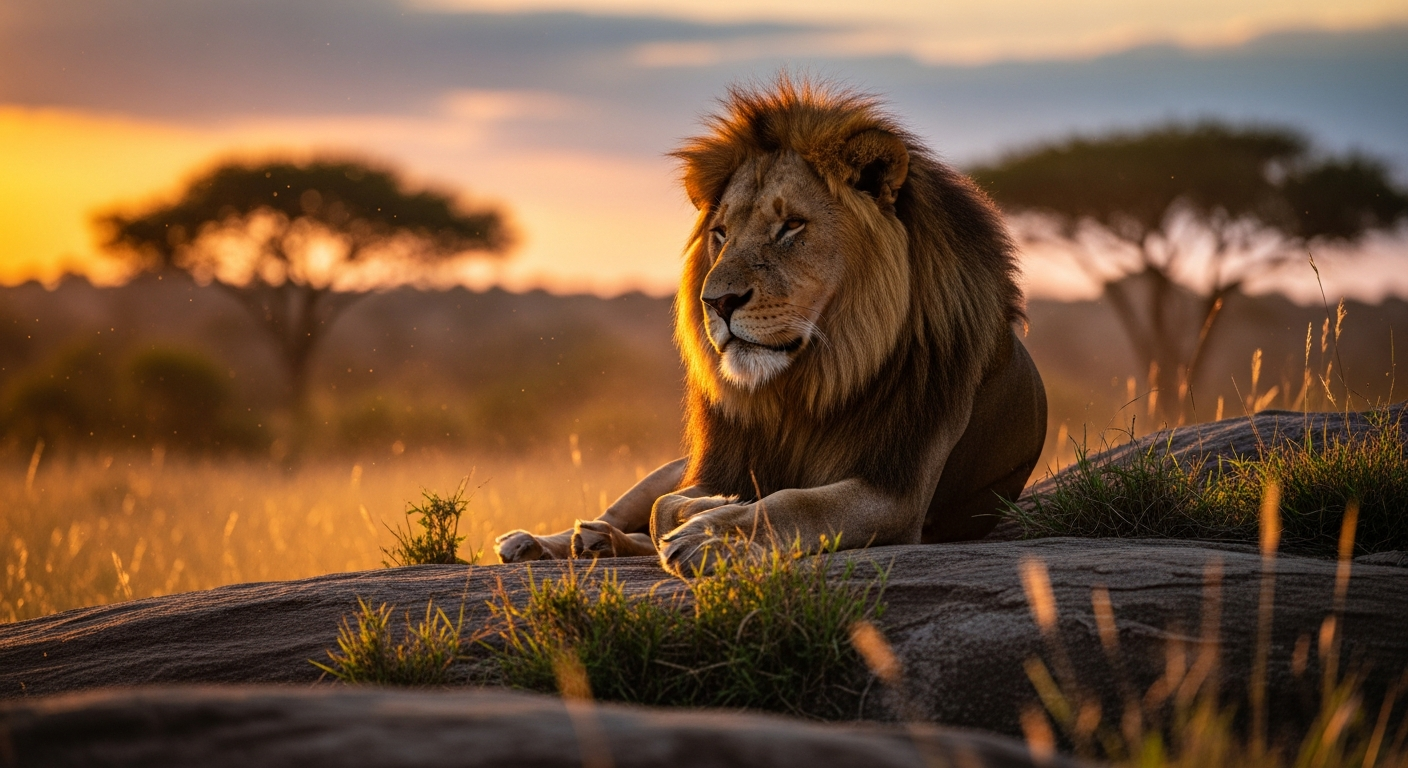
Kenya · Tanzania · South Africa
Protect Africa's Lions
Africa has lost roughly half its lions in 25 years. Fund partner-led snare response, conflict mitigation and sanctuary placement in Kenya, Tanzania and South Africa.
Support this appeal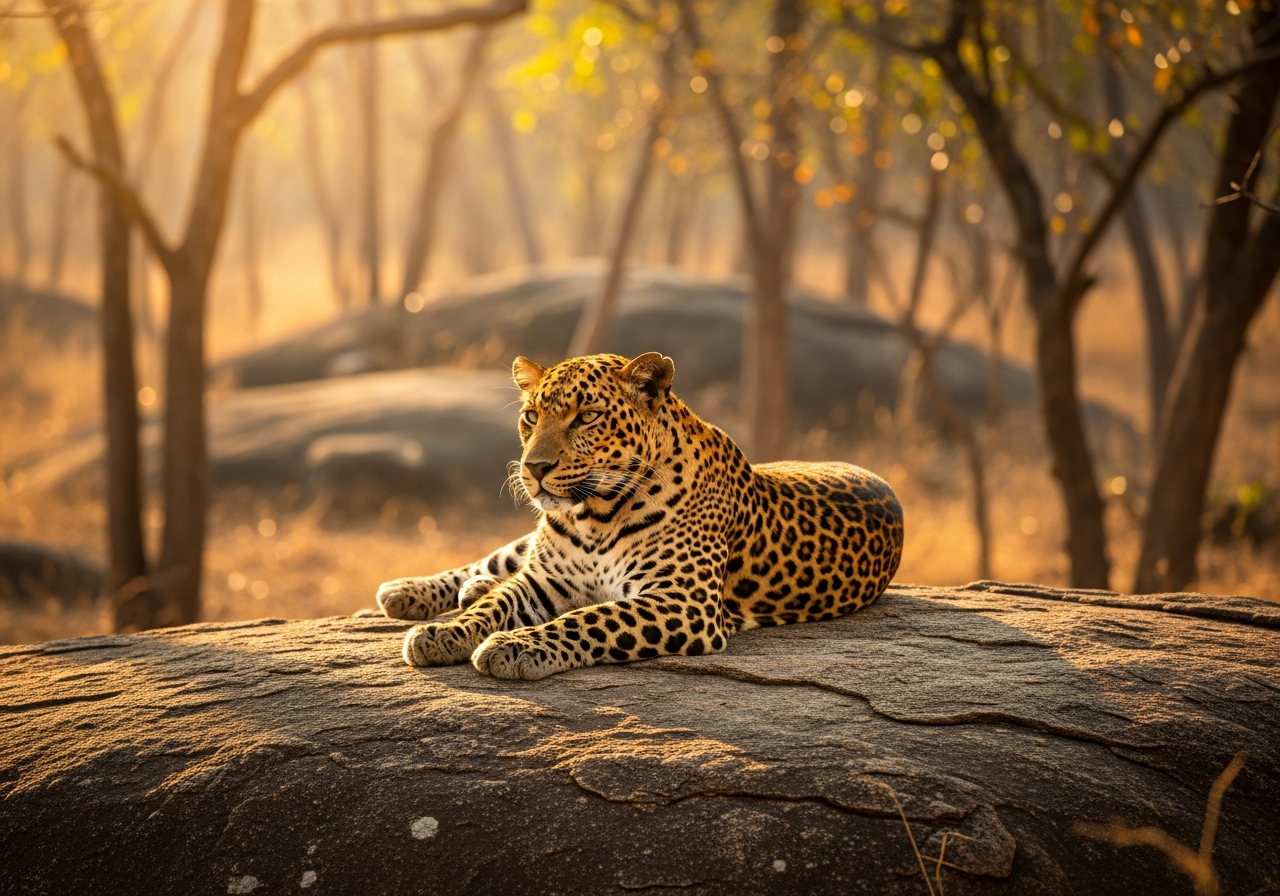
India · Sri Lanka · Kenya · Tanzania · South Africa
Save the Leopard
Snared, poisoned and trafficked, the leopard is one of the most persecuted big cats on earth. Fund partner-led snare response, conflict mitigation and rescue through grants in India, Sri Lanka, Kenya, Tanzania and South Africa.
Support this appeal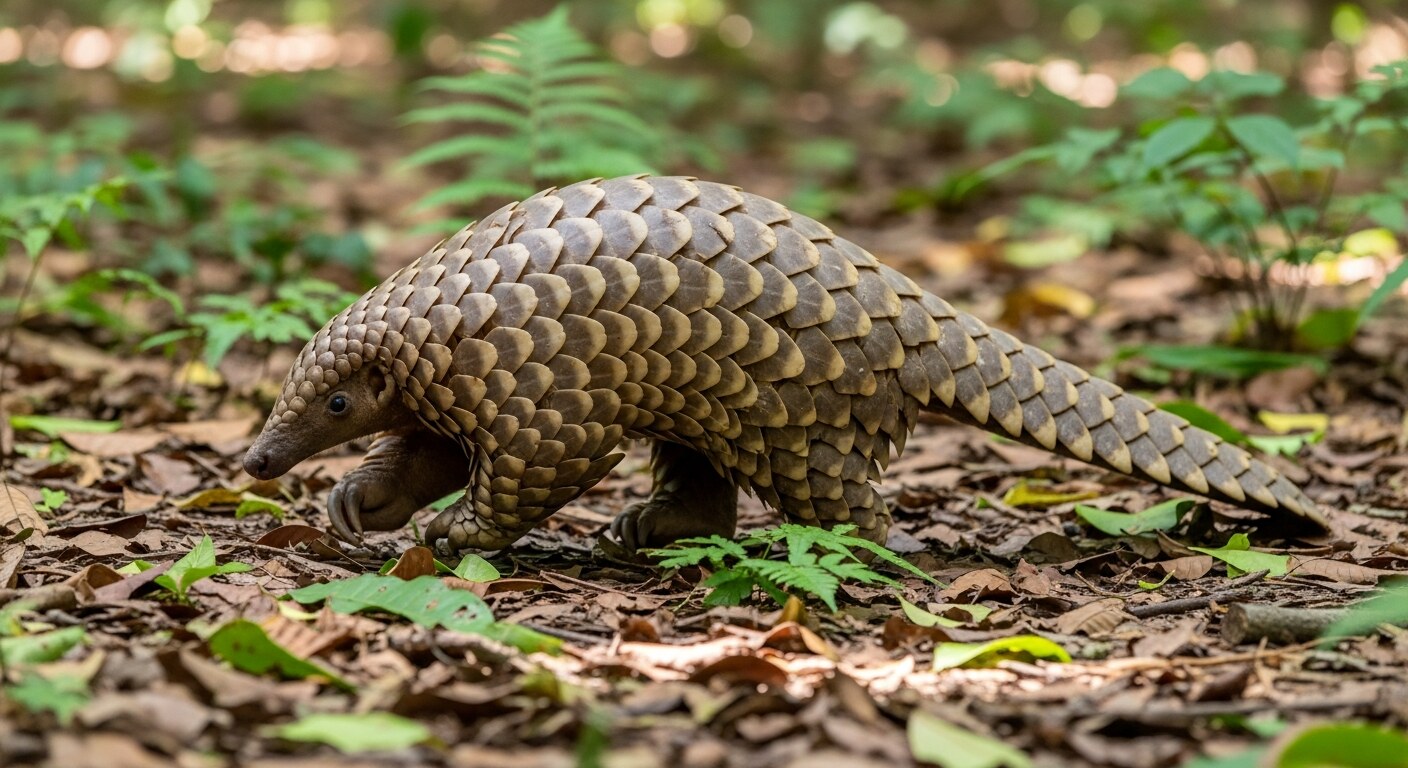
Indonesia · Malaysia · Pakistan
Save the World's Most Trafficked Mammal
Pangolins are the most trafficked wild mammals on earth. Fund rescue, rehabilitation and release for pangolins seized from traffickers, with Indonesia, Malaysia and Pakistan as the in-network focus.
Support this appealHelp the Animals of South Africa
Your donation funds the rescue teams, sanctuaries, and programmes protecting wildlife and street animals across South Africa.
Donate Now