Guide 1
Why South Africa Is Central to Rhino Protection
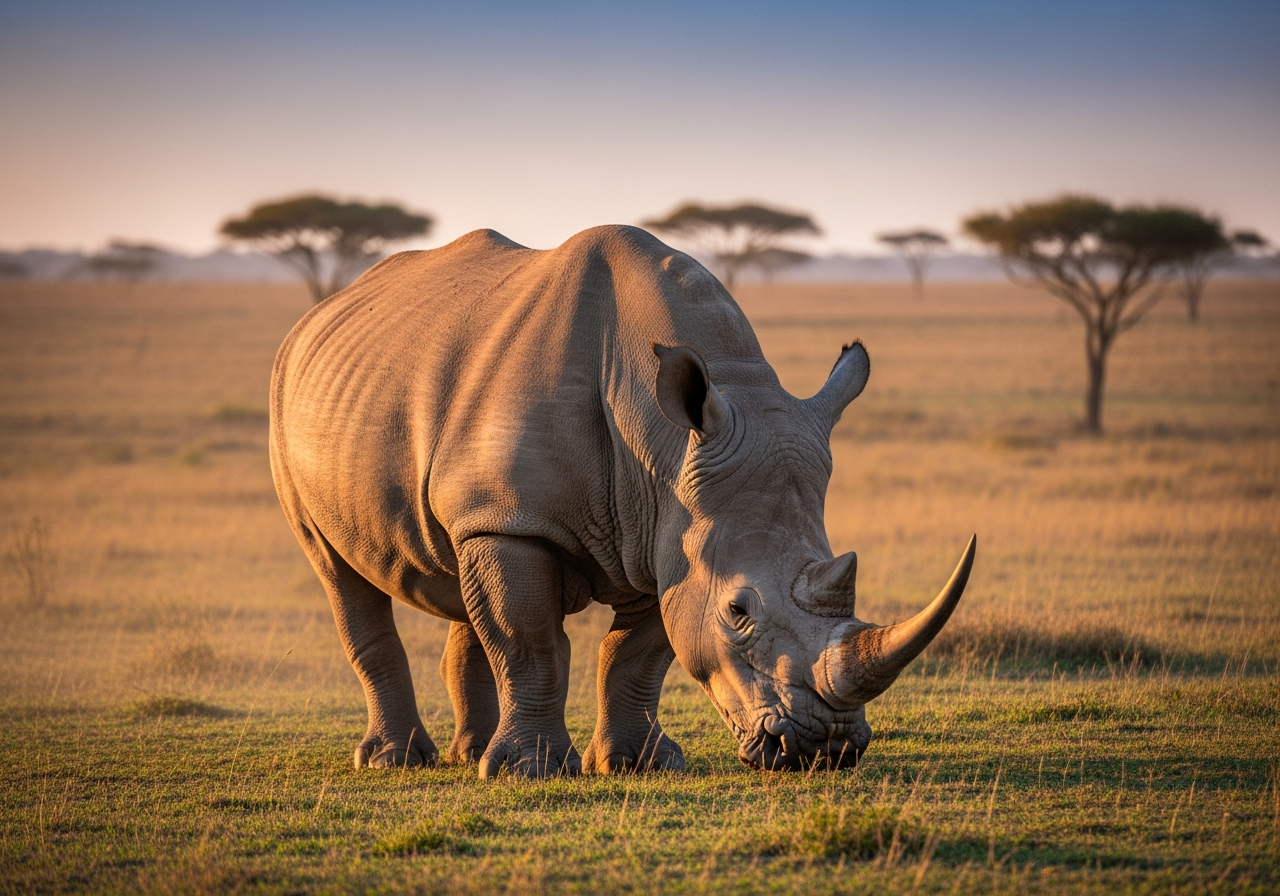
South Africa holds the largest rhino population in the world, making it the main target for organised horn-poaching networks. Protecting rhinos there has global significance because losses or gains shift the future of the species.
Guide 2
What Happens After a Poaching Incident
If a rhino survives a poaching attack, it needs urgent veterinary care for facial wounds, blood loss, infection and trauma. Calves whose mothers are killed need specialised milk, secure enclosures and long rehabilitation before any return to protected reserves.
Guide 3
Why Anti-Poaching Is Expensive
Effective protection needs ranger salaries, patrol vehicles, communications, intelligence networks, veterinary response and sometimes aerial monitoring. A single weak point can expose an entire reserve to poaching pressure.
Guide 4
Anti-Poaching and Veterinary Response
South Africa holds the largest white rhino population but faces relentless poaching for horn. Partner grants fund anti-poaching patrol support, emergency veterinary response for wounded rhinos and orphan-calf care when mothers are killed. Horn has no proven medicinal value — it is keratin, like human fingernails.
Guide 5
UK Donor Route for Rhino Conservation
Donate to rhino appeal for partner grants in South Africa, Kenya, Tanzania, India and Nepal. WARN does not run rhino facilities — it channels UK and international gifts to established anti-poaching and orphan-care partners.
Guide 6
What Your Gift Buys on the Ground
Roughly £15–25 funds one street dog through catch, neuter, rabies vaccination and return in network countries. £100 supports a small clinic day. £500 helps stock quarantine after a trafficking seizure. Monthly gifts let partners plan multi-year CNVR instead of crisis-only response.