East Africa
Rwanda
Rwanda has rebuilt itself around conservation, turning mountain-gorilla protection into a national success story and reintroducing lions and rhinos to its flagship park. It is a sm
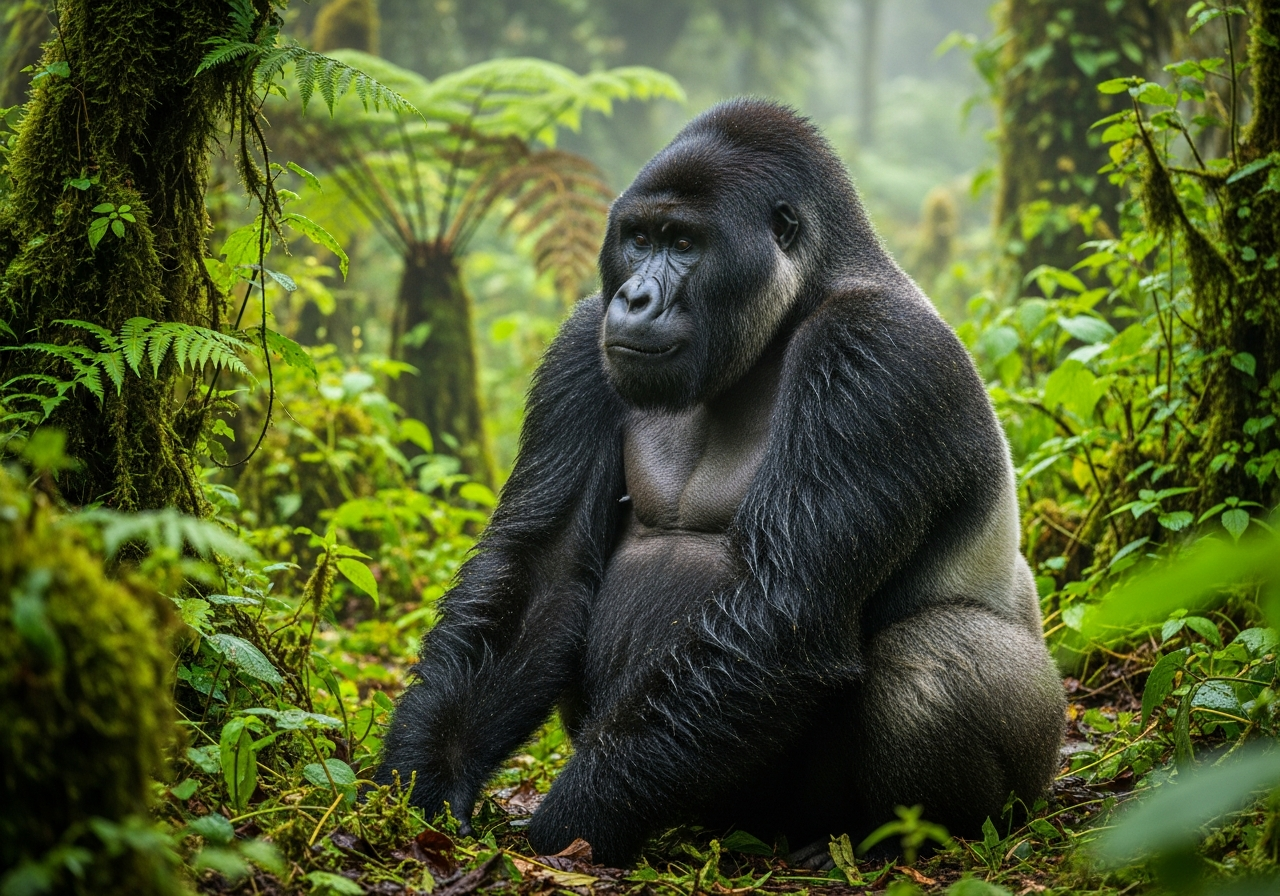
Rwanda is a small, densely populated East African country best known for mountain gorillas in Volcanoes National Park, with reintroduced lions and rhinos in Akagera; its conservation has recovered strongly, but human-wildlife conflict and habitat pressure remain constant challenges.
Key Facts About Rwanda
- Rwanda's mountain-gorilla population has grown, part of the only great-ape recovery in the world.
- Lions and black rhinos have been successfully reintroduced to Akagera National Park.
- It is one of Africa's most densely populated countries, so wildlife and people live very close together.
- Gorilla tourism funds conservation but must be managed for disease risk and welfare.
- WARN's planned Rwanda work would fund partner veterinary, conflict-mitigation and rescue capacity.
- Mountain gorillas are the only great ape whose wild numbers are increasing.
- Lions and black rhinos were successfully reintroduced to Akagera National Park.
What is the wildlife situation in Rwanda?
Rwanda is a conservation turnaround story: mountain gorillas in the Virunga volcanoes have increased, and Akagera National Park has seen the successful reintroduction of lions and black rhinos. But Rwanda is also one of the most densely populated countries in Africa, so parks are bordered by intensive farming, and human-wildlife conflict, snaring and habitat pressure are ongoing concerns.
What is WARN preparing to do in Rwanda?
WARN would make grants to and partner with established Rwandan and regional organisations — funding veterinary response for snared and injured wildlife, humane human-wildlife conflict mitigation around park boundaries, and the care of orphaned and confiscated animals. WARN would not run its own facilities, and we would respect the strict disease-prevention protocols that protect great apes.
Why Rwanda matters
Rwanda shows that even a small, crowded, low-income country can deliver world-leading conservation when communities benefit from it. Supporting Rwandan partners sustains the great-ape recovery and the community-benefit model underpinning it.
Great-ape disease protocols
Gorillas share much of our DNA and are acutely vulnerable to human respiratory disease. WARN respects strict disease-prevention protocols and funds partner veterinary response — not tourist trekking operations.
Park-edge conflict
Rwanda is one of Africa's most densely populated countries. Snaring, crop raiding and habitat pressure at park boundaries require continuous community partnership.
Threats to Wildlife in Rwanda
Habitat pressure from dense human population
Snaring as bushmeat bycatch
Human-wildlife conflict at park edges
Disease transmission risk to great apes
Climate pressure on montane habitats
What WARN Funds in Rwanda
Our planned Rwanda work would make grants to and partner with established Rwandan and regional organisations — funding veterinary response for snared and injured wildlife, humane conflict mitigation, and care of orphaned and confiscated animals. WARN would not run its own facilities.
Rwanda FAQ
Are Rwanda's mountain gorillas really recovering?
What was reintroduced to Akagera National Park?
Does WARN fund gorilla trekking?
Are mountain gorillas recovering?
What was reintroduced to Akagera?
Does WARN run gorilla facilities in Rwanda?
How does the gorilla appeal work now?
Can I visit Rwanda gorillas through WARN?
Rescue Guides for Rwanda
Focused pages for the specific animal rescue searches connected to Rwanda, from trafficking response to sanctuary and veterinary care.
Uganda · Great ape protection
Mountain Gorilla Rescue in Uganda
Mountain gorilla rescue in Uganda focuses on partner-led veterinary response for snared and injured gorillas, snare removal in Bwindi and Mgahinga, and humane conflict mitigation at park edges — not WARN-run facilities or tourism.
Wildlife rescue · Gorillas
Donate to Gorilla Conservation
You can donate to gorilla conservation through WARN at /appeals/gorillas — gifts fund partner-led veterinary response for snared and injured mountain gorillas, snare removal in Bwindi and Mgahinga and conflict mitigation in Rwanda and Uganda.
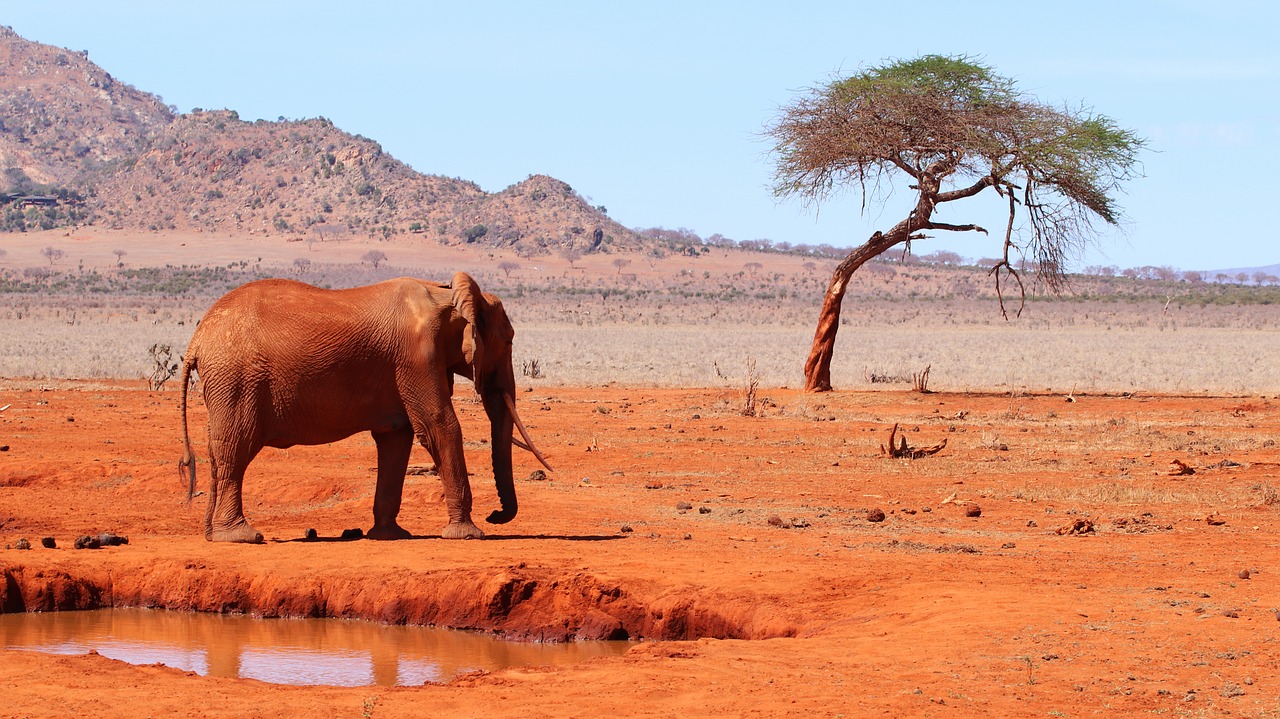
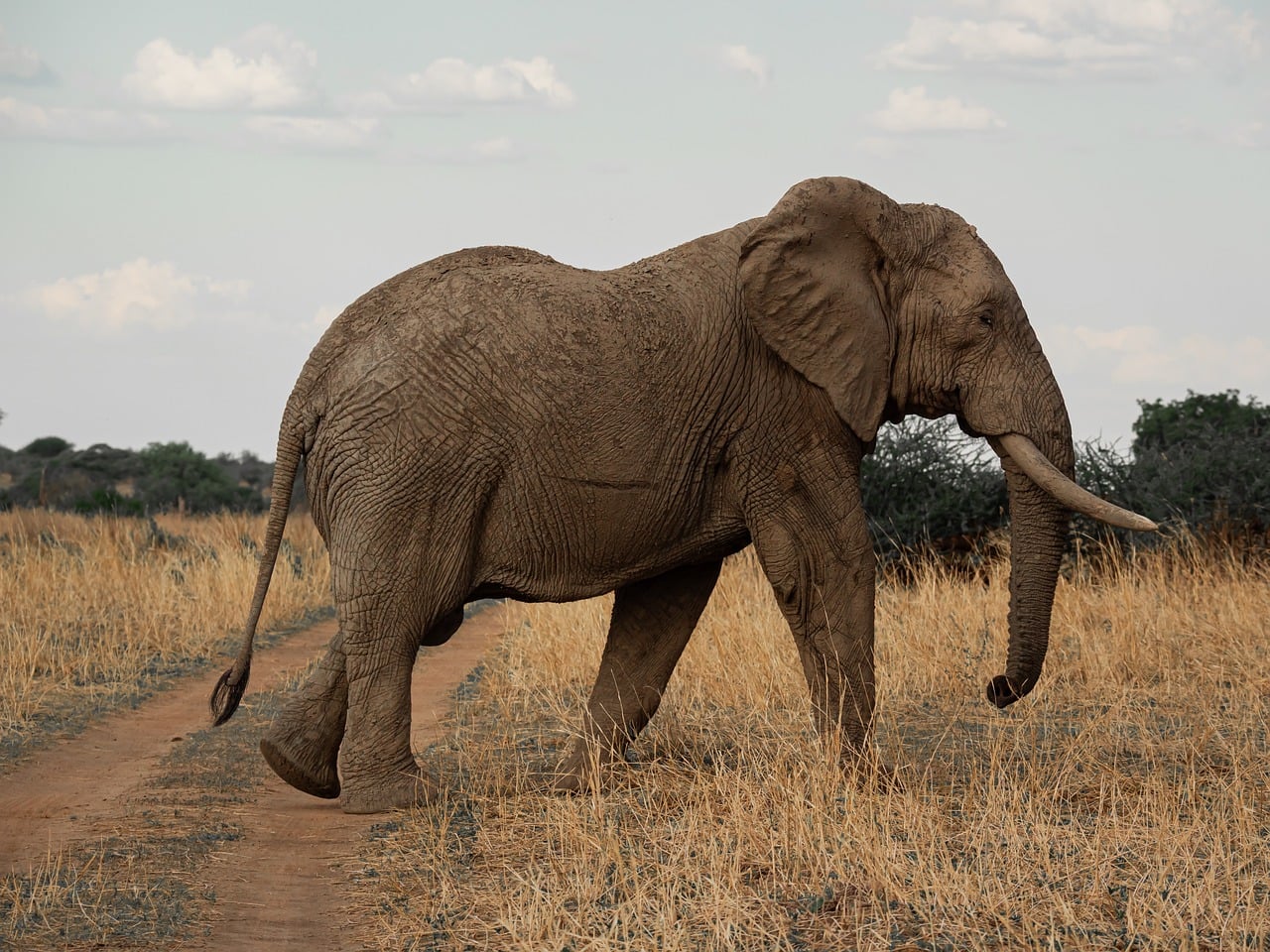
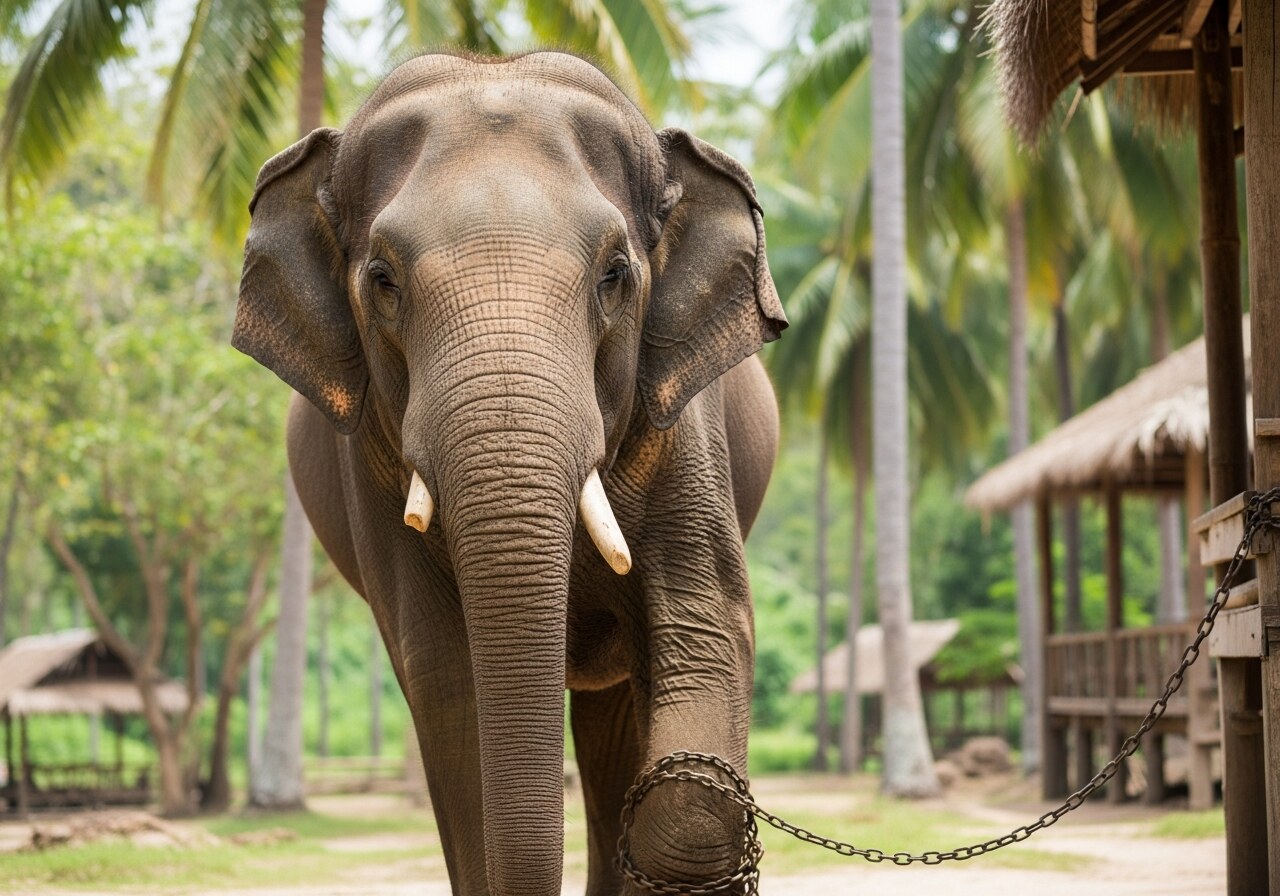
Appeals You Can Support in Rwanda
Back a specific cause for the animals of Rwanda. Every gift funds frontline rescue, veterinary care and humane coexistence work through our local partners.
Rwanda · Uganda
Save the Mountain Gorillas
Just over a thousand mountain gorillas remain — the only great ape whose numbers are rising. Fund partner-led veterinary response, snare removal and conflict mitigation in Rwanda and Uganda.
Support this appeal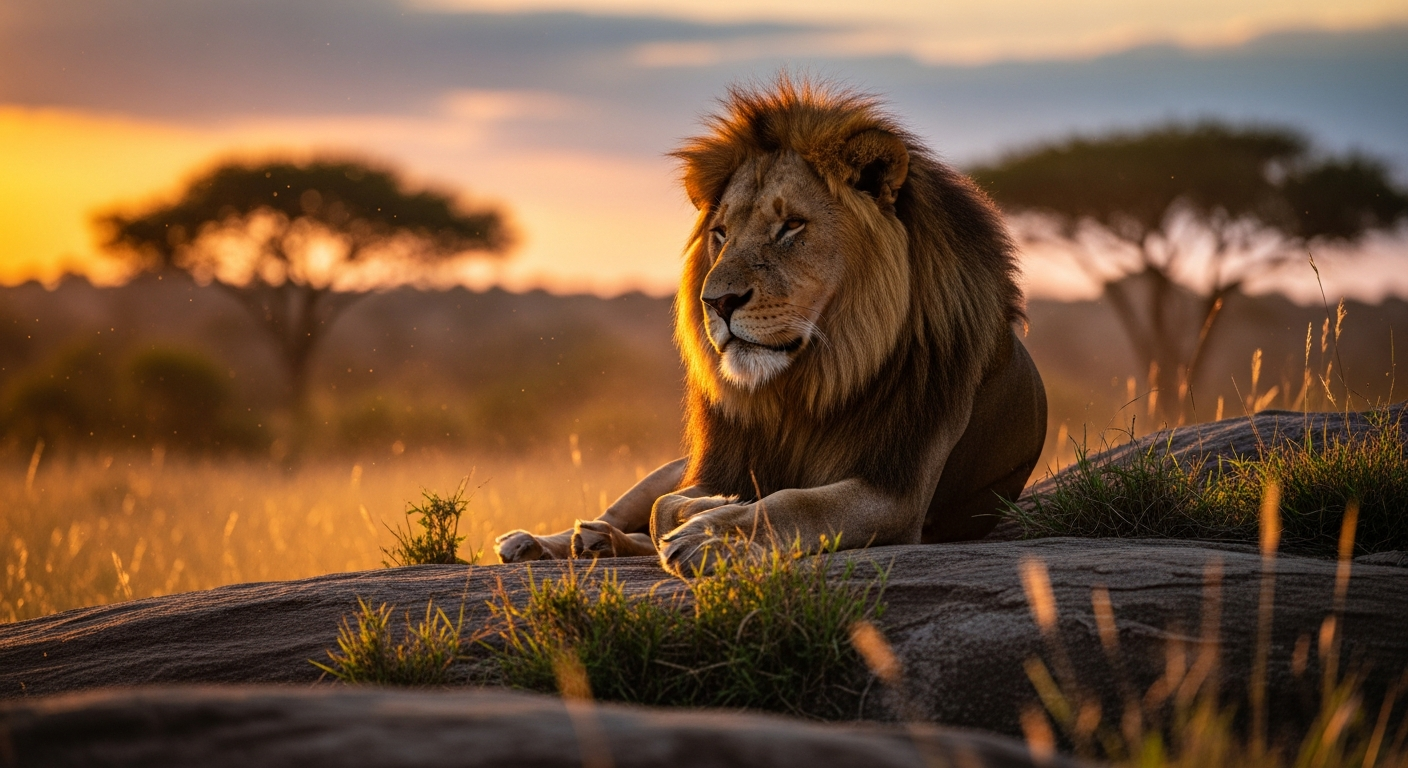
Kenya · Tanzania · South Africa
Protect Africa's Lions
Africa has lost roughly half its lions in 25 years. Fund partner-led snare response, conflict mitigation and sanctuary placement in Kenya, Tanzania and South Africa.
Support this appeal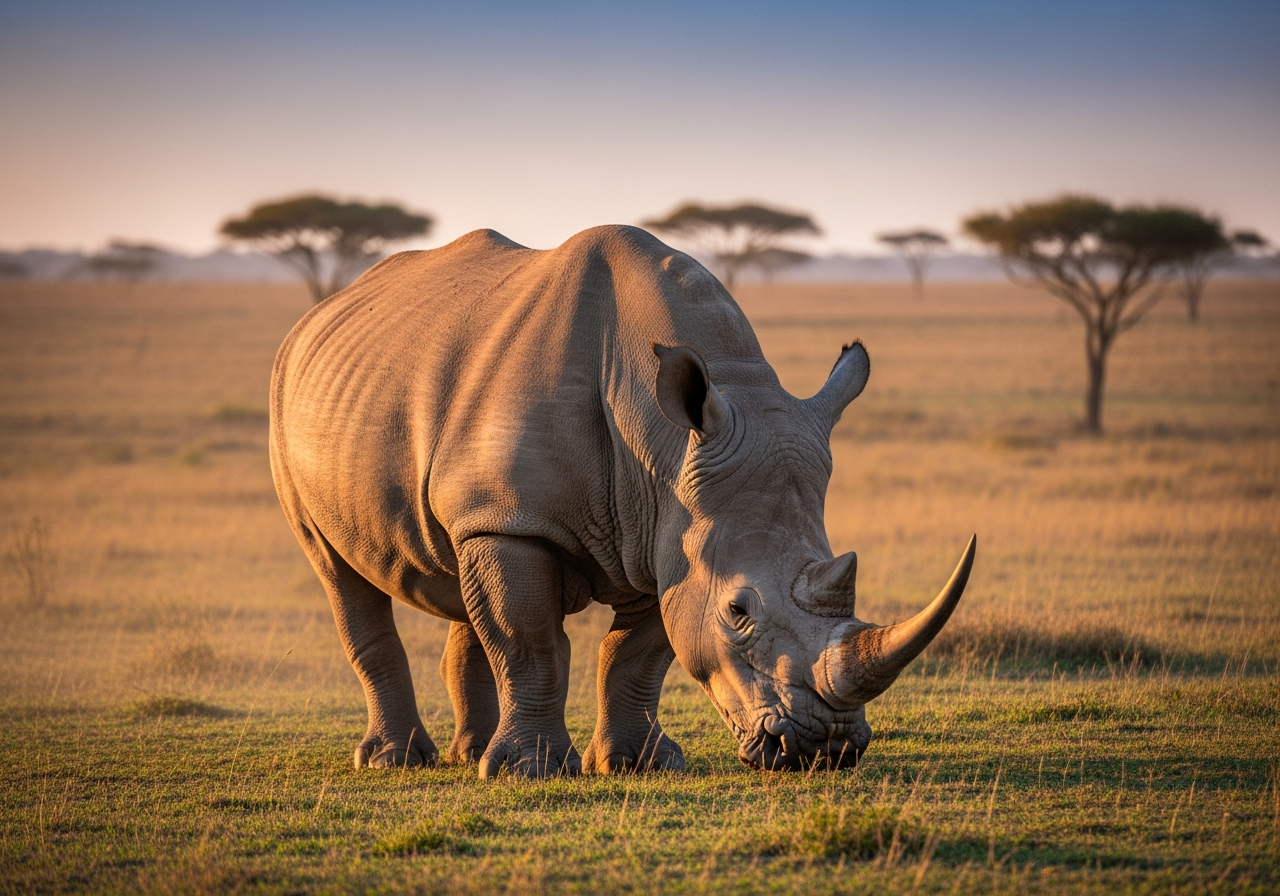
South Africa · Kenya · India · Nepal · Indonesia
Stop the Rhino Poaching Crisis
Rhinos are poached for horn made of keratin. Fund partner-led anti-poaching, veterinary response and orphan care in South Africa, Kenya, India, Nepal and Indonesia.
Support this appeal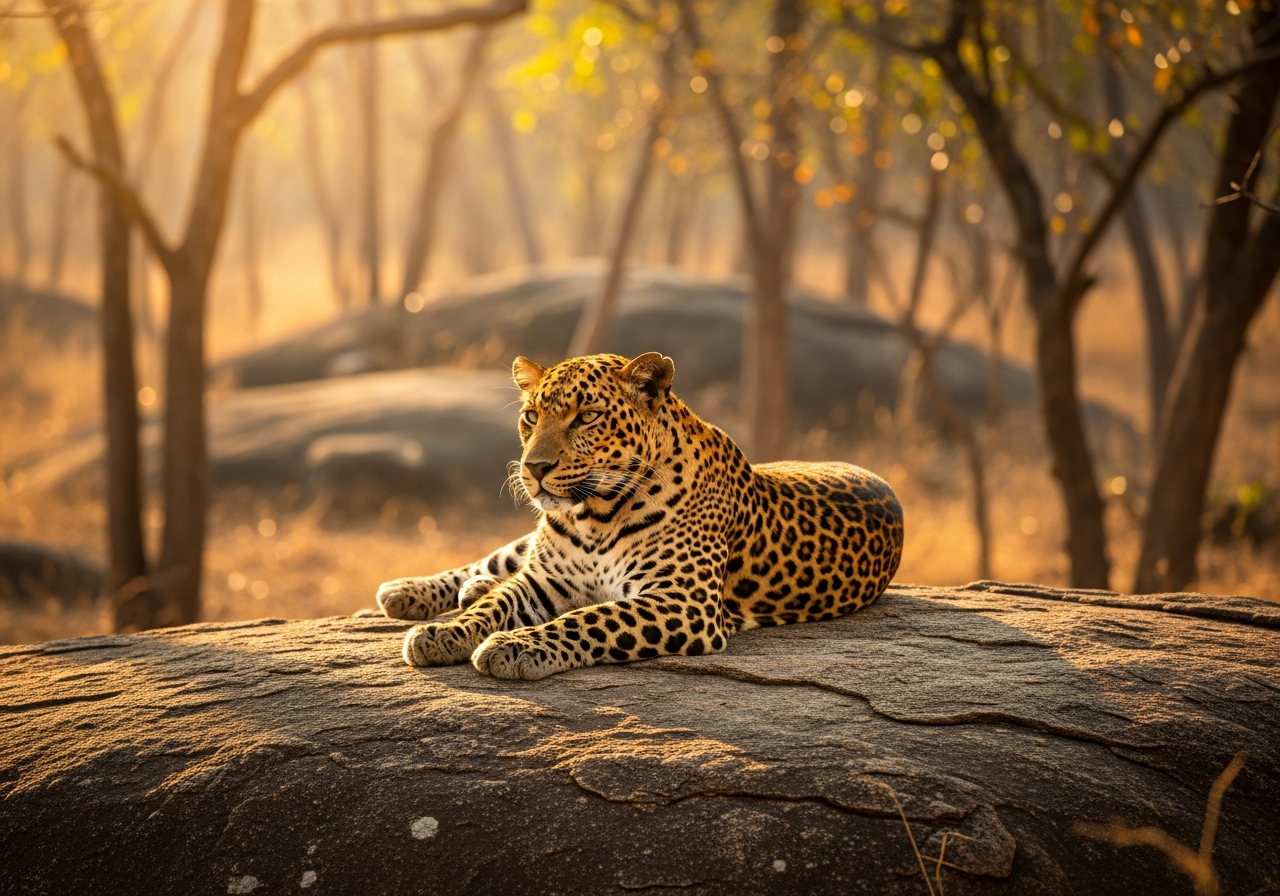
India · Sri Lanka · Kenya · Tanzania · South Africa
Save the Leopard
Snared, poisoned and trafficked, the leopard is one of the most persecuted big cats on earth. Fund partner-led snare response, conflict mitigation and rescue through grants in India, Sri Lanka, Kenya, Tanzania and South Africa.
Support this appealHelp the Animals of Rwanda
Your donation funds the rescue teams, sanctuaries, and programmes protecting wildlife and street animals across Rwanda.
Donate Now