Guide 1
Why Uganda matters for gorillas
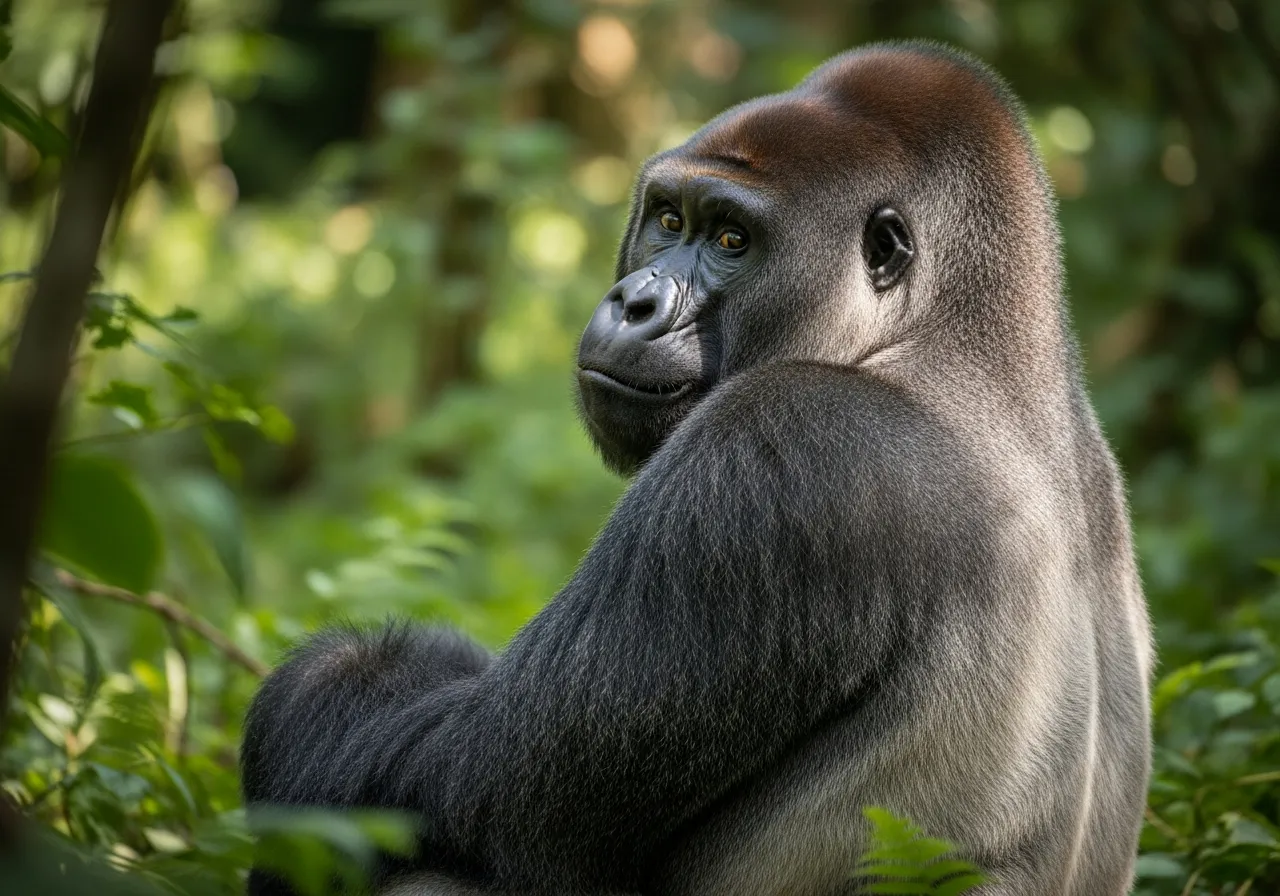
Roughly half the world's mountain gorillas live in Bwindi Impenetrable and Mgahinga Gorilla National Parks. Uganda shares the Virunga population with Rwanda and the DRC — the only great ape whose numbers are increasing, but still Endangered and entirely dependent on continued protection.
Guide 2
Snares, disease and conflict
Wire snares set for bushmeat maim and kill gorillas. Gorillas share much of our DNA and are acutely vulnerable to human respiratory disease — strict health protocols exist because a common cold can kill a gorilla. Dense human settlement at park edges drives crop raiding and conflict.
Guide 3
What WARN funds through partners
WARN makes grants to established Ugandan and regional organisations for veterinary response, snare removal and humane conflict mitigation. WARN does not run gorilla facilities, trekking operations or its own field teams.
Guide 4
UK Donor Route for Gorilla Conservation
Donate at gorilla appeal for partner grants covering veterinary response, snare removal and conflict mitigation in Bwindi and Mgahinga. Uganda and Rwanda both hold mountain gorilla populations within the 17-country network. See donate gorilla conservation for donor-intent search.
Guide 5
Disease Risk and Tourist Protocols
Mountain gorillas share much of our DNA and die from human respiratory infections. Strict health protocols — mask distance, illness screening — exist because a common cold can kill a gorilla. Partner care protocols respect these rules.
Guide 6
What Your Gift Buys on the Ground
Roughly £15–25 funds one street dog through catch, neuter, rabies vaccination and return in network countries. £100 supports a small clinic day. £500 helps stock quarantine after a trafficking seizure. Monthly gifts let partners plan multi-year CNVR instead of crisis-only response.