Conservation · Extinct in the Wild collection
Is the Socorro dove extinct in the wild?
Socorro dove lost its island in 1972 — invasive cats and sheep on Socorro Island, Mexico, drove the last wild birds extinct.
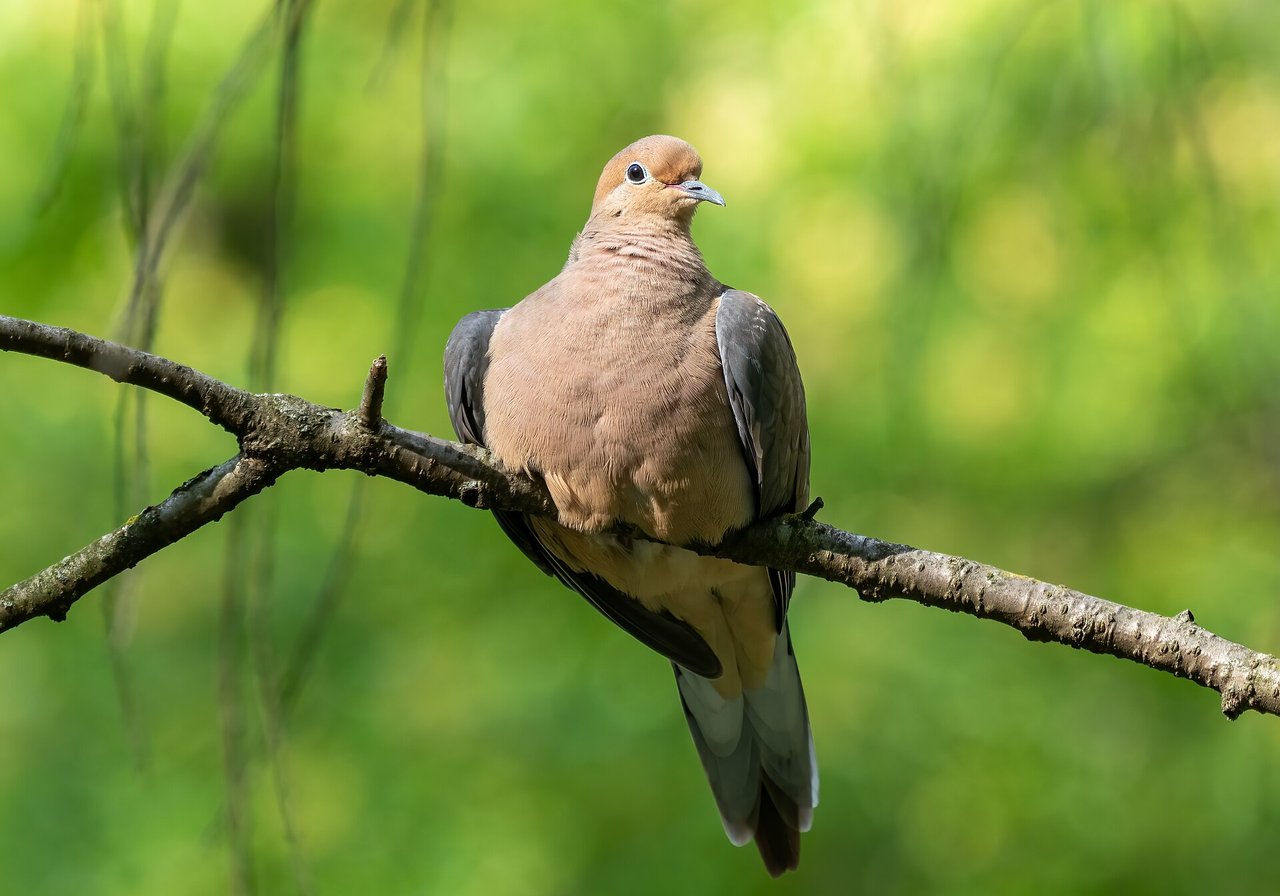
In brief
Yes. The Socorro dove (Zenaida graysoni) is Extinct in the Wild — last seen on Socorro Island, Mexico, in 1972 after habitat damage and predation by introduced cats and sheep.
By the WARN Research & Conservation TeamChecked against IUCN Red List & CITES sourcesLast updated
Socorro dove (Zenaida graysoni) is Extinct in the Wild — last seen on Socorro Island, Mexico, in 1972. Habitat damage and predation by introduced cats and sheep eliminated the endemic population. Captive zoos preserve the species. Reintroduction would require predator eradication and habitat restoration — island-scale ecosystem repair, not only aviary breeding.
EW
IUCN status — wild loss 1972
1972
Last wild Socorro dove recorded
Island
Socorro — Revillagigedo Archipelago, Mexico
Endemic
Evolved only on Socorro Island
Quick facts
| Island endemic | Evolved only on Socorro — small range amplified shocks |
|---|---|
| Invasive species | Cats and sheep — predation and habitat degradation |
| Captive | Zoo populations preserve genetics globally |
| Reintroduction | Needs predator removal and vegetation recovery |
| Related | Mourning dove relative — genus Zenaida |
| Pattern | Island endemics overrepresented in EW and Extinct lists |
Key takeaways
- EW since 1972 — last wild on Socorro Island, Mexico.
- Invasive cats and sheep drove decline.
- Captive zoos preserve species genetics.
- Reintroduction needs island predator eradication.
- Island endemics face disproportionate EW risk.
- Ecosystem repair beats aviary breeding alone.
Island extinction mechanism
Socorro dove evolved without mammalian predators — ground-foraging doves vulnerable to feral cats. Sheep trampled understory and altered forest structure. Human settlement brought rats and habitat clearance. Small island populations lack buffer — few thousand birds can vanish in years when invasives arrive. Last confirmed wild sighting 1972; declared Extinct in the Wild after surveys failed. Same archipelago hosts other endemics at risk — island biogeography predicts disproportionate extinction rates.
Captive preservation
Zoos in Europe and North America maintain breeding flocks — genetic management coordinates pairings. Captive doves behave differently from wild — reintroduction candidates need predator-aware behaviour, often requiring pre-release training and soft release pens. Husbandry simpler than macaw or parrot but still costly per bird. Without captive stock, species would be globally Extinct — EW distinction matters for funding narratives.
Reintroduction prerequisites
Successful island bird reintroductions — Seychelles magpie-robin, Mauritius kestrel — required eradicating invasive mammals from entire islands, sometimes taking years and millions of dollars. Socorro Island cat and sheep removal politically and logistically challenging — Mexican navy administers reserve; access restricted. Vegetation recovery follows predator removal — sheep exclusion lets forest regenerate. Until ecosystem repaired, releases fail — cats eat doves regardless of captive origin.
Island EW lesson for donors
Island endemics disproportionately appear in EW and Extinct categories because invasives and small range amplify shocks. Funding predator eradication on islands yields disproportionate species saved per hectare compared with mainland forest purchase — but requires multi-year commitment. Socorro dove reminds that EW species often need ecosystem-scale repair, not only breeding more captives. WARN EW collection contextualises species stories for donors evaluating where appeals match biology.