Conservation · Extinct in the Wild collection
Is the Spix’s macaw extinct in the wild?
Spix's macaw survives only in captivity — reintroduction to Brazil's Caatinga began in 2022 after the last wild bird vanished in 2000.
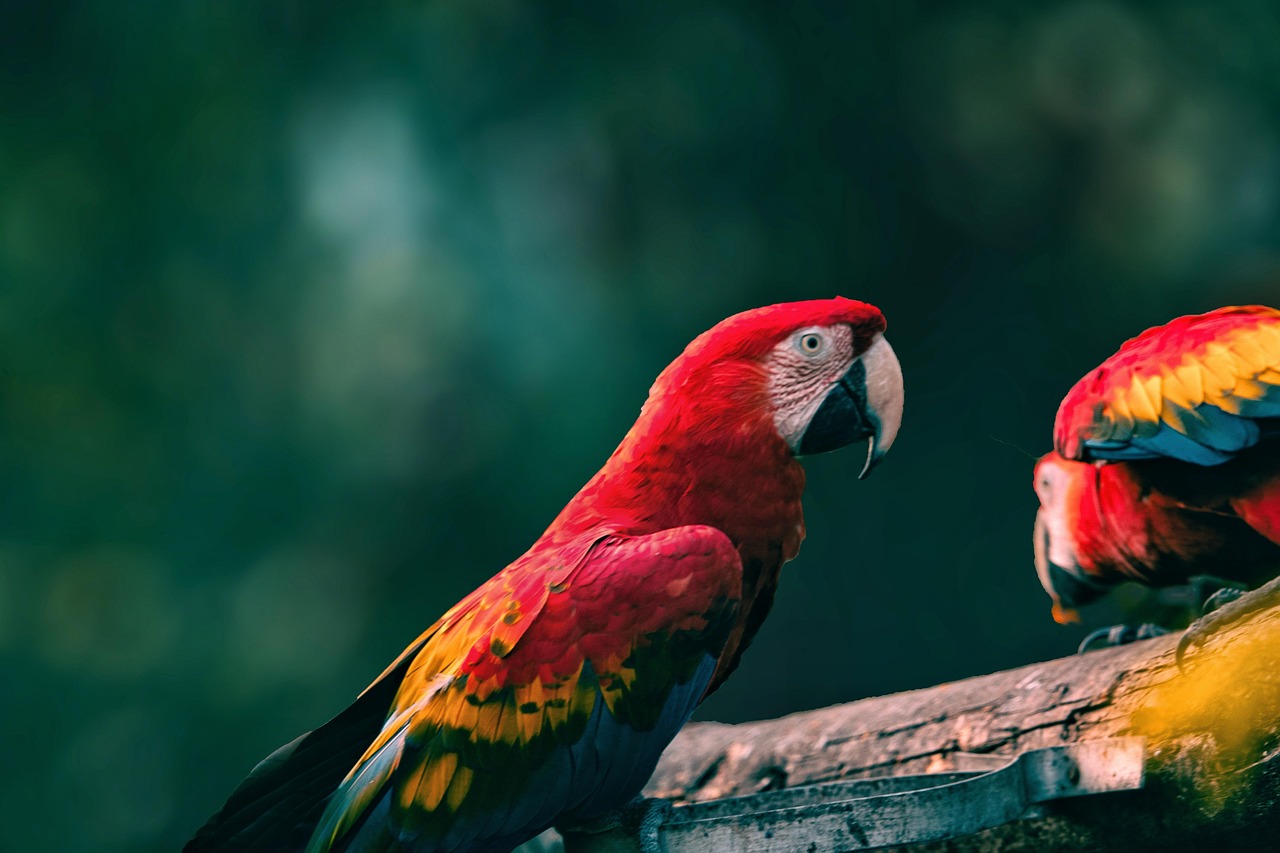
In brief
Yes. The Spix’s macaw (Cyanopsitta spixii) was listed as Extinct in the Wild by the IUCN in 2019 after the last known wild individual disappeared in 2000. Captive-bred releases began in Brazil’s Caatinga in 2022.
By the WARN Research & Conservation TeamChecked against IUCN Red List & CITES sourcesLast updated
The Spix's macaw (Cyanopsitta spixii) was listed Extinct in the Wild by IUCN in 2019. Habitat loss in Brazil's Caatinga and trapping for the illegal pet trade removed the last wild individual by 2000. Captive breeding from fewer than twenty founders built a population for release. Reintroduction requires habitat restoration and anti-trapping patrols — release alone is insufficient.
EW
IUCN status since 2019
2000
Last wild Spix's macaw lost
2022
Captive-bred releases to Caatinga began
<20
Founders in captive breeding programme
Quick facts
| Habitat | Caatinga dry forest — northeastern Brazil |
|---|---|
| Cause | Trapping for pet trade + habitat loss |
| Captive breeding | International programme from tiny founder pool |
| Reintroduction | Requires anti-poaching and habitat work |
| Symbol | Inspired Rio film — real recovery needs decades of funding |
| CITES | Appendix I — commercial wild trade banned |
Key takeaways
- IUCN Extinct in the Wild since 2019.
- Last wild bird lost 2000; captive breeding saved species.
- Releases from 2022 need habitat and anti-trapping.
- Tiny founder pool — genetic management critical.
- Pet trade drove extinction — CITES Appendix I.
- Recovery takes decades beyond single release events.
Path to Extinct in the Wild
Spix's macaw depended on caraibeira trees along Caatinga watercourses. Trapping for wealthy collectors accelerated decline through the twentieth century — by the 1980s only a handful remained. The last wild male paired with a released Illiger's macaw until he disappeared in 2000. Without wild birds, the species existed only in captivity — zoos and private breeders worldwide held the genetic rescue. IUCN reassessed to Extinct in the Wild in 2019, recognising no self-sustaining wild population.
Captive breeding challenge
Fewer than twenty founders created severe genetic bottleneck — inbreeding depression risk managed through careful pairing and genetic testing. Breeding success improved over decades as husbandry refined. Chicks require specialised hand-rearing and socialisation for release candidates. Each bird costs thousands annually to maintain — funding depends on government, NGOs and institutions. Captive insurance populations prevent total extinction but do not replace ecosystem function until birds breed in wild nests again.
Reintroduction requirements
Brazilian government and partners released captive-bred birds from 2022 into protected Caatinga fragments. Success demands predator control, nest box monitoring, supplementary feeding during drought and permanent anti-trapping teams — illegal trade incentives persist. Habitat restoration plants caraibeira corridors linking fragments. One release season does not equal recovery — parrots live decades; monitoring must run generations. EW downgrade on Red List requires proof of self-sustaining wild reproduction, not single-year survival.
Lessons for parrot conservation
Spix's macaw became global symbol after animated film Rio — awareness spiked but wild birds were already gone. Other parrots — Lear's macaw recovered from similar brink through habitat purchase and community engagement — show EW is not always permanent. Macaw trafficking continues across WARN network regions including Colombia parrot trade documented in newsroom briefings. Donors should fund field protection and habitat, not only captive breeding without release infrastructure.
What WARN does
WARN documents parrot trafficking in network regions and funds partner anti-trafficking and habitat work through the parrot appeal.