Conservation · Extinct in the Wild collection
Is the scimitar-horned oryx extinct in the wild?
Scimitar-horned oryx vanished from the Sahel in the 1990s — captive herds enabled reintroduction in Chad with satellite tracking.
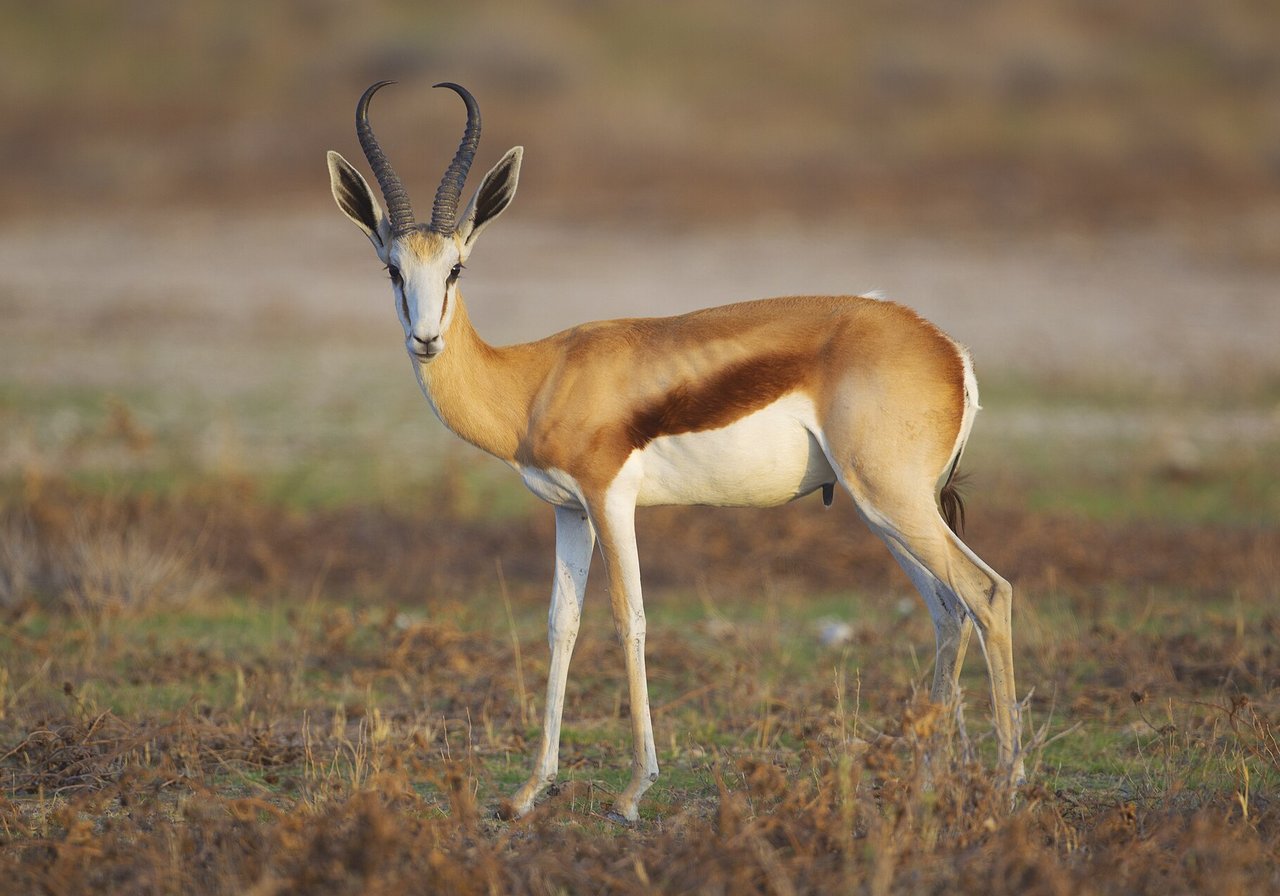
In brief
Yes. The scimitar-horned oryx (Oryx dammah) is Extinct in the Wild on the IUCN Red List — the last confirmed wild individuals vanished in the 1990s after war and overhunting in the Sahel.
By the WARN Research & Conservation TeamChecked against IUCN Red List & CITES sourcesLast updated
The scimitar-horned oryx (Oryx dammah) is Extinct in the Wild on the IUCN Red List — last confirmed wild individuals disappeared after war and overhunting in the Sahel. Zoos and private reserves preserved the species. Reintroduction programmes in Chad released hundreds with satellite collars. Long-term success needs restored grazing systems, poaching control and community support — EW is not always permanent when funding persists.
EW
IUCN status — wild Sahel loss 1990s
200+
Oryx reintroduced to Chad (programme total)
0
Wild individuals before reintroduction
Sahel
Historic range — Senegal to Sudan
Quick facts
| Cause | Overhunting and civil conflict in Sahel |
|---|---|
| Captive rescue | Zoo and private herds worldwide saved species |
| Reintroduction | Chad and Tunisia programmes with tracking |
| Horns | Long curved horns — hunting target |
| Habitat | Desert and semi-desert grazing systems |
| Hope | EW downgrade possible if wild births sustain |
Key takeaways
- EW in Sahel since 1990s — hunting and conflict.
- Captive breeding prevented total extinction.
- Chad reintroduction with satellite tracking ongoing.
- Wild calf births mark progress toward recovery.
- EW category can change if populations self-sustain.
- Long-term funding beats one-off release events.
Sahel decline
Scimitar-horned oryx once ranged across Sahel from Senegal to Sudan — herds of hundreds followed rainfall and grazing. Mechanised hunting and rifles decimated populations mid-twentieth century; Chad and Niger losses accelerated during conflict when protection collapsed. Last wild oryx vanished by 1990s — declared Extinct in the Wild on IUCN Red List. Desert antelope barely registered in Western media compared with rhinos — yet total wild loss occurred within one human generation.
Captive insurance populations
Zoos in UAE, Europe and North America maintained breeding herds — genetic management coordinated across institutions. Private game ranches also held stock. Without captive propagation, species would be globally Extinct — not merely EW. Founder representation from multiple lineages reduces inbreeding. Captive herds teach that EW category means wild loss, not species gone — but captivity alone does not restore grazing ecology or predator–prey dynamics of Sahel grasslands.
Chad reintroduction
Government of Chad and Environment Agency–Abu Dhabi released oryx into Ouadi Rimé-Ouadi Achim Faunal Reserve with satellite monitoring. Calves born in wild mark progress toward self-sustaining population — IUCN may reassess if trends hold decades. Poaching and drought remain risks; ranger salaries and community buy-in determine persistence. Reintroduction costs exceed initial captive breeding — vehicles, vets, collars, water infrastructure for arid landscape.
EW as reversible category
Scimitar-horned oryx demonstrates IUCN Extinct in the Wild is not a tombstone — with habitat, law enforcement and money, wild function returns. Père David's deer and Arabian oryx offer parallel narratives with different outcomes. Donors must commit long horizons — antelope generations measure success, not quarterly reports. WARN EW collection links species stories to habitat appeals where Sahel and arid land partner work overlaps drought and anti-poaching themes.