Wildlife
How many parrots are trafficked each year?
Conservation bodies estimate more than 75,000 wild parrots and birds are trafficked internationally each year — and the true figure is likely far higher.
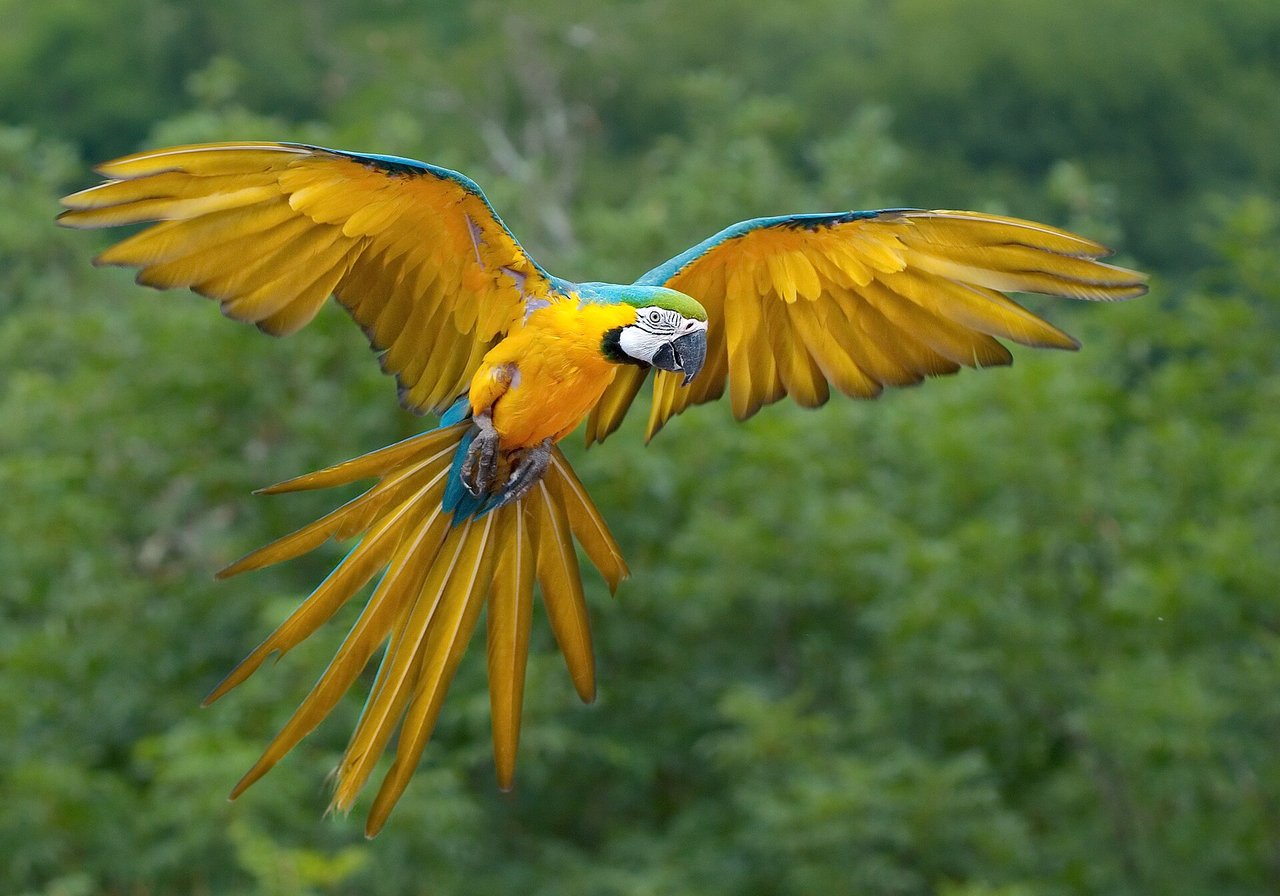
In brief
Conservation bodies estimate more than 75,000 parrots and other wild-caught birds are trafficked internationally each year, though the true figure is likely higher because much trade is undocumented.
By the WARN Research & Conservation TeamChecked against IUCN Red List & CITES sourcesLast updated
Parrots are among the most seized birds in wildlife enforcement raids worldwide. Chicks are smuggled in tubes, luggage and cargo holds; mortality before sale is high. CITES regulates international trade — many parrot species are on Appendix I, prohibiting commercial export of wild-caught birds. Demand for pet parrots, feathers and status symbols drives trafficking across South America and Southeast Asia, where WARN documents partner-led rescue and rehabilitation work.
75K+
Parrots & wild birds trafficked yearly (est.)
400+
Parrot species worldwide
1/3
Parrot species threatened (IUCN / BirdLife)
Appendix I
CITES protection for many threatened species
Quick facts
| Annual estimate | 75,000+ wild-caught birds in international trade — likely undercount |
|---|---|
| CITES | Appendix I bans commercial export of wild-caught birds for many species |
| Smuggling methods | Chicks in tubes, sedated adults in luggage, falsified permits |
| Mortality | High death rates during capture, transport and early captivity |
| Demand drivers | Pet trade, feathers, status symbols, social media sales |
| Hotspots | South America, Central America, Southeast Asia, West Africa |
Key takeaways
- An estimated 75,000+ wild parrots trafficked internationally each year — likely an undercount.
- CITES Appendix I prohibits commercial export of wild-caught birds for many species.
- Chicks smuggled in tubes and luggage — mortality before sale is high.
- “Captive bred” labels are often falsified to launder wild-caught birds.
- Social media has become a primary illegal sales channel worldwide.
- Seized birds need specialist avian veterinary care and rehabilitation capacity.
Scale of the illegal parrot trade
BirdLife International and CITES seizure data suggest more than 75,000 parrots and other wild-caught birds enter illegal international trade annually — but researchers acknowledge this is a floor, not a ceiling. Most trade evades detection: social media sales, domestic markets and falsified captive-bred documentation dwarf recorded seizures. South American species — macaws, amazons, conures — supply pet markets in North America, Europe and Asia. Southeast Asian parrots face parallel pressure. Spix’s macaw became Extinct in the Wild largely from trapping; reintroduction from captive breeding continues in Brazil. Every confiscated bird represents many more that died unseen in the supply chain.
How birds are smuggled
Traffickers use cruel, efficient methods. Chicks are pulled from nests and stuffed into PVC tubes or rolled in towels inside luggage. Adults may be sedated and taped to smugglers’ bodies or hidden in cargo holds without food or water. Mortality rates during transport often exceed 50%. “Captive bred” labels are routinely falsified — wild chicks are laundered through fake breeding facilities. Online marketplaces on social media platforms have become primary sales channels, outpacing many enforcement budgets. CITES permits are forged or misapplied to species listed on Appendix II with weaker restrictions.
CITES protection and gaps
CITES Appendix I prohibits commercial international trade in wild-caught specimens of listed species — including scarlet macaw, hyacinth macaw and many amazon parrots. Appendix II allows regulated trade with permits, creating loopholes traffickers exploit by claiming captive origin. The 2007 EU ban on wild bird imports reduced legal trade but shifted demand to illegal channels. National enforcement varies: some countries lack wildlife-crime units trained in bird identification. Seizure response requires avian veterinary expertise — dehydrated, traumatised birds need immediate specialist care, not standard animal shelters.
Rescue and rehabilitation
Confiscated parrots often arrive with broken wings, malnutrition and psychological trauma from isolation. Rehabilitation centres with flight aviaries and species-appropriate diets can prepare birds for release where habitat exists — or provide lifetime sanctuary when release is impossible. Breeding-for-release programmes like the Spix’s macaw project require decades of funding, habitat restoration and anti-trapping patrols. Pet-demand reduction in consumer countries is as important as source-country enforcement. Donors funding avian veterinary care, flight enclosures and release monitoring address a rescue gap that seizures create but governments rarely budget for.
What WARN does
WARN documents parrot trafficking in Colombia and Southeast Asia and links donors to partner rescue programmes — avian veterinary triage, flight aviaries and anti-trapping patrols supporting confiscated birds and release where habitat allows.