Trafficking
What are the most trafficked animals?
Pangolins are widely cited as the most trafficked mammal — parrots, elephants, big cats and turtles follow in global seizure records.
In brief
Pangolins are widely cited as the most trafficked mammal. Parrots, elephants (for ivory), big cats, turtles, reptiles and primates are also among the highest-volume illegal wildlife trades.
By the WARN Research & Conservation TeamChecked against IUCN Red List & CITES sourcesLast updated
Trafficking patterns vary by region: pangolins and songbirds in Asia, parrots and jaguars in Latin America, ivory and bushmeat in Africa. CITES annual reports and UNODC analyses document seizure volumes — though detected trade is a fraction of true volume. Scale matters for enforcement prioritisation, but every confiscated individual still needs rescue capacity. WARN documents species-specific routes and links donors to targeted appeals.
1M+
Pangolins poached in one decade
75K+
Wild parrots trafficked yearly (est.)
20K
Elephants killed annually at poaching peak
Appendix I
CITES — pangolins, most great apes, many parrots
Quick facts
| Most trafficked mammal | Pangolins — all eight species on CITES Appendix I |
|---|---|
| Most trafficked birds | Parrots — chicks smuggled globally for pet trade |
| Ivory | African elephants — forest species Critically Endangered (IUCN 2021) |
| Big cats | Tiger bones, jaguar parts, lion bone — medicine and trophy demand |
| Reptiles | Turtles, tortoises, pythons — pets and bushmeat |
| Regional variation | Asia: scales and songbirds; Africa: ivory and bushmeat; Americas: parrots and cats |
Key takeaways
- Pangolins — most trafficked mammal; 1M+ poached in one decade.
- Parrots — 75,000+ trafficked yearly; chicks smuggled in tubes.
- Elephant ivory and rhino horn — organised crime; forest elephants CR.
- Big cats — tiger, jaguar, lion parts for medicine and trophies.
- Trade patterns vary: Asia scales/birds, Africa ivory/bushmeat, Americas parrots.
- Every confiscated individual needs rescue capacity regardless of global ranking.
Pangolins: the leading mammal
All eight pangolin species are listed CITES Appendix I after catastrophic trade volumes — an estimated one million or more taken from the wild in a single decade. Scales sell for traditional medicine despite keratin having no proven clinical value. Africa increasingly supplies Asian demand as Asian populations collapse. Seizures of multi-tonne scale shipments make headlines, but live trafficking and domestic markets continue. Every species is threatened on the IUCN Red List. Rescue of live confiscations requires specialist centres — pangolins die quickly in standard facilities.
Parrots and songbirds
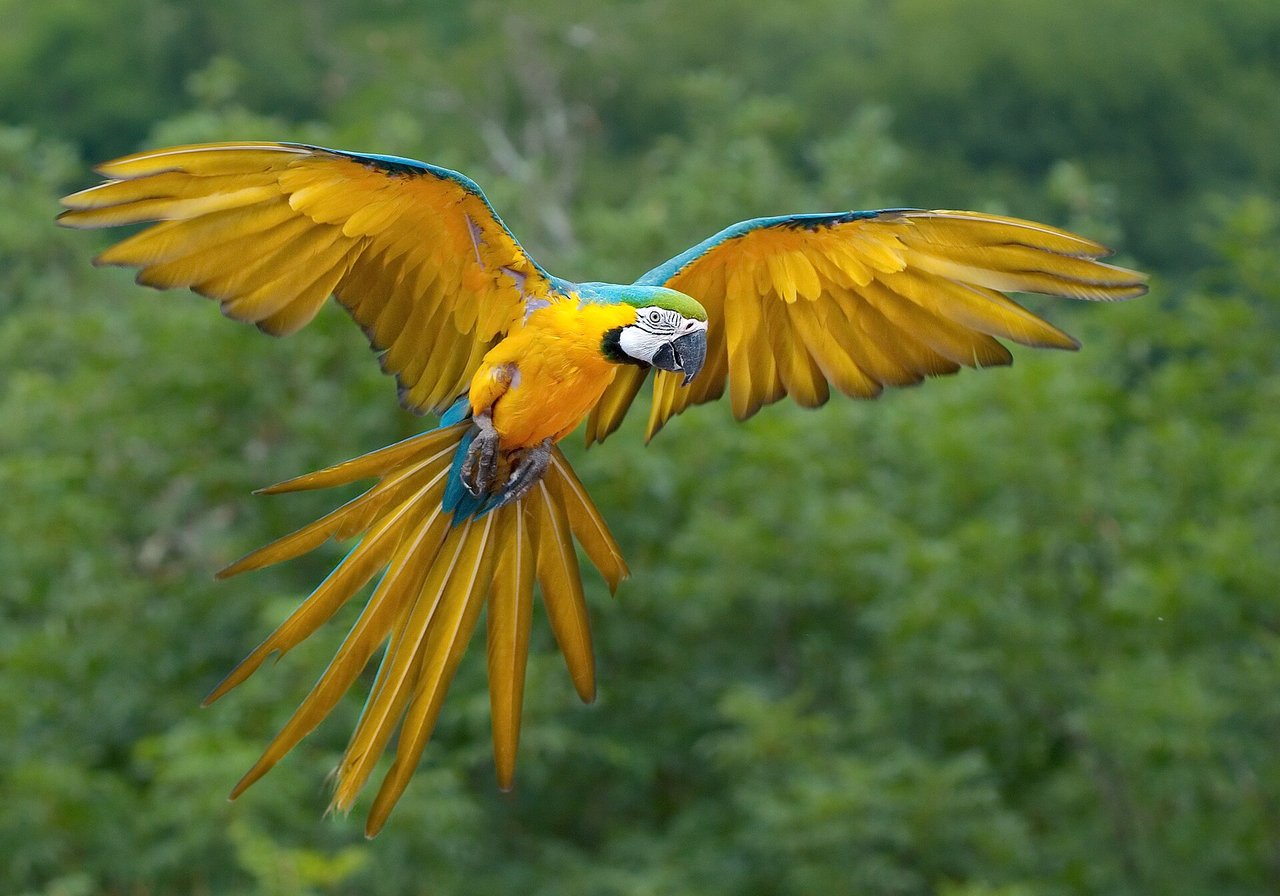
Parrots rank among the most seized birds globally — an estimated 75,000 or more trafficked internationally each year, likely an undercount. Scarlet and hyacinth macaws, African greys and amazon species appear repeatedly in raids. Chicks are smuggled in tubes; mortality is high. Songbird competitions in Southeast Asia drive trapping of wild birds for voice and plumage. CITES Appendix I protects many parrot species from commercial wild export, but laundering as captive-bred persists. Colombia and Brazil are major source countries; WARN documents parrot trade and links to rehabilitation appeals.
Elephants, rhinos and big cats
Ivory from African elephants — especially forest elephants, now Critically Endangered — and rhino horn from African and Asian rhinos feed Asian medicine and carving markets despite no proven efficacy. Tiger bone, jaguar parts and lion bone substitute for tiger in some markets. CITES Appendix I bans international commercial trade in tiger, rhino and African elephant ivory. Poaching syndicates use corruption, helicopters and automatic weapons. Anti-poaching patrols and demand reduction campaigns reduced elephant poaching in some regions but forest elephant decline continues in Central Africa.
Turtles, reptiles and lesser-known victims
Turtles and tortoises are trafficked as pets and food — radiated tortoises from Madagascar, star tortoises from India, hawksbill shells for tortoiseshell. Snakes and lizards fill exotic pet demand. Rosewood and ebony timber trafficking destroys habitat for countless species simultaneously. Scale should not obscure individual suffering: a single confiscated slow loris or pangolin needs veterinary care regardless of global seizure rankings. WARN’s appeals target species where partner rescue capacity exists — parrots, pangolins, moon bears — while newsroom briefings cover broader trade patterns.
What WARN does
WARN links donors to species-specific appeals — parrots in Colombia, pangolins in Malaysia, moon bears in Vietnam — and publishes newsroom briefings on regional trade routes documented by partners.