Conservation
What is a wildlife corridor?
Wildlife corridors connect isolated habitat patches so animals can feed, breed and escape drought without crossing deadly roads.
In brief
A wildlife corridor is a strip or network of habitat connecting otherwise isolated populations — letting animals move to feed, breed and escape drought or fire without crossing busy roads or farmland.
By the WARN Research & Conservation TeamChecked against IUCN Red List & CITES sourcesLast updated
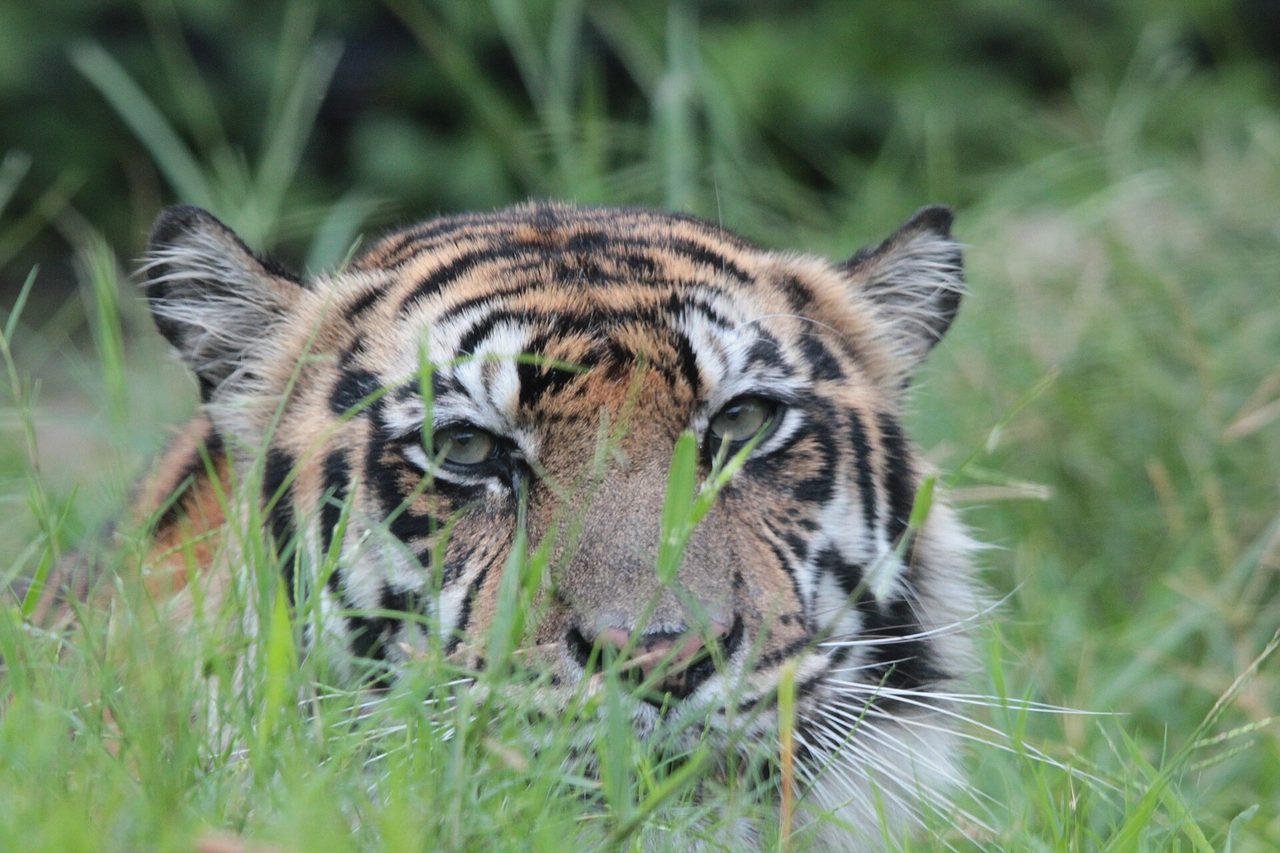
Fragmentation turns continuous forest into islands — inbreeding and local extinction rise. Corridors are natural river valleys or restored fence lines, underpasses beneath highways and reforested links. Tigers, elephants and jaguars need large connected range. Camera traps show species use narrow forest strips if vegetation continuous. Land purchase and community agreements fund corridor work WARN describes in habitat appeal.
Connectivity
Core goal — gene flow between populations
Highways
Major barrier — underpasses reduce roadkill
Large cats
Tigers, jaguars — corridor-dependent
IUCN
Connectivity conservation specialist group
Quick facts
| Definition | Habitat link between otherwise isolated patches |
|---|---|
| Natural | River valleys, ridgelines, coastal mangrove strips |
| Built | Wildlife underpasses, overpasses, culvert upgrades |
| Species | Elephants, tigers, jaguars, bears — wide-ranging |
| Evidence | Camera traps document use when cover continuous |
| Funding | Land purchase, easements, community agreements |
Key takeaways
- Corridors link habitat fragments for safe movement.
- Highways and farms are common barriers — underpasses help.
- Large mammals especially need connected range.
- Camera traps confirm corridor use when cover continuous.
- Reduces human–wildlife conflict when routes bypass villages.
- WARN habitat appeal funds partner corridor projects.
Why fragmentation kills populations
Small isolated park holds limited breeders — tiger population under roughly twenty adults risks inbreeding depression. Elephants in fragment raid crops — retaliatory killing. Jaguar highway strike kills dispersing males seeking new territory. Genetic drift fixes harmful alleles — Florida panther introduced Texas cougar genes restored vigor example of connectivity failure cost. Minimum area requirements scale with body size — corridors effectively enlarge usable habitat without single massive purchase.
Types of corridors
Riparian forest along rivers survives when upland cleared — elephants and orangutans use river edges. Ridgeline forest links mountain patches for snow leopards. Underpasses beneath highways — Banff National Park documented carnivore and ungulate crossing success. Overpasses vegetated for wary species. Rural fence lines reforested create stepping stones. Powerline rights-of-way managed as meadow corridor for pollinators — scale varies by species. Design must match target animal — fish need river connectivity not forest bridge.
Human–wildlife conflict reduction
Elephants using corridor bypass villages — if corridor maintained. Without corridor animals forced through farmland — conflict spikes. Early warning SMS systems complement physical corridors in India and Africa. Jaguar corridors in Latin America target highway expansion hotspots — WARN jaguar appeal references partner corridor programmes in Brazil and Colombia. Conflict reduction saves human and animal lives — economic argument for corridor funding alongside biodiversity.
Funding and WARN work
Corridor purchase expensive — competing with palm oil land price in Sumatra. Easements cheaper — legal restriction on clearing while land stays titled to community. Indigenous managed corridors emerging model. WARN habitat appeal describes partner projects connecting fragments — donors fund surveys, land lease and patrol not abstract “awareness.” Success measured in camera trap crossings and breeding genetics — multi-year commitment required.
What WARN does
WARN habitat and tiger appeals fund partner corridor and patrol work where elephants, tigers and jaguars cross fragmented tropical forest.