Conservation · Mammal facts hub
How many mammal species are threatened?
More than 1,300 mammal species are Vulnerable, Endangered or Critically Endangered on the IUCN Red List.
In brief
The IUCN Red List assesses more than 1,300 mammal species as threatened (Vulnerable, Endangered or Critically Endangered) — roughly one in four mammals evaluated.
By the WARN Research & Conservation TeamChecked against IUCN Red List & CITES sourcesLast updated
The IUCN Red List assesses extinction risk using quantitative criteria — population decline, range size, fragmentation. More than 1,300 mammal species are threatened — roughly one in four mammals evaluated. Primates, cetaceans and big cats appear frequently; rodents and bats contain hidden rarities too. Categories update as populations recover or crash — conservation action moves species between tiers over time.
1,300+
Mammal species threatened (VU, EN, CR)
6,400+
Living mammal species total
60%
Primates threatened — highest mammal group share
150K+
All species on Red List across kingdoms
Quick facts
| Categories | Vulnerable, Endangered, Critically Endangered — before EW and EX |
|---|---|
| Assessed | Not all mammals evaluated — Not Evaluated ≠ safe |
| Primates | ~60% threatened — highest proportion |
| Drivers | Habitat loss, hunting, climate change, bycatch |
| Updates | Reassessed as data improve — status can change |
| Global total | 42,000+ threatened species all taxa — IUCN 2024 summary |
Key takeaways
- 1,300+ mammal species threatened on IUCN Red List.
- ~One in four assessed mammals in threatened categories.
- Primates have highest share threatened.
- Habitat loss and hunting dominate terrestrial threats.
- Red List status updates — recovery possible with action.
- Not Evaluated species may still face severe risk.
How IUCN counts threatened mammals
Specialist groups assess species against published criteria — extent of occurrence shrinking, population reduction over three generations, small population size and continuing decline. Vulnerable is least severe threatened tier; Critically Endangered faces extremely high extinction risk. Data Deficient means insufficient information — not a clean bill of health. Not Evaluated species may be equally imperilled but unstudied — many tropical rodents and bats lack assessments. Summary statistics aggregate assessed species only — true threat may exceed published totals.
Which mammals rank highest
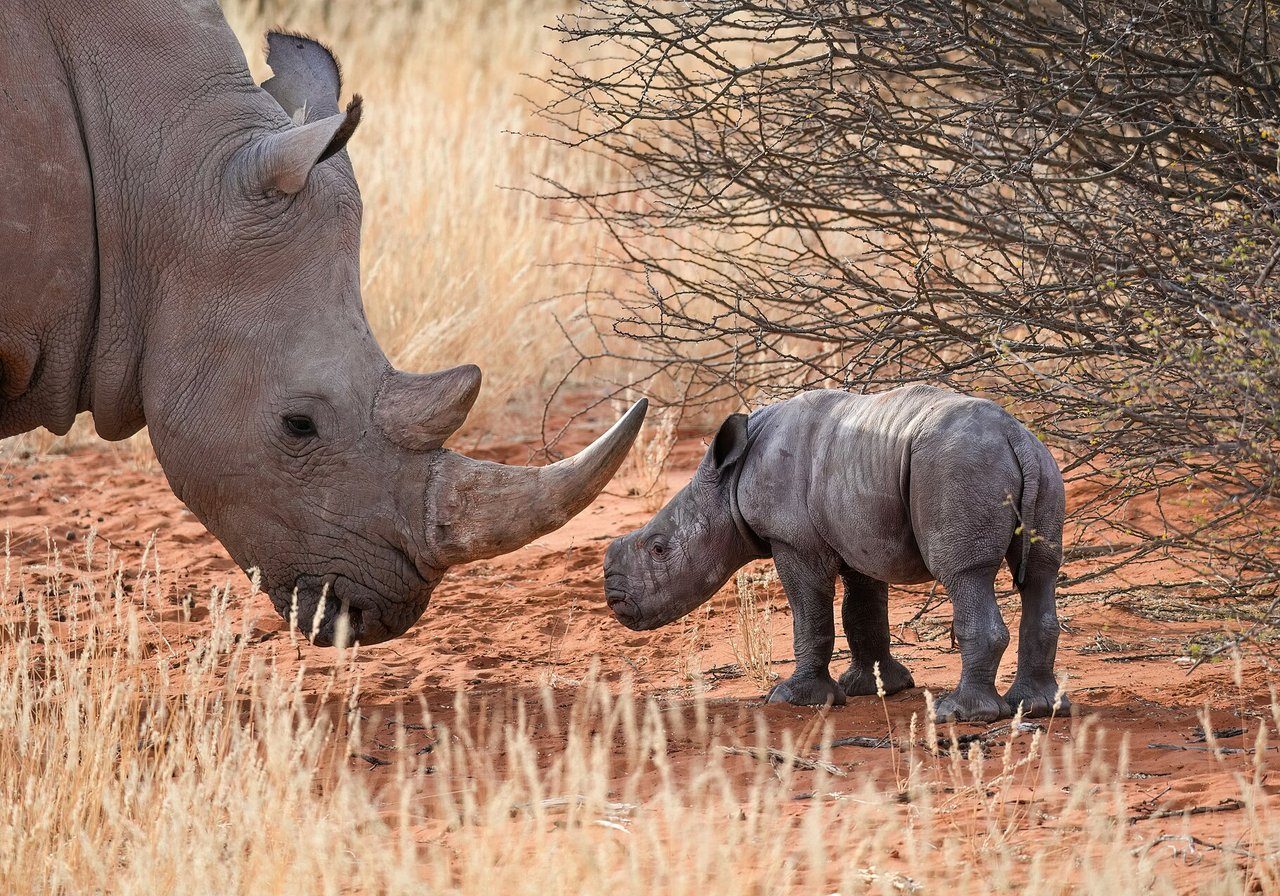
Primates lead proportion threatened — orangutans, lemurs, gorillas. Cetaceans — river dolphins Critically Endangered. Big cats — tiger Endangered, others Vulnerable. Rhinos and pangolins Critically Endangered from poaching. Rodents and bats include island endemics with tiny ranges — less famous but equally Extinct in the Wild candidates. Megafauna attracts funding; microfauna extinction removes ecosystem functions unnoticed until collapse.
Regional patterns
Tropical deforestation concentrates threat in Southeast Asia, Central Africa and Amazonia. Montane species shift upslope until summits trap them — climate change driver. Polar and marine mammals face sea ice loss and bycatch. Developed nations show recoveries — wolf, bison, beaver — alongside local extirpations still unreversed. Global totals hide winners and losers — donor strategy targets Critically Endangered with actionable habitat and enforcement pathways.
Can categories improve?
Southern white rhino recovered from near extinction with intensive protection — IUCN status improved though not secure. Bald eagle delisted in US after DDT ban and protection. Humpback whales rebounded under whaling moratorium. Improvement requires sustained funding over decades matching species biology. Red List is snapshot — trend direction matters as much as current category. WARN cites status and year on wildlife guides so readers know if data are current.