South Asia
Sri Lanka
Sri Lanka packs an extraordinary density of wildlife into a small island — its own endemic leopard, one of Asia's largest elephant populations relative to land area, and globally i
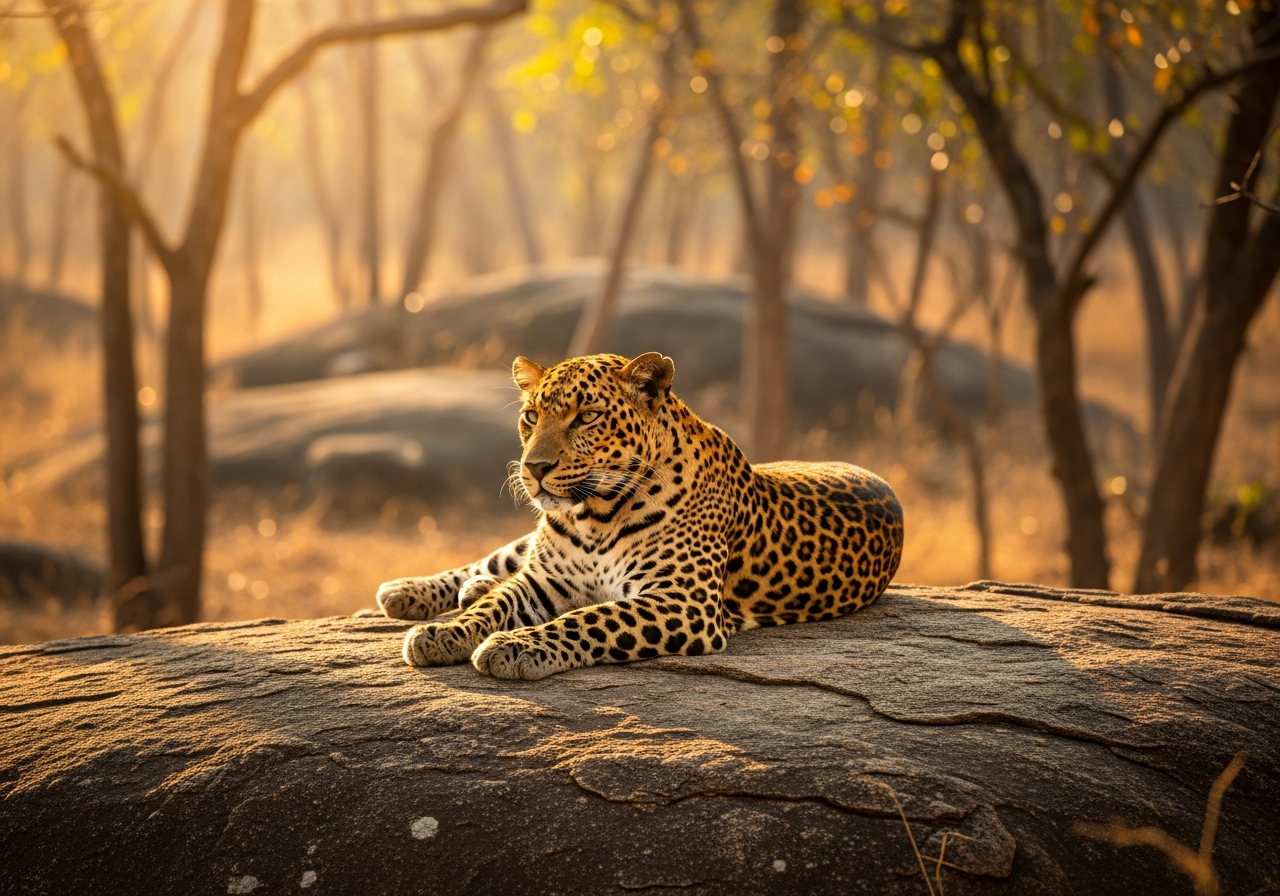
Sri Lanka is an Indian Ocean island with an endemic leopard subspecies, a large Asian elephant population, sloth bears and pangolins, and seas important for blue whales and dugongs; its defining welfare issue is human-elephant conflict, which kills hundreds of elephants and dozens of people every year.
Key Facts About Sri Lanka
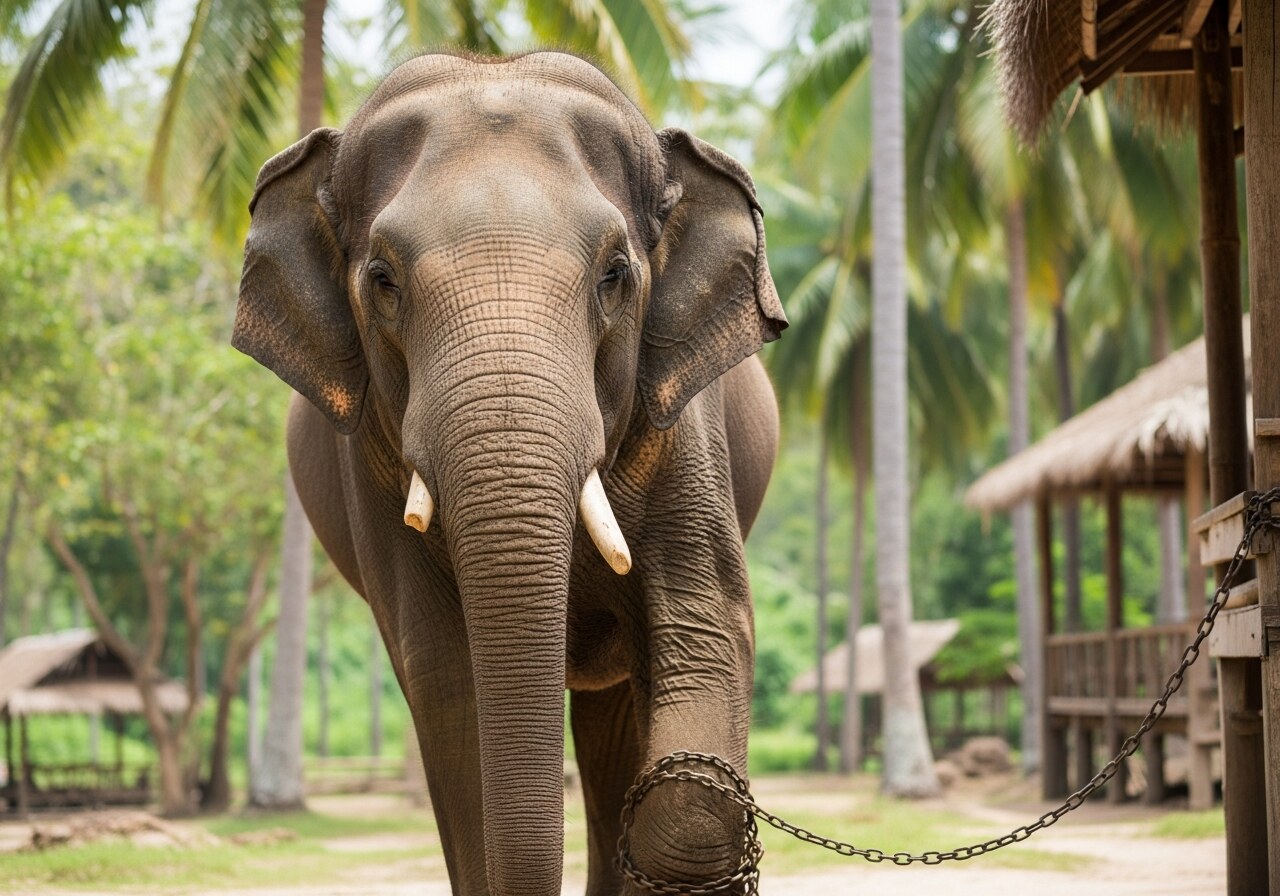
- Sri Lanka has one of the highest densities of Asian elephants of any range state.
- Human-elephant conflict kills several hundred elephants and dozens of people each year — among the worst in the world.
- The Sri Lankan leopard is an endemic subspecies found nowhere else.
- Its waters are globally important for blue whales, with associated ship-strike and entanglement risks.
- WARN's planned Sri Lanka work would fund partner conflict-mitigation, veterinary and rescue capacity.
- Human-elephant conflict kills several hundred elephants and dozens of people each year.
- The Sri Lankan leopard is an endemic subspecies found nowhere else.
What is the wildlife situation in Sri Lanka?
For its size, Sri Lanka is one of the richest wildlife areas in Asia. But its elephants and people are increasingly squeezed into the same land, producing one of the deadliest human-elephant conflicts on earth — recorded by the Department of Wildlife Conservation in hundreds of elephant deaths a year. Leopards, sloth bears and pangolins face habitat loss and snaring, and the surrounding ocean carries ship-strike and bycatch risk for whales, dolphins and dugongs.
What is WARN preparing to do in Sri Lanka?
WARN would make grants to and partner with established Sri Lankan organisations working on humane human-elephant conflict mitigation, veterinary rescue of injured and orphaned animals, and the rehabilitation of confiscated wildlife. We would not operate our own facilities, and we would prioritise approaches that protect both elephants and the rural communities who live with them.
Why Sri Lanka matters
Sri Lanka is where the welfare of animals and the welfare of people are most visibly the same problem. Funding humane, evidence-based conflict mitigation there benefits elephants and farming communities together — exactly the kind of community benefit a Community Interest Company exists to deliver.
Humane conflict mitigation
Electric fencing, early-warning systems and community benefit programmes protect both elephants and farming communities — the approach WARN's planned grants prioritise.
Marine welfare
Sri Lankan waters are globally important for blue whales, with ship-strike and entanglement risks. Sea-turtle appeal funding can reach coastal triage partners.
Threats to Wildlife in Sri Lanka
Human-elephant conflict
Habitat loss and fragmentation
Snaring and electrocution
Ship strike and bycatch at sea
Illegal trade in pangolins
What WARN Funds in Sri Lanka
Our planned Sri Lanka work would make grants to and partner with established local organisations on humane human-elephant conflict mitigation, veterinary rescue, and rehabilitation of confiscated wildlife. WARN would not run its own facilities.
Sri Lanka FAQ
Why is human-elephant conflict so bad in Sri Lanka?
Is the Sri Lankan leopard a separate species?
Why is human-elephant conflict so severe in Sri Lanka?
Is the Sri Lankan leopard a separate species?
Does WARN run facilities in Sri Lanka?
How does the leopard appeal cover Sri Lanka?
Are blue whales rescued in Sri Lanka?
Can UK donors help Sri Lankan elephants?
Rescue Guides for Sri Lanka
Focused pages for the specific animal rescue searches connected to Sri Lanka, from trafficking response to sanctuary and veterinary care.
Sri Lanka · Marine rescue
Sea Turtle Rescue in Sri Lanka
Sea turtle rescue in Sri Lanka focuses on protecting nests, reducing bycatch, treating injured turtles and helping hatchlings reach the sea safely.
Sri Lanka · Ethical marine rescue
Ethical Turtle Hatchery in Sri Lanka
An ethical turtle hatchery in Sri Lanka prioritises natural nesting, scientific nest protection, minimal handling, correct release timing and no tourist contact that harms hatchlings.
UK donors · Sea turtle sponsorship
Sponsor a Sea Turtle from the UK
You can sponsor a sea turtle from the UK through WARN from £5/month at /adopt/sea-turtle — sponsorship funds nest protection, bycatch reduction and rescue for hatchlings and injured turtles on coasts where WARN partners operate, not ownership of a named individual turtle.
US donors · Sea turtle sponsorship
Sponsor a Sea Turtle from the United States
You can sponsor a sea turtle from the US through WARN from $5/month at /adopt/sea-turtle — sponsorship funds nest protection, bycatch reduction and rescue on partner coasts, not ownership of a named individual turtle.
UK donors · Symbolic sea turtle adoption
Adopt a Sea Turtle from the UK
You can adopt a sea turtle from the UK through WARN's symbolic adoption from £5/month at /adopt/sea-turtle — your gift funds nest protection, bycatch reduction and rescue on partner coasts, not ownership of a named individual turtle.
US donors · Symbolic sea turtle adoption
Adopt a Sea Turtle from the United States
You can adopt a sea turtle from the US through WARN's symbolic adoption from $5/month at /adopt/sea-turtle — your gift funds nest protection, bycatch reduction and rescue on partner coasts, not ownership of a named individual turtle.
Appeals You Can Support in Sri Lanka
Back a specific cause for the animals of Sri Lanka. Every gift funds frontline rescue, veterinary care and humane coexistence work through our local partners.
Indonesia · Malaysia
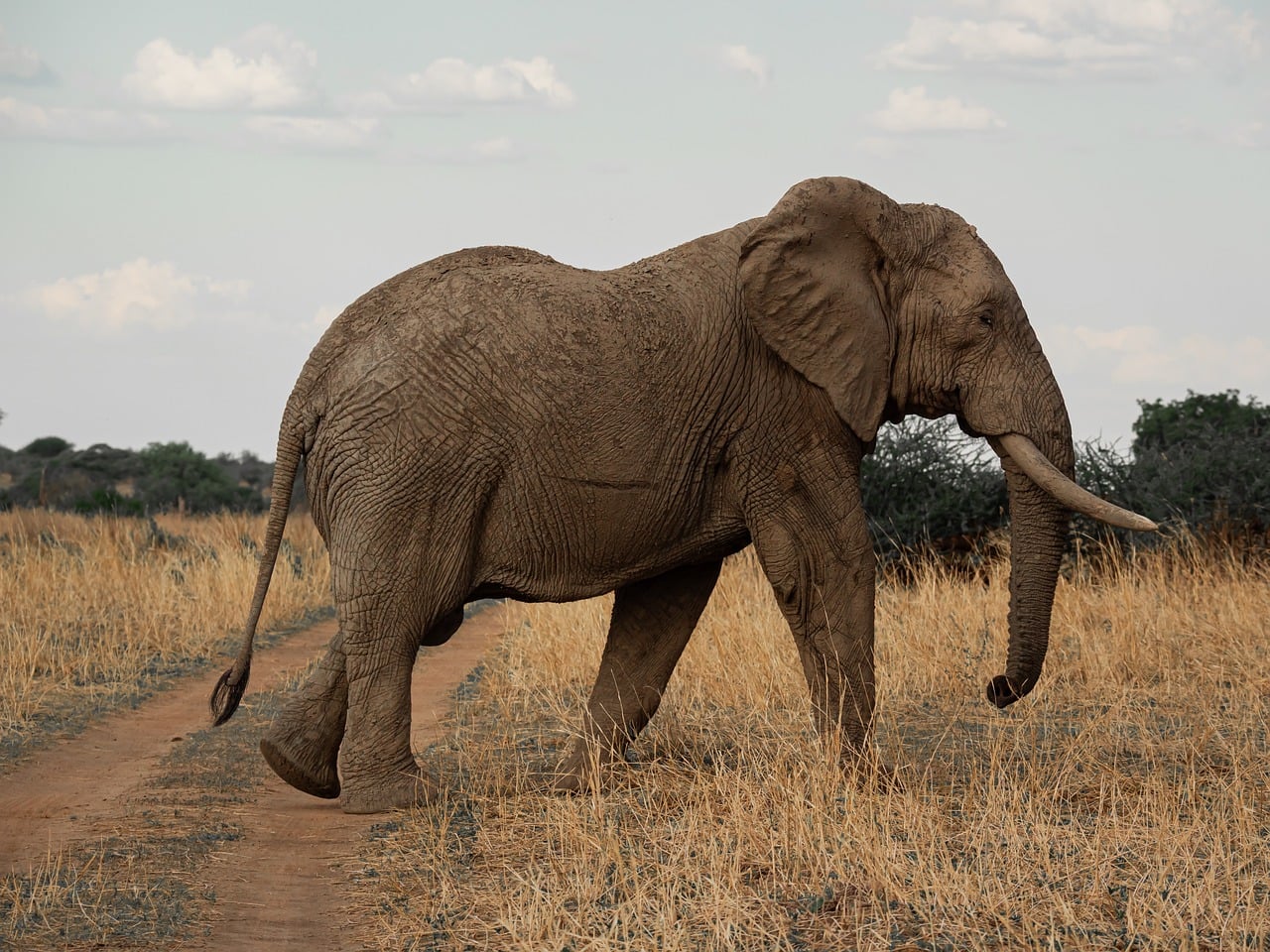
Elephant Rescue & Protection
Sumatran and Bornean elephants face habitat loss, conflict and poaching. Fund rapid veterinary response and humane coexistence work through partners in Indonesia and Malaysia.
Support this appeal India · Sri Lanka · Kenya · Tanzania · South Africa
Save the Leopard
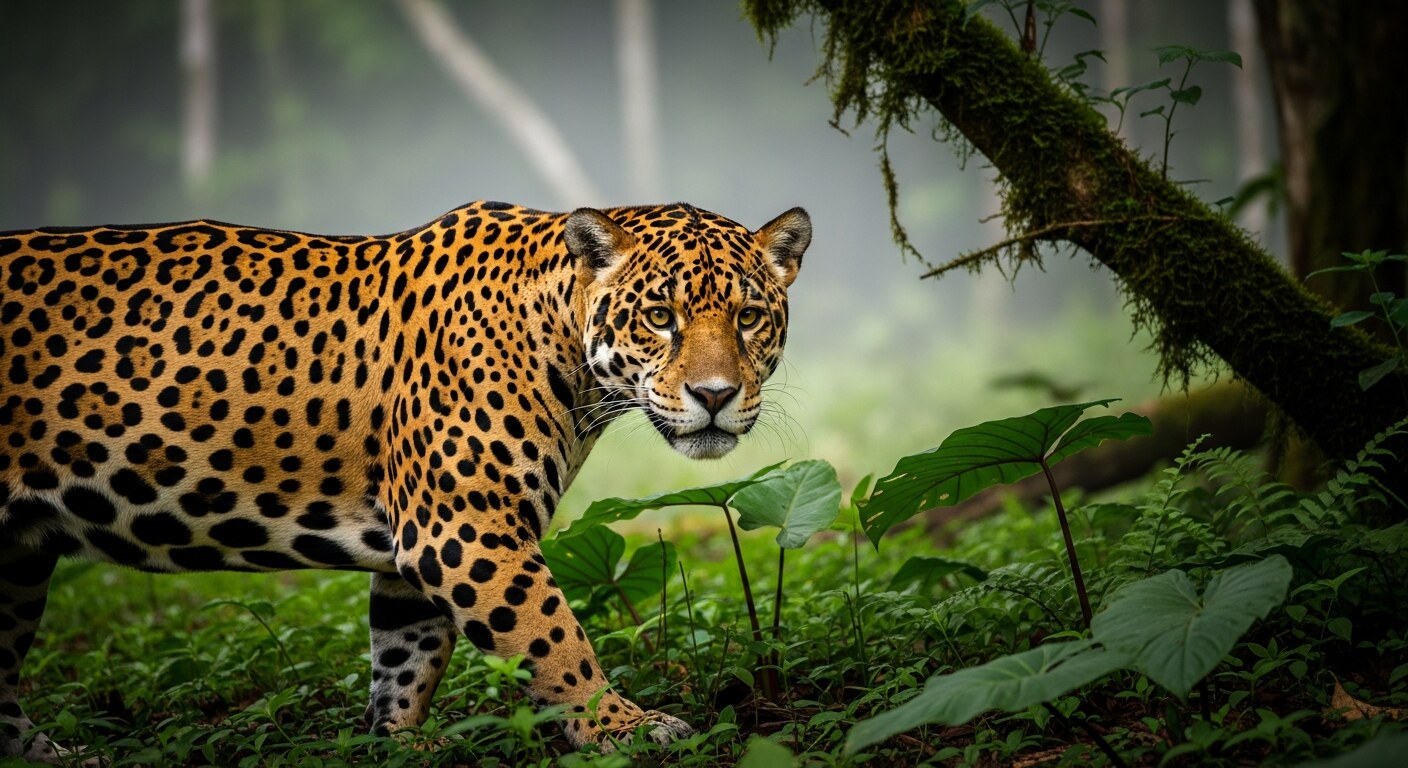
Snared, poisoned and trafficked, the leopard is one of the most persecuted big cats on earth. Fund partner-led snare response, conflict mitigation and rescue through grants in India, Sri Lanka, Kenya, Tanzania and South Africa.
Support this appeal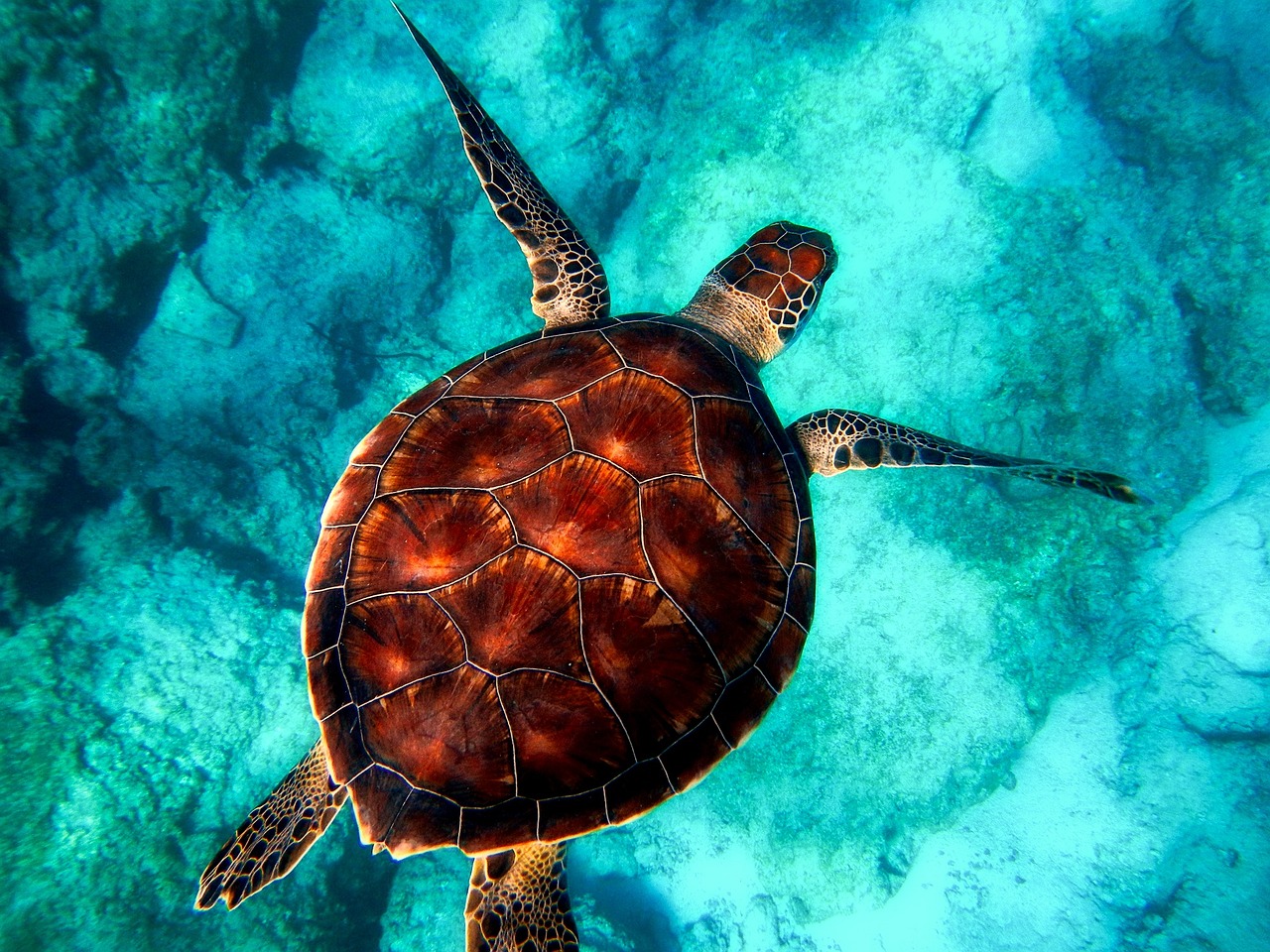
Indonesia · Malaysia · Brazil · Colombia · Pakistan · Philippines
Protect Sea Turtles
Drowned in nets, choked by plastic and robbed of their nesting beaches, sea turtles are in freefall. Fund nest protection, bycatch reduction and rescue across WARN's coastal partner countries.
Support this appeal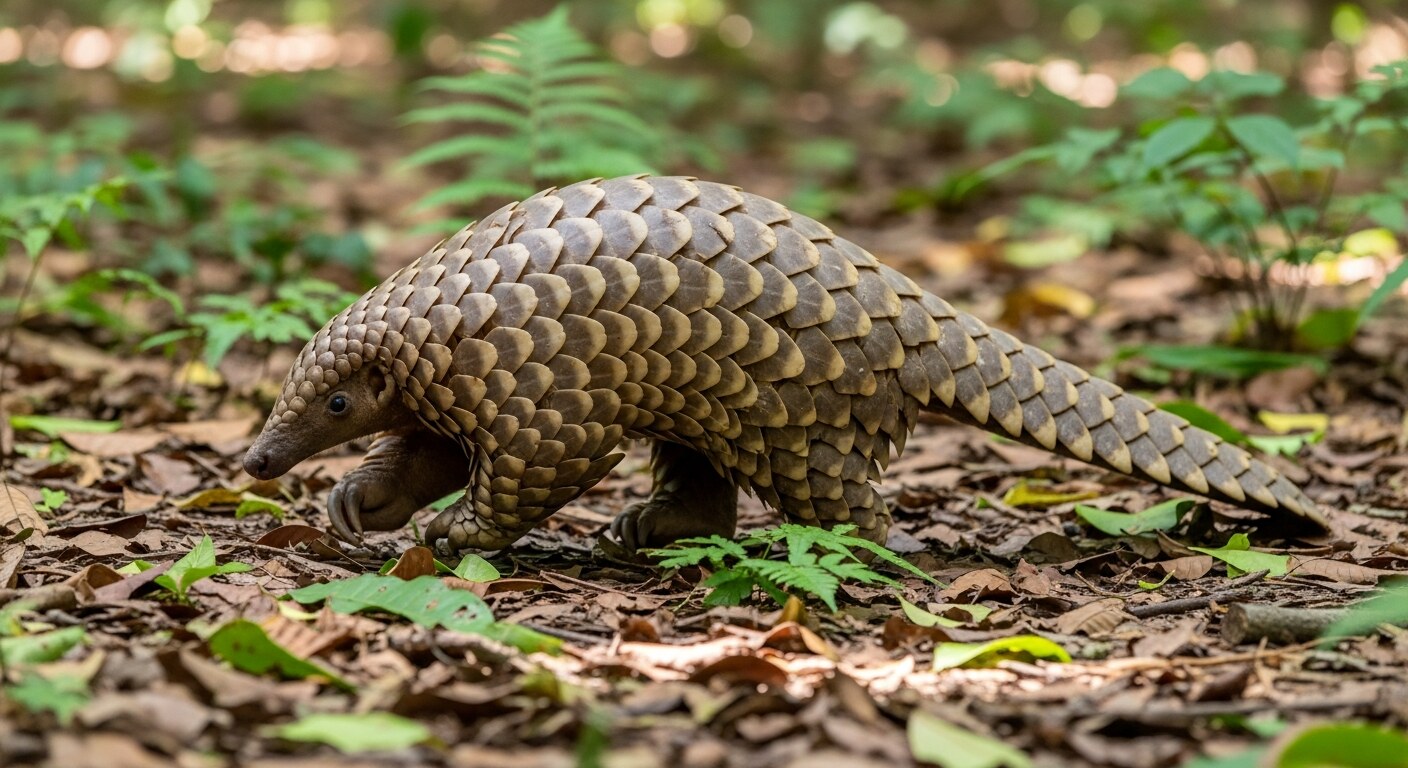
Indonesia · Malaysia · Pakistan
Save the World's Most Trafficked Mammal
Pangolins are the most trafficked wild mammals on earth. Fund rescue, rehabilitation and release for pangolins seized from traffickers, with Indonesia, Malaysia and Pakistan as the in-network focus.
Support this appealHelp the Animals of Sri Lanka
Your donation funds the rescue teams, sanctuaries, and programmes protecting wildlife and street animals across Sri Lanka.
Donate Now