Sri Lanka · Ethical marine rescue

Ethical Turtle Hatchery in Sri Lanka

How to tell whether a turtle hatchery in Sri Lanka is ethical, and why conservation-focused nest protection differs from tourist handling.

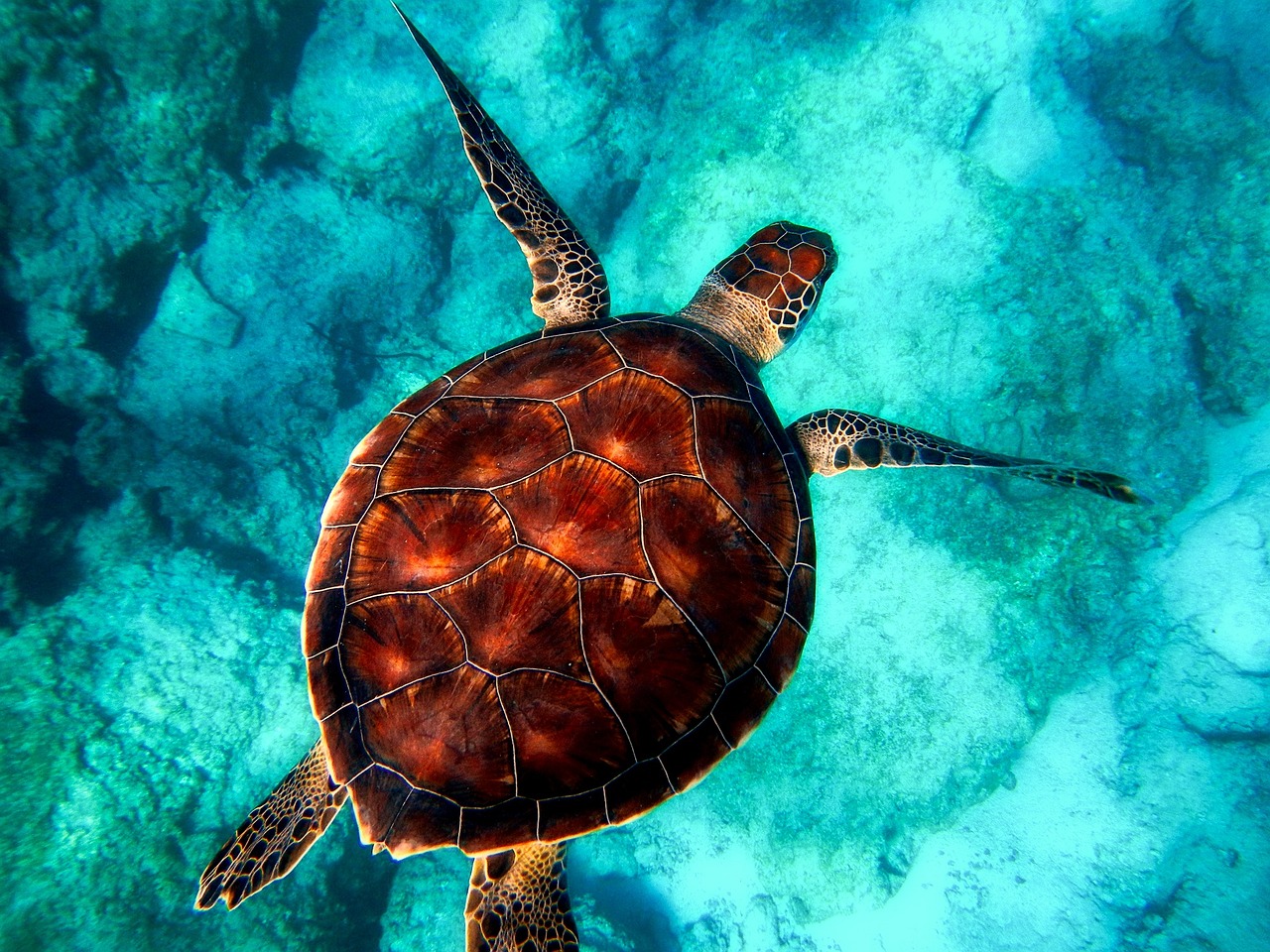
Sea turtle swimming after release in coastal waters

In brief

An ethical turtle hatchery in Sri Lanka prioritises natural nesting, scientific nest protection, minimal handling, correct release timing and no tourist contact that harms hatchlings.

5

Sri Lanka turtle species

Night

Preferred hatchling release

Minimal

Handling standard

Bycatch

Major wider threat

Guide 1

What Makes a Hatchery Ethical

The best turtle conservation work protects nests where they are laid whenever possible. If eggs must be moved, they should be handled by trained staff, placed at correct depth and spacing, protected from overheating and released at the right time with minimal human contact.

Guide 2

Red Flags for Visitors

Warning signs include letting tourists hold hatchlings, keeping turtles in tanks for entertainment, releasing hatchlings in daylight for photo opportunities, overcrowding, unclear records or claims that every hatchling is being saved.

Guide 3

How Rescue Funding Helps

The strongest marine rescue work funds beach patrols, fisher engagement, bycatch response, veterinary treatment and evidence-led nest protection rather than tourist handling experiences.

Guide 4

Red Flags at Tourist Hatcheries

Avoid hatcheries that allow daytime hatchling releases, let tourists handle turtles or keep animals in tanks for display. Ethical programmes minimise handling, protect in-situ nests where possible and release hatchlings at night toward the ocean with red lighting only.

Guide 5

How WARN Supports Ethical Standards

WARN grants to Sri Lankan coastal partners who follow minimal-intervention nest protection — not tourism-first operations. Donate via sea turtle appeal or read Sri Lanka for programme context.

Guide 6

Why UK Donors Choose WARN — Transparent Partner Grants

WARN is a registered UK Community Interest Company (Company no. 17298990) and is not a charity, so it cannot claim Gift Aid. The donation case is transparent partner-led welfare where support reaches practical field needs. WARN states upfront that gifts fund WARN's 17-country partner network across South Asia, Southeast Asia, East Africa, Southern Africa and South America programmes through vetted local partners — not WARN-run sanctuaries. Every gift is receipted; give one-off at donate or monthly at monthly giving.

Source Notes

WARN uses named intergovernmental, conservation and animal-welfare sources for numeric claims. These notes summarise the source basis for this page.

IUCN Red List

Several sea turtle species are threatened globally.

CITES

Sea turtles are protected from commercial international trade.

Marine turtle conservation guidance

Best practice emphasises nest protection, minimal handling and reduced bycatch.

Ethical Turtle Hatchery in Sri Lanka: Frequently Asked Questions

Should tourists hold baby turtles?
No. Handling can stress hatchlings, spread disease and interfere with natural movement toward the sea.
Are all turtle hatcheries bad?
No. Some support conservation, but standards vary. Ethical programmes prioritise nest protection and science over tourist interaction.
When should hatchlings be released?
Natural emergence usually happens at night. Releases should avoid heat, predators, bright lights and unnecessary handling.
Can tourists help turtle hatchlings?
Ethical programmes limit contact. Hatchlings imprint on beach location during their crawl to the sea — interference reduces survival.
When should hatchlings be released?
At night, toward the ocean, without white light. Daytime releases increase predation and disorientation.
Does nest relocation help?
Only when nests face certain destruction from erosion, lighting or poaching. In-situ protection is preferred where safe.
Can UK donors fund ethical hatcheries?
Yes — sea turtle appeal directs grants to partners meeting minimal-handling standards on Sri Lankan coasts.
Is WARN a registered charity?
World Animal Rescue Network (WARN) is World Animal Rescue Network CIC (Company number 17298990), a registered UK Community Interest Company — not a registered charity. See registration status for full legal identity.

Help Fund Frontline Rescue

World Animal Rescue Network CIC (Company no. 17298990) raises funds for established local partners. Your support helps build the rescue capacity these animals need.