Habitat
Why are sea turtles endangered?
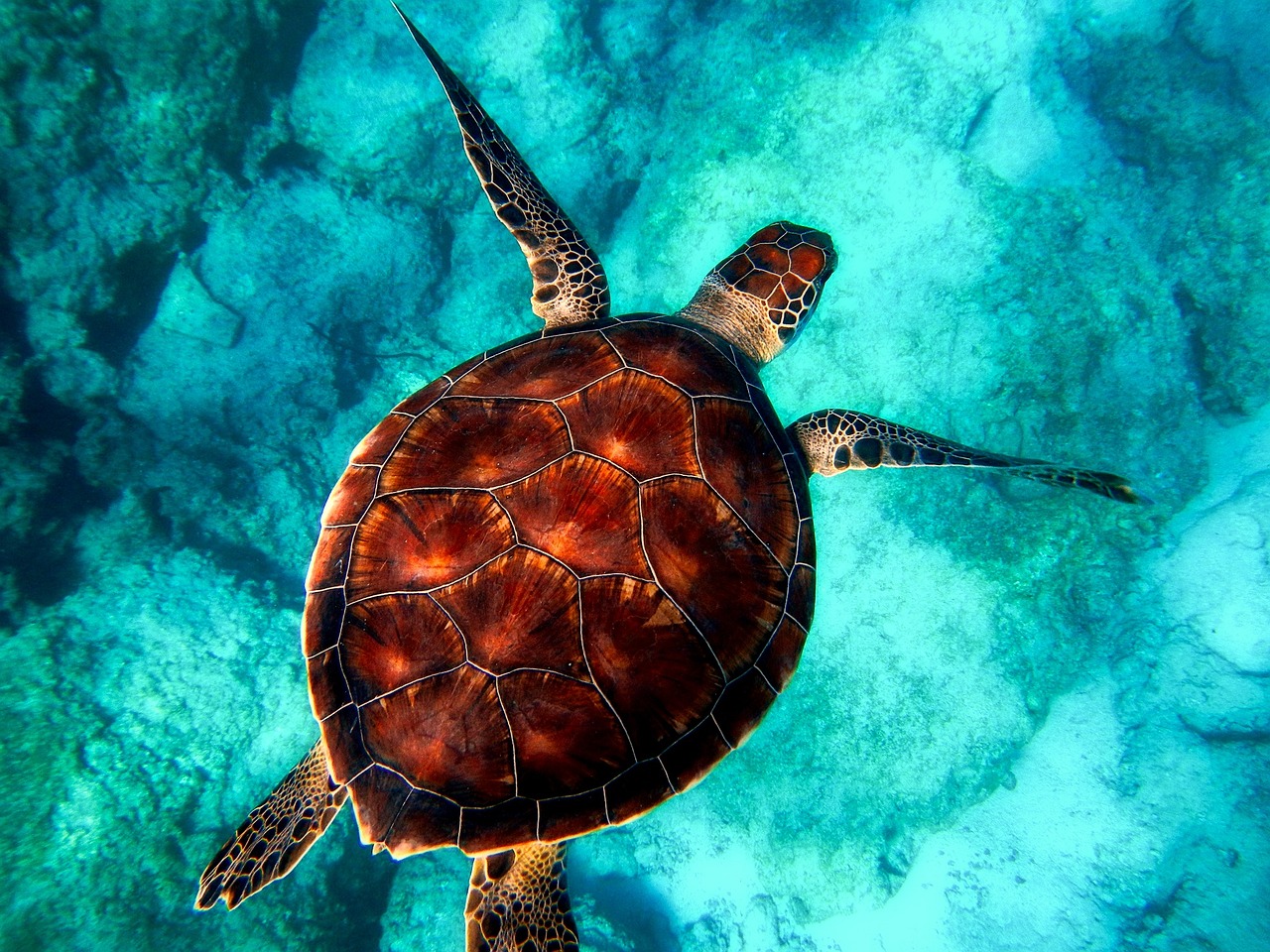
Bycatch, egg poaching, coastal development, plastic and climate change compound the odds against sea turtles — six of seven species are threatened.
In brief
Most sea-turtle species are threatened by accidental bycatch, illegal egg collection, coastal development, plastic pollution and climate change affecting nesting beaches.
By the WARN Research & Conservation TeamChecked against IUCN Red List & CITES sourcesLast updated
Most sea-turtle species face accidental capture in fisheries, illegal egg collection, coastal development, plastic pollution and climate change affecting nesting beaches. Only about one in a thousand hatchlings may reach adulthood naturally; human pressures worsen those odds. Hawksbill turtles are Critically Endangered — hunted historically for tortoiseshell. Green turtles face compound threats. Beach protection, fishery gear modifications and rescue of injured turtles are core conservation responses tracked by the IUCN Marine Turtle Specialist Group.
6/7
Sea-turtle species threatened (IUCN)
1 in 1,000
Hatchlings reaching adulthood (natural est.)
CR
Hawksbill — Critically Endangered
50+
Years some turtles live
Quick facts
| Species | Seven species — six threatened on IUCN Red List |
|---|---|
| Bycatch | Shrimp trawls, longlines, gillnets — accidental drowning |
| Nesting | Egg collection, beach development, artificial light disorientation |
| Plastic | Ingestion causes blockages — resembles jellyfish |
| Climate | Sand temperature determines hatchling sex — warming skews ratios |
| Tortoiseshell | Hawksbill shell trade — banned under CITES Appendix I |
Key takeaways
- Six of seven sea-turtle species threatened — IUCN Marine Turtle Specialist Group.
- Bycatch in trawls, longlines and gillnets is the leading at-sea killer.
- Nesting beaches lost to development; artificial light disorients hatchlings.
- Plastic ingestion kills — bags resemble jellyfish prey.
- Climate change skews hatchling sex ratios and erodes beaches.
- TEDs, beach protection and stranding rescue are proven responses.
Fishery bycatch — the leading ocean threat
Sea turtles breathe air — trapped in trawl nets, longlines and gillnets, they drown without rapid release. Shrimp trawling historically killed tens of thousands annually until turtle-excluder devices (TEDs) became mandatory in some jurisdictions — but compliance gaps persist globally. Longline hooks catch loggerheads and leatherbacks seeking bait. IUCN Marine Turtle Specialist Group identifies bycatch as the primary at-sea mortality driver. Gear modifications — TEDs, circle hooks, time-area closures — work when enforced. Small-scale fisheries in developing nations often lack equipment and training — where WARN coastal partners advocate gear change.
Nesting beach pressures
Females return to natal beaches to lay eggs — coastal development destroys nesting sites; seawalls block access. Artificial lighting disorients hatchlings, which evolve to crawl toward moonlight on water — street lights draw them inland to death. Egg poaching for food and trade persists despite legal protection in many countries. Predators — raccoons, dogs, crabs — take clutches; human pressure adds to natural mortality. Community hatcheries and protected beaches improve hatchling output when managed scientifically — not all tourist hatcheries help; some disrupt natural sex ratios through improper handling.
Plastic pollution and marine debris
Turtles mistake plastic bags and balloons for jellyfish — ingestion causes gut blockages, malnutrition and death. Fishing line entanglement amputates flippers. Microplastic research continues; macro debris kills visibly. Ocean plastic concentrates in gyres and coastal zones overlapping turtle migration routes. Reducing single-use plastic and improving waste management in coastal WARN network countries — Indonesia, Sri Lanka, Kenya — complements fishery reforms. Necropsies of stranded turtles routinely find stomachs full of plastic.
Climate change and recovery efforts
Sand incubation temperature determines hatchling sex — warmer sand produces more females, skewing populations over time. Rising seas erode nesting beaches; extreme storms destroy clutches. Recovery requires integrated approach: TED enforcement, nesting-beach protection, lighting ordinances, plastic reduction and rescue of injured strandings. Veterinary centres treat boat-strike injuries and floating syndrome from gas buildup. WARN sea-turtle appeal links donors to partner beach patrols and rehabilitation where programmes exist in coastal network countries.
What WARN does
WARN’s sea-turtle appeal supports partner nesting-beach patrols, hatchling protection and veterinary care for injured turtles in coastal network countries including Indonesia, Sri Lanka and Kenya.