Wildlife · Species comparisons
What is the difference between a leopard and a jaguar?
Leopards rosettes lack inner spots; jaguars rosettes hold central dots — and jaguars rule the Americas with the strongest big-cat bite.
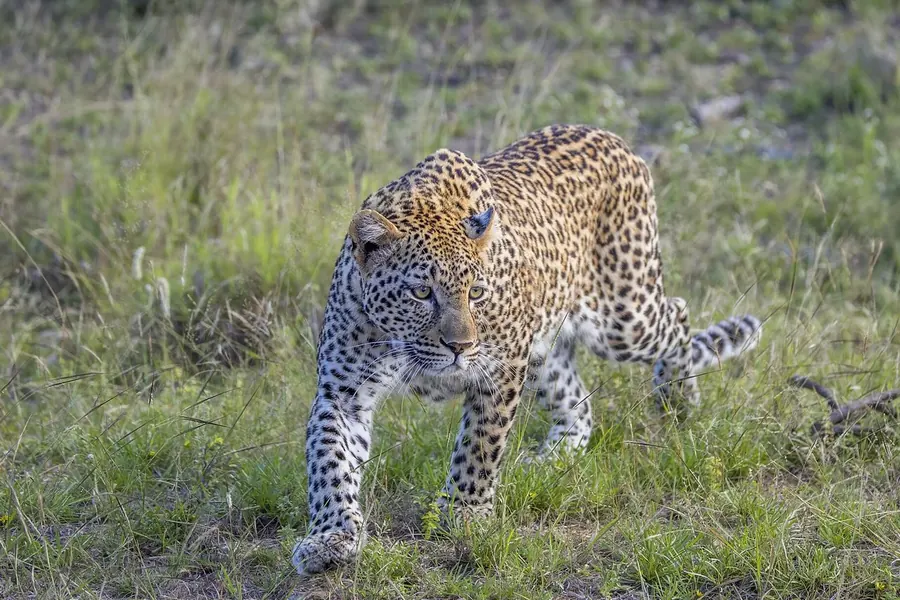
In brief
Leopards live in Africa and Asia; jaguars in the Americas. Jaguars are stockier with a broader head and rosettes containing central spots. Leopards have smaller, solid rosettes without spots inside. Jaguars bite through skulls and turtle shells — the strongest bite among big cats.
By the WARN Research & Conservation TeamChecked against IUCN Red List & CITES sourcesLast updated
Leopard (Panthera pardus) spans Africa and Asia — Vulnerable, adaptable, often caching kills in trees. Jaguar (Panthera onca) is Near Threatened — stocky apex predator of Latin American rivers and forest, crushing turtle shells and caiman skulls. No wild range overlap. Melanistic black panthers occur in both species — excess pigment, not separate taxa. Rosette pattern is the reliable ID mark on spotted individuals.
Vulnerable
Leopard IUCN status — declining
Near Threatened
Jaguar IUCN status
2,000 psi
Approximate jaguar bite force — strongest among cats
0
Wild range overlap between species
Quick facts
| Leopard range | Africa, Middle East, Asia |
|---|---|
| Jaguar range | Mexico to northern Argentina |
| Rosettes | Leopard: hollow; jaguar: central spot(s) |
| Build | Jaguar stockier, broader head |
| Swimming | Jaguars swim readily; leopards less aquatic |
| Black panther | Melanistic leopard or jaguar — same species |
Key takeaways
- Rosette centres spotted in jaguar — hollow in leopard.
- Jaguar Americas; leopard Africa and Asia — no overlap.
- Jaguar strongest bite — skull-crushing hunting style.
- Both threatened — trade and habitat loss.
- Black panther = melanism, not new species.
- See WARN comparison table with rosette diagrams.
Rosette pattern — the ID key
Jaguar rosettes contain one or more central spots — smaller solid markings inside the ring. Leopard rosettes are hollow — dark ring, tan centre without spots. Coat density differs: jaguars in rainforest show larger rosettes; leopards in arid zones appear lighter. Melanistic individuals hide pattern — close inspection in direct light still reveals spots. Zoo mislabelling happens — geography should confirm species.
Ecology and hunting
Jaguars ambush at waterholes — biting through skull or spine of prey including capybara and peccary. Leopards drag impala and bushbuck into trees beyond hyena reach — arboreal strength iconic. Leopards coexist with lions and tigers by nocturnal niche shift where larger cats present. Both face skin trade and retaliatory killing — jaguar teeth enter Asian markets as tiger substitutes.
Conservation geography
Leopard lost over 60% of historic range — fragmented populations from Senegal to Sri Lanka. Jaguar corridor initiatives link populations across Latin American borders — genetic flow essential. Both CITES Appendix I — commercial international trade banned. WARN jaguar guide covers Latin American trade; leopard guide covers Asian conflict.
Comparison table for classrooms
WARN rows: continent, rosette diagram, average weight, swimming, IUCN status, prey examples. Cheetah excluded — different genus — see leopard vs cheetah answer.