Anti-trafficking · Wildlife crime

Donate to Stop Wildlife Trafficking

Donate to stop wildlife trafficking through WARN — customs detection, seizure triage and sanctuary placement for pangolins, parrots, big cats and exotic pets via partner grants across 17 countries.

Wildlife trafficking interception — donation funds partner-led seizure response

In brief

You can donate to stop wildlife trafficking through WARN — gifts fund partner-led customs detection support, live-seizure veterinary triage, quarantine and sanctuary placement for pangolins, parrots, big cats and exotic pets across the 17-country partner network.

$20B+

Illegal wildlife trade annually (est.)

4th

Largest illegal trade globally

17

Partner-network countries

CITES

International trade controls

Guide 1

Wildlife Trafficking as a Global Crisis

Illegal wildlife trade is estimated at over $20 billion annually — the fourth-largest illegal trade globally after drugs, counterfeiting and human trafficking. Live animals, parts and derivatives move through air, sea and road routes. Interception without funded triage capacity loses animals back to trade.

Guide 2

What Anti-Trafficking Donations Fund

Customs detection training, seizure triage equipment, quarantine pens, species-appropriate diets, veterinary assessment and sanctuary placement — the critical hours after intercept. WARN grants to partners at Malaysia ports, Colombian bird trade routes and Indonesian exotic-pet markets.

Guide 3

Species-Specific Trafficking Routes

Pangolin scales through Port Klang, parrots from Colombian forests, slow lorises for the pet trade, big-cat parts from Africa and Asia — each needs specialist response. Donate to pangolin appeal, parrot appeal, slow loris appeal or give generally at donate.

Guide 4

Live Seizure Versus Parts Trafficking

Live seizures need immediate placement and veterinary care. Parts trafficking — scales, ivory, horn — requires detection and evidence chains. WARN focuses on live-animal welfare outcomes through partner grants where seizures occur in network countries.

Guide 5

UK Donor Route

Donate in GBP at donate or choose species appeals. Monthly giving builds year-round triage capacity instead of crisis-only response after high-profile raids. See malaysia wildlife trafficking for Malaysia context.

Guide 6

Partner-Led, Not WARN-Operated

WARN does not conduct law enforcement. It grants to partners supporting customs detection, post-seizure care and release monitoring — complementing government interdiction with welfare capacity.

Guide 7

Trafficking Response Across the Network

Wildlife trafficking intersects pangolin scales at Port Klang, parrots in Colombia, slow lorises in Indonesia and big-cat parts across Africa and Asia. WARN partner grants fund customs detection support, seizure triage and sanctuary placement — see pangolin appeal, parrot appeal and tiger appeal.

Explore Related Rescue Work

Wildlife guide

Macaw

Macaws are large, long-tailed tropical parrots native to Central and South America; status varies by species, with several — including the blue-throated and Spix's macaws — Critically Endangered or Extinct in the Wild due to the illegal pet trade and deforestation.

Wildlife guide

Pangolin

Pangolins are the world's most heavily trafficked wild mammals; all eight species are threatened by illegal trade in their keratin scales, used in traditional medicine across Asia, with the Chinese and Sunda pangolins now Critically Endangered.

Country programme

Indonesia

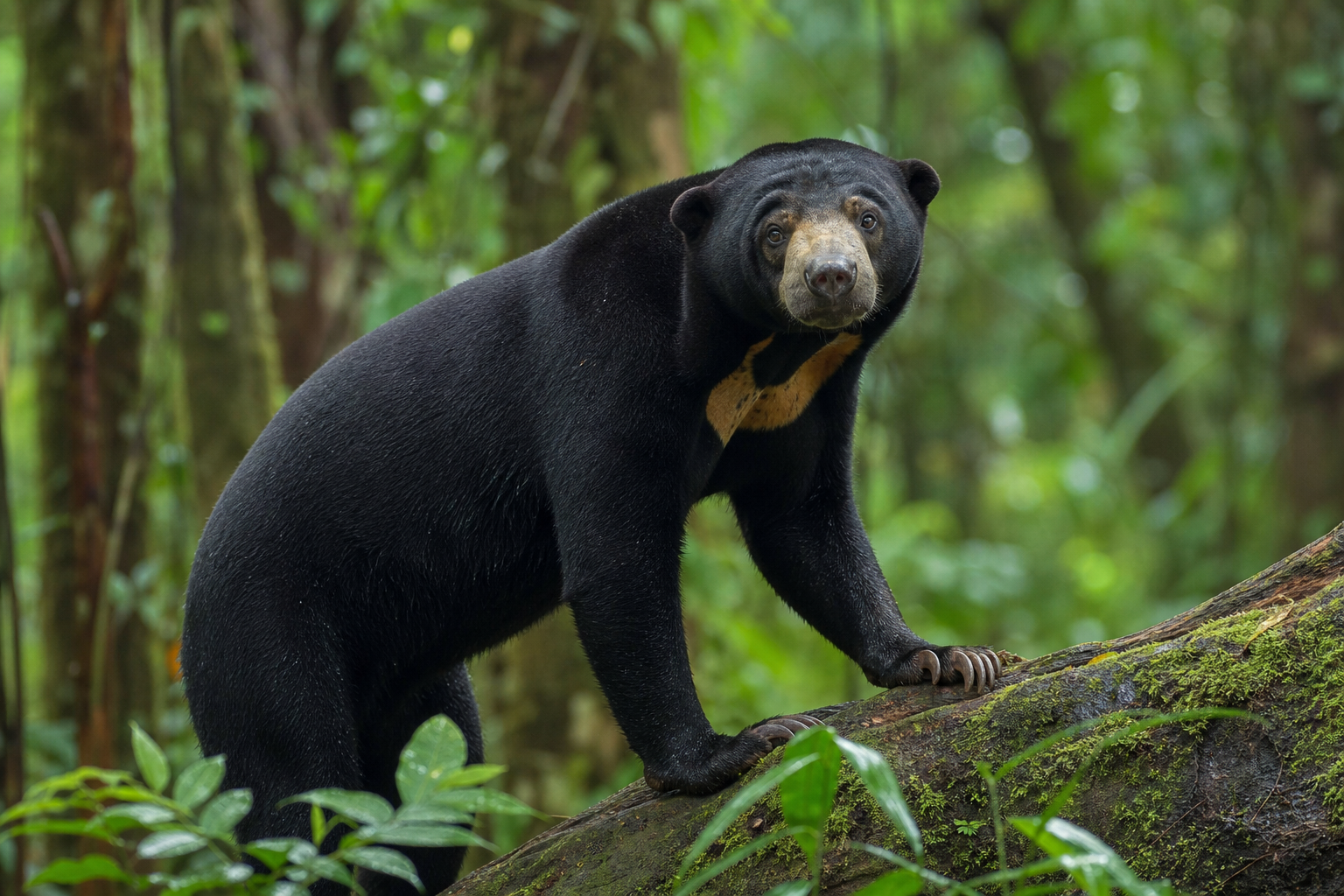
Indonesia is a Southeast Asian archipelago of more than 17,000 islands, home to Bornean and Sumatran orangutans, Sumatran tigers, Javan and Sumatran rhinos, the Komodo dragon and the sun bear; its wildlife is under sustained pressure from palm-oil and pulpwood deforestation, the illegal pet trade, and one of the world's largest contributions to marine plastic.

Country programme

Malaysia

Malaysia is a Southeast Asian range state for Bornean orangutans (Sabah), sun bears, Sunda pangolins, clouded leopards and the Malayan tiger; it is a top-tier transit country for trafficked wildlife, with Kuala Lumpur's airports and the Port Klang container hub repeatedly identified by UNODC as wildlife-crime chokepoints.

Country programme

Colombia

Colombia is a South American country at the top of global biodiversity rankings; WARN's planned work focuses on parrot and macaw trafficking interdiction and soft-release, primate sanctuary support, and pink river dolphin and Amazonian aquatic-mammal triage in partnership with established Colombian rescue organisations.

Country programme

Brazil

Brazil is the most biodiverse country on earth, home to jaguars, giant otters, pink river dolphins, golden lion tamarins and scarlet macaws across the Amazon, Pantanal and Atlantic Forest; deforestation, fire, mining and the illegal wildlife and pet trade are the dominant threats.

Source Notes

WARN uses named intergovernmental, conservation and animal-welfare sources for numeric claims. These notes summarise the source basis for this page.

UNODC — World Wildlife Crime Report

Trafficking volumes, routes and enforcement gaps.

CITES

International trade controls for threatened species.

TRAFFIC

Wildlife trade monitoring and seizure analysis.

Donate to Stop Wildlife Trafficking: Frequently Asked Questions

How do I donate to stop wildlife trafficking?
Donate at donate or to species appeals — pangolin appeal, parrot appeal, tiger appeal — that fund seizure response.
What happens to animals after a trafficking seizure?
Immediate veterinary triage, quarantine, species-appropriate care and release or sanctuary decision — if funded capacity exists.
Does WARN conduct law enforcement?
No. WARN grants to partners supporting detection training and post-seizure welfare — not direct enforcement.
Which countries have the most trafficking?
Malaysia, Indonesia, Colombia and Brazil are key network countries for interception and seizure response.
Can one donation address multiple species?
Yes — unrestricted gifts at donate let WARN allocate to greatest current trafficking need.
Is wildlife trafficking still growing?
UNODC reports persistent high volumes despite CITES controls — pangolins, parrots and big cats among the most trafficked.
Can UK donors fund anti-trafficking abroad?
Yes — GBP gifts with full receipts through WARN partner grants.
What is CITES?
Convention on International Trade in Endangered Species — regulates cross-border wildlife trade; many trafficked species are Appendix I (commercial trade banned).
Can one donation address multiple trafficking routes?
Yes — unrestricted gifts at donate let WARN allocate to the greatest current interdiction and seizure-response need across 17 countries.

Help Fund Frontline Rescue

World Animal Rescue Network CIC (Company no. 17298990) raises funds for established local partners. Your support helps build the rescue capacity these animals need.