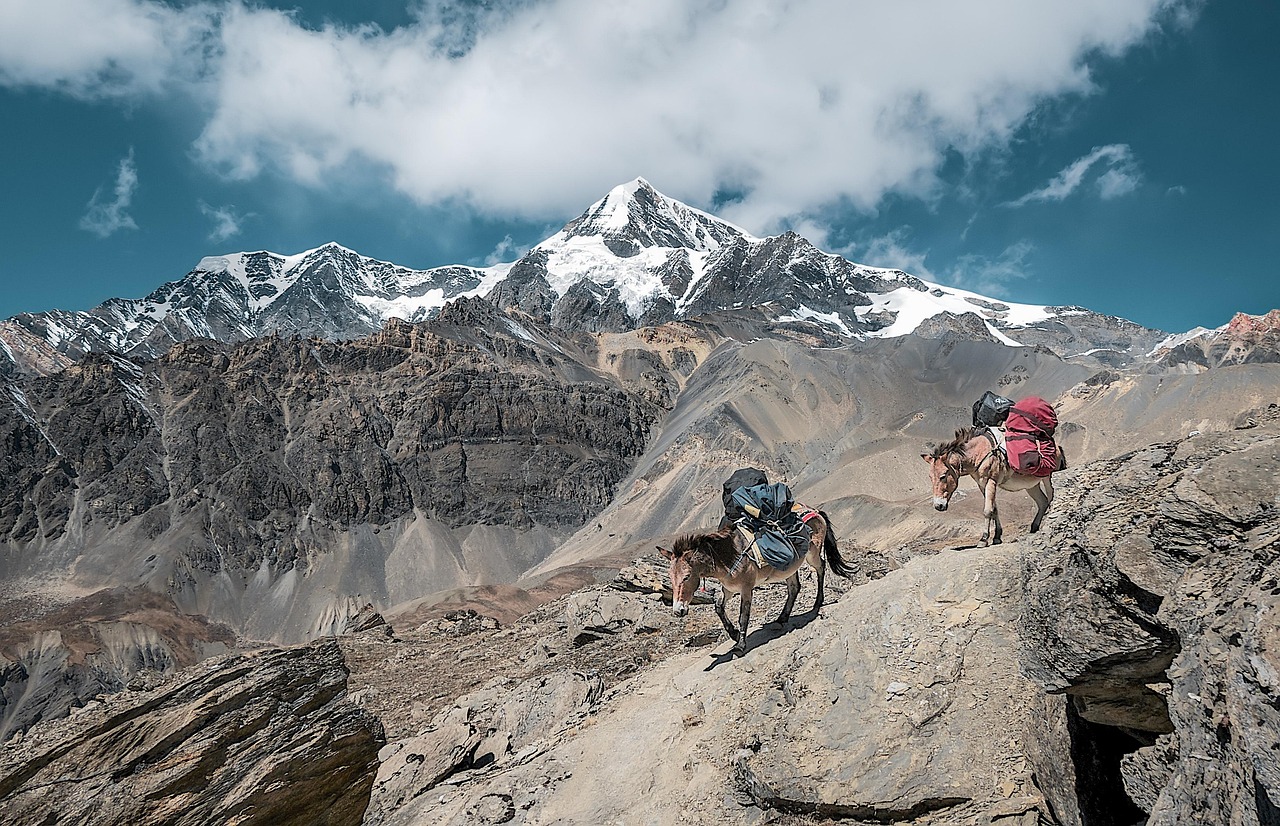
Pakistan · Working donkey welfare

Donkey Abuse in Pakistan

Why working donkeys in Pakistan suffer preventable abuse and neglect, and how mobile veterinary clinics can reduce pain without removing livelihoods.

Working donkey in Pakistan needing veterinary and harness support

In brief

Donkey abuse in Pakistan is often linked to poverty, overwork, poor harnessing and lack of affordable veterinary care; mobile clinics can treat wounds, hooves, teeth and parasites where donkeys work.

Hooves

Common untreated pain

Harness

Frequent wound cause

Heat

Work stress factor

Mobile

Best clinic model

Guide 1

Why Donkeys Suffer in Pakistan

Working donkeys in Pakistan are used in brick kilns, markets, water transport and construction settings. Many owners have little money and no nearby veterinary access. This does not excuse cruelty, but it explains why preventable problems become severe: harness wounds, infected cuts, lameness, dehydration and exhaustion.

Guide 2

What Practical Rescue Looks Like

For working donkeys, rescue usually means bringing veterinary help to the animal rather than taking the animal away. Mobile clinics can treat wounds, trim hooves, rasp teeth, give pain relief, deworm animals and teach owners how to prevent repeat injuries.

Guide 3

Why This Helps Families Too

A healthier donkey can work with less pain and less risk of collapse. When welfare support is delivered respectfully, owners are more likely to accept better harnessing, rest, water and veterinary advice.

Guide 4

Brick Kiln and Industrial Donkey Abuse

Working donkeys in Pakistan's brick kilns and industrial zones haul heavy loads in extreme heat with inadequate water, rest or hoof care. Wounds from ill-fitting harnesses, lameness and colic from poor nutrition are routine — mobile veterinary clinics are the primary response WARN funds.

Guide 5

What a Mobile Clinic Visit Delivers

A single clinic day can treat dozens of donkeys: wound dressing, hoof trimming, dental checks, deworming and humane harness education for owners. Roughly £50–100 funds a field vet day depending on caseload and travel.

Guide 6

Why UK Donors Choose WARN — Transparent Partner Grants

WARN is a registered UK Community Interest Company (Company no. 17298990) and is not a charity, so it cannot claim Gift Aid. The donation case is transparent partner-led welfare where support reaches practical field needs. WARN states upfront that gifts fund WARN's 17-country partner network across South Asia, Southeast Asia, East Africa, Southern Africa and South America programmes through vetted local partners — not WARN-run sanctuaries. Every gift is receipted; give one-off at donate or monthly at monthly giving.

Source Notes

WARN uses named intergovernmental, conservation and animal-welfare sources for numeric claims. These notes summarise the source basis for this page.

Working equine welfare research

Working equine welfare programmes focus on field veterinary care, farriery, harness improvement and owner education.

WOAH animal welfare guidance

Animal welfare improves through access to care, disease prevention and humane handling.

WARN country research

Pakistan is a WARN focus country for street dog welfare and working-equine mobile clinic planning.

Donkey Abuse in Pakistan: Frequently Asked Questions

How can I help abused donkeys in Pakistan?
You can support mobile veterinary clinics, hoof care, dental treatment, wound care, humane harness support and owner education through partner-led working-equine programmes.
Are working donkeys rescued from owners?
Only in severe cases where removal is necessary. Most welfare work treats donkeys where they work because families often depend on them for income.
What problems do working donkeys face?
Common problems include harness wounds, overgrown hooves, dental pain, dehydration, parasites, lameness and untreated injuries.
Why are working donkeys abused in Pakistan?
Poverty, lack of veterinary access and cultural norms around working animals — not malice alone. Education plus free clinics change outcomes.
Can UK donors fund donkey clinics in Pakistan?
Yes — working donkeys appeal funds mobile veterinary clinics, farriery and harness education through Pakistani partners.
What is the donkey skin trade connection?
See donkey skin trade — ejiao demand drives theft and slaughter, separate from but overlapping with working donkey welfare.
Does WARN run donkey sanctuaries in Pakistan?
No. WARN grants to mobile clinic partners who treat donkeys in situ at kilns and markets.
Is WARN a registered charity?
World Animal Rescue Network (WARN) is World Animal Rescue Network CIC (Company number 17298990), a registered UK Community Interest Company — not a registered charity. See registration status for full legal identity.

Help Fund Frontline Rescue

World Animal Rescue Network CIC (Company no. 17298990) raises funds for established local partners. Your support helps build the rescue capacity these animals need.