Donor intent · Sanctuary giving

Donate to an Animal Sanctuary

Honest guide when you search donate to animal sanctuary — what sanctuary donations fund, how WARN differs as a partner-grant network rather than a sanctuary operator, and where your gift reaches frontline rescue.

Animal sanctuary donations versus WARN partner-grant model for rescue abroad

In brief

Sanctuary donations typically fund daily care, veterinary bills and enclosure costs at a specific facility — WARN does not operate its own sanctuaries but makes grants to established partner sanctuaries and rehabilitation centres across 17 countries, channelling your gift through donate or species appeals at appeals.

17

Partner countries

80%

Programme target

Grants

Not WARN-run sites

Multiple

Species programmes

Guide 1

What Sanctuary Donations Usually Fund

Searching "donate to animal sanctuary" often means supporting a named facility — food, keeper wages, veterinary care, enclosure maintenance and rehabilitation for rescued animals. Many excellent sanctuaries operate locally or abroad with transparent daily running costs.

Guide 2

How WARN Differs from a Sanctuary

WARN is a grant-making global not-for-profit, not a sanctuary operator. It channels international donations to vetted partner sanctuaries, rehabilitation centres and field teams abroad — without building parallel WARN-branded facilities. Your gift funds partner-led delivery with reporting accountability.

Guide 3

Partner Sanctuaries WARN Grants Support

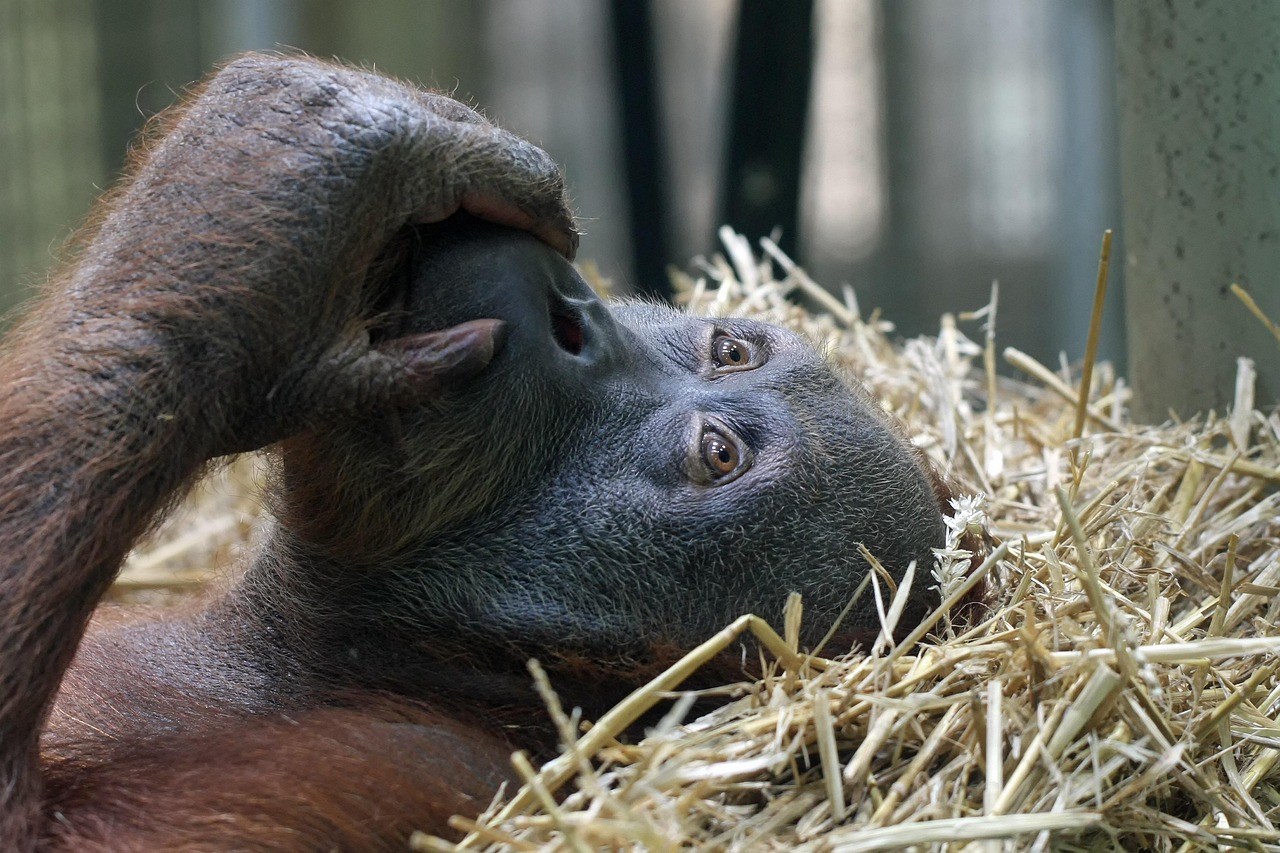
Orangutan forest-school partners in Borneo, elephant rehabilitation in Indonesia and Malaysia, pangolin triage centres in Malaysia, tiger conflict-response teams in Sumatra and parrot aviaries in Colombia — all receive WARN grants through species appeals at appeals.

Guide 4

Choosing Sanctuary Versus Programme Grants

If you want to support one named sanctuary you can visit, donate to that sanctuary directly. If you want flexible routing to greatest need across the 17-country network, give at donate or choose a species appeal. Both are valid depending on your giving goal.

Guide 5

Monthly Versus One-Off Sanctuary-Adjacent Giving

Sanctuary running costs are year-round — monthly giving at monthly giving or symbolic adoption at symbolic adoption from £5/month helps partners budget for keeper care, milk formula and veterinary supplies. One-off gifts suit urgent orphan intakes or seizure triage.

Guide 6

Honest Registration Answers

WARN is a registered UK Community Interest Company (Company no. 17298990) and is not a charity, so it cannot claim Gift Aid. The donation case is transparent partner-led welfare where support reaches practical field needs. WARN sanctuary-adjacent giving is not Gift Aid eligible. The case for giving is transparent partner-led rehabilitation and release — not tax relief.

Guide 7

Wildlife Versus Companion Animal Sanctuaries

Street dog CNVR at Karachi street dogs appeal addresses population scale rather than sanctuary pen care. Wildlife sanctuaries handle orphans, snare injuries and trafficking survivors — route through orangutan appeal, elephant appeal or pangolin appeal.

Guide 8

Verifying Sanctuary and Grant Recipients

WARN targets at least 80% programme funding and publishes registration at registration status. Partners are established in-country organisations with field expertise — WARN does not publish unverified rescue counts before partner reporting.

Explore Related Rescue Work

Wildlife guide

Orangutan

Orangutans are Critically Endangered great apes found only in Borneo and Sumatra; all three species — Bornean, Sumatran, and Tapanuli — face extinction driven mainly by habitat loss from palm oil and logging, plus the illegal pet trade.

Wildlife guide

Pangolin

Pangolins are the world's most heavily trafficked wild mammals; all eight species are threatened by illegal trade in their keratin scales, used in traditional medicine across Asia, with the Chinese and Sunda pangolins now Critically Endangered.

Wildlife guide

Elephant

Asian elephants are Endangered; their main threats are habitat loss and human-elephant conflict, while African elephants also face poaching for the illegal ivory trade.

Country programme

Indonesia

Indonesia is a Southeast Asian archipelago of more than 17,000 islands, home to Bornean and Sumatran orangutans, Sumatran tigers, Javan and Sumatran rhinos, the Komodo dragon and the sun bear; its wildlife is under sustained pressure from palm-oil and pulpwood deforestation, the illegal pet trade, and one of the world's largest contributions to marine plastic.

Country programme

Malaysia

Malaysia is a Southeast Asian range state for Bornean orangutans (Sabah), sun bears, Sunda pangolins, clouded leopards and the Malayan tiger; it is a top-tier transit country for trafficked wildlife, with Kuala Lumpur's airports and the Port Klang container hub repeatedly identified by UNODC as wildlife-crime chokepoints.

Country programme

Colombia

Colombia is a South American country at the top of global biodiversity rankings; WARN's planned work focuses on parrot and macaw trafficking interdiction and soft-release, primate sanctuary support, and pink river dolphin and Amazonian aquatic-mammal triage in partnership with established Colombian rescue organisations.

Country programme

Brazil

Brazil is the most biodiverse country on earth, home to jaguars, giant otters, pink river dolphins, golden lion tamarins and scarlet macaws across the Amazon, Pantanal and Atlantic Forest; deforestation, fire, mining and the illegal wildlife and pet trade are the dominant threats.

Source Notes

WARN uses named intergovernmental, conservation and animal-welfare sources for numeric claims. These notes summarise the source basis for this page.

WARN where your money goes

Programme funding target at where your money goes.

WARN appeals index

Species programmes channelling grants to partners.

WARN registration status

Legal identity at registration status.

Donate to an Animal Sanctuary: Frequently Asked Questions

Does WARN run animal sanctuaries?
No. WARN makes grants to established partner sanctuaries and rehabilitation centres — field operations remain partner-led.
How do I donate to support sanctuaries abroad?
Give at donate or choose a species appeal at appeals — orangutans, elephants, pangolins and more.
Can I visit a sanctuary my donation supports?
WARN does not operate visitor sanctuaries. Partner facilities prioritise rehabilitation and release — not donor tourism.
Is sanctuary donation Gift Aid eligible?
No. WARN is a registered global not-for-profit and cannot claim Gift Aid
Which species have sanctuary programmes?
Orangutans, elephants, pangolins, tigers, gorillas, rhinos, parrots and moon bears — see appeals.
Can I donate monthly to sanctuary care?
Yes — monthly giving or symbolic adoption at symbolic adoption from £5/month.
How is WARN different from donating to one sanctuary?
WARN routes grants across multiple partner facilities and countries — flexible allocation rather than one named site.
Are US sanctuary donations tax-deductible through WARN?
No. WARN is a UK CIC global not-for-profit, not a US 501(c)(3).

Help Fund Frontline Rescue

World Animal Rescue Network CIC (Company no. 17298990) raises funds for established local partners. Your support helps build the rescue capacity these animals need.