Southeast Asia
Thailand
Thailand sits at the centre of the global captive-wildlife tourism debate. Roughly 3,000-4,000 captive elephants live in Thai tourism, alongside tiger photo-ops, monkey shows and…
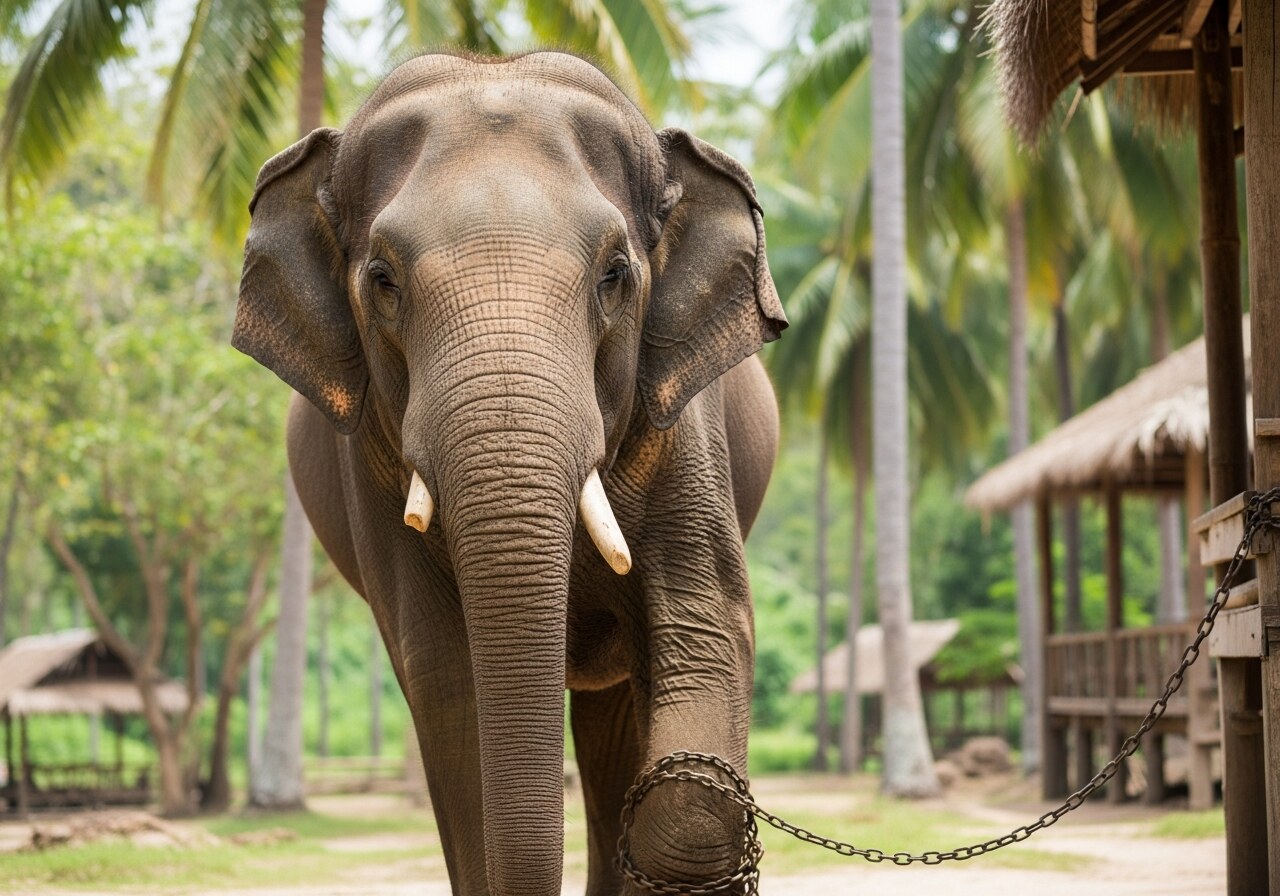
Thailand is a Southeast Asian country where WARN's planned work focuses on captive-wildlife welfare in the tourism industry — supporting genuine non-contact sanctuaries for retired tourism elephants, macaques, slow lorises and rescued bears, and contributing consumer-education materials on ethical wildlife tourism.
Key Facts About Thailand
- Roughly 3,000-4,000 captive Asian elephants in Thailand, mostly in tourism.
- Asian elephant listed as Endangered globally.
- Tiger, slow loris and macaque tourism operations are widespread and welfare-compromised.
- Genuine non-contact sanctuaries exist but are a minority of facilities marketed as sanctuaries.
- Our planned work centres on retired-tourism-animal sanctuary support and tourist education.
- Most facilities marketed as elephant sanctuaries still offer riding or bathing — welfare red flags.
- Tiger, slow loris and macaque tourism operations remain widespread.
What is the wildlife situation in Thailand?
Thailand combines a high level of remaining wild biodiversity (Indochinese tigers in Western Forest Complex, Asian elephants in Kuiburi and Khao Yai, gibbons in southern forests) with one of the world's largest captive-wildlife tourism industries. Welfare conditions vary enormously between facilities.
What is WARN preparing to do in Thailand?
Sanctuary support for elephants, macaques, lorises and bears retired out of tourism operations into species-appropriate non-contact sanctuary care. Consumer-education resources to help tourists choose venues that meet welfare standards. See our ethical wildlife tourism checklist.
Why Thailand and not the wild-elephant work elsewhere
Thailand's wild elephants are protected by an effective Royal Forest Department and well-established conservation NGOs. The captive-welfare gap is where additional funding makes the most direct difference for animal welfare today.
Retiring tourism elephants
Without sanctuary placement, retired tourism elephants are sold on for further work. WARN's planned grants support genuine non-contact sanctuaries that meet international welfare standards.
Tourist education
Consumer-education resources help tourists choose venues that do not cause harm — riding, bathing and contact experiences are reliable indicators of compromised welfare.
Threats to Wildlife in Thailand
Tourism-driven wildlife exploitation
Bear bile trade
Pet trade in slow lorises and macaques
Habitat fragmentation
What WARN Funds in Thailand
Our Thailand programme will support the retirement of bears, elephants, macaques, and lorises out of tourism operations into species-appropriate sanctuary care, and build consumer-education resources to help tourists choose venues that do not cause harm.
Thailand FAQ
Are all Thai elephant sanctuaries unethical?
What happens to retired tourism elephants?
Does WARN support wild elephant work in Thailand?
Are all Thai elephant sanctuaries ethical?
What happens to retired tourism elephants?
Does WARN fund slow loris rescue in Thailand?
How does bear welfare fit Thailand?
Is Thailand in WARN's 17-country network?
Rescue Guides for Thailand
Focused pages for the specific animal rescue searches connected to Thailand, from trafficking response to sanctuary and veterinary care.
Southeast Asia · Exotic pet trade
Slow Loris Pet Trade Rescue
Slow loris pet trade rescue is difficult because trafficked lorises often arrive with clipped teeth, stress injuries and specialist dietary needs after being taken from the wild for viral exotic pet demand.
Thailand · Wildlife tourism welfare
Ethical Wildlife Tourism in Thailand
Ethical wildlife tourism in Thailand means choosing genuine non-contact sanctuaries and avoiding riding, bathing, selfies, performances, cub handling and any venue that breeds or trades animals for visitors.
Slow loris · Pet trade injury
Rescued Slow Loris Teeth Removed
Slow loris teeth are often cut or pulled by traders to prevent biting; rescued lorises with dental damage need urgent veterinary care and may be unable to return to the wild.
Appeals You Can Support in Thailand
Back a specific cause for the animals of Thailand. Every gift funds frontline rescue, veterinary care and humane coexistence work through our local partners.
Indonesia · Malaysia
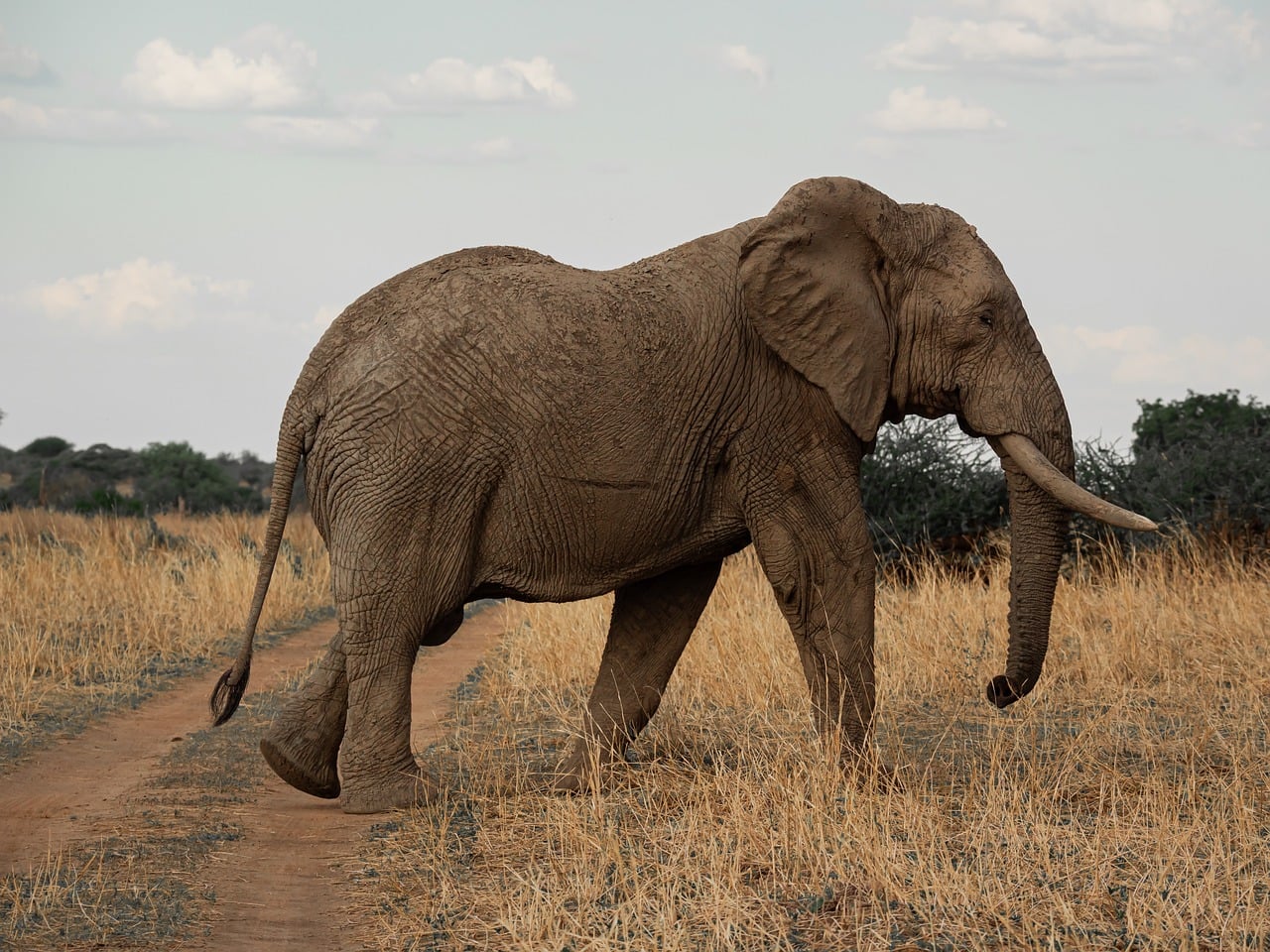
Elephant Rescue & Protection
Sumatran and Bornean elephants face habitat loss, conflict and poaching. Fund rapid veterinary response and humane coexistence work through partners in Indonesia and Malaysia.
Support this appeal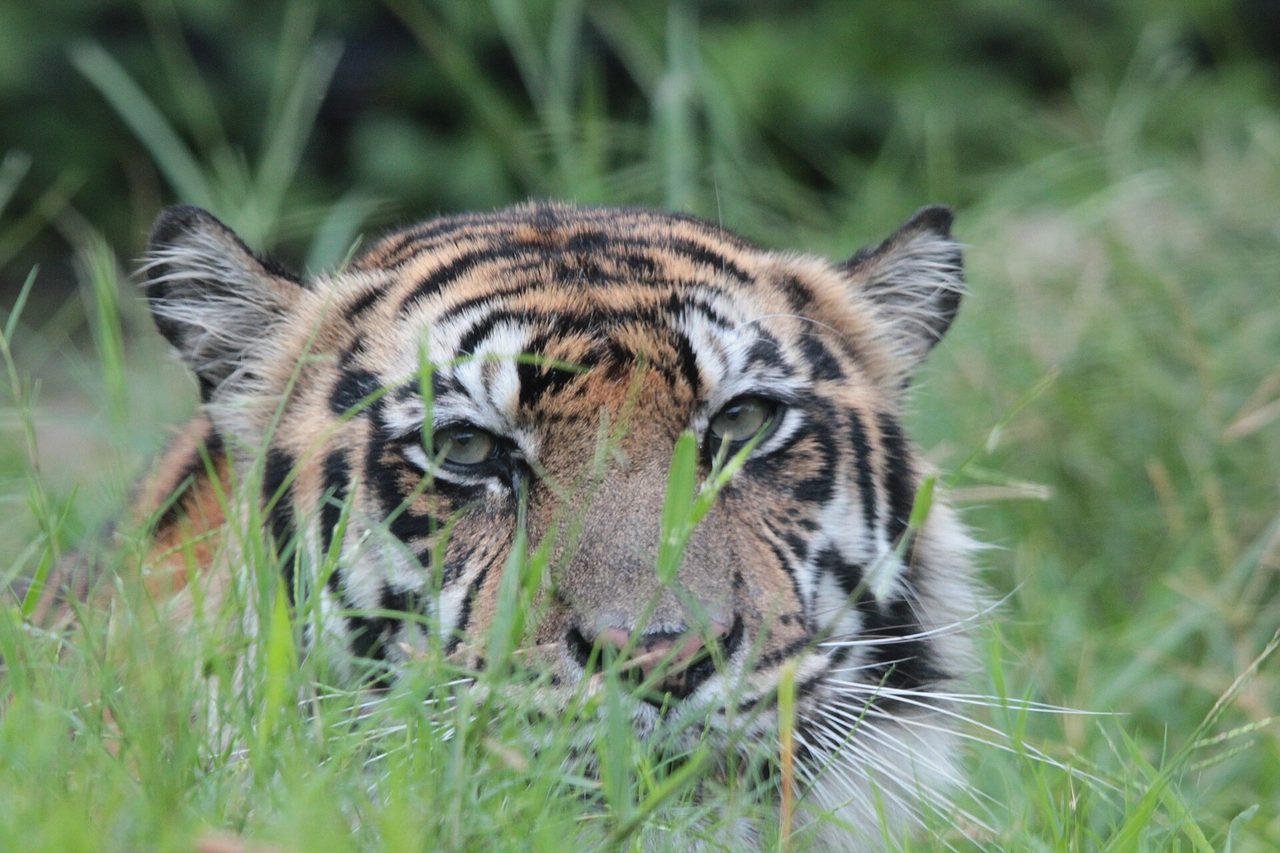
Indonesia · Malaysia
Save the Wild Tiger
Fewer than 5,000 tigers remain in the wild. Support anti-poaching, human-wildlife conflict response and rescue for tigers caught in captivity and the illegal trade, with Indonesia and Malaysia as the in-network focus.
Support this appeal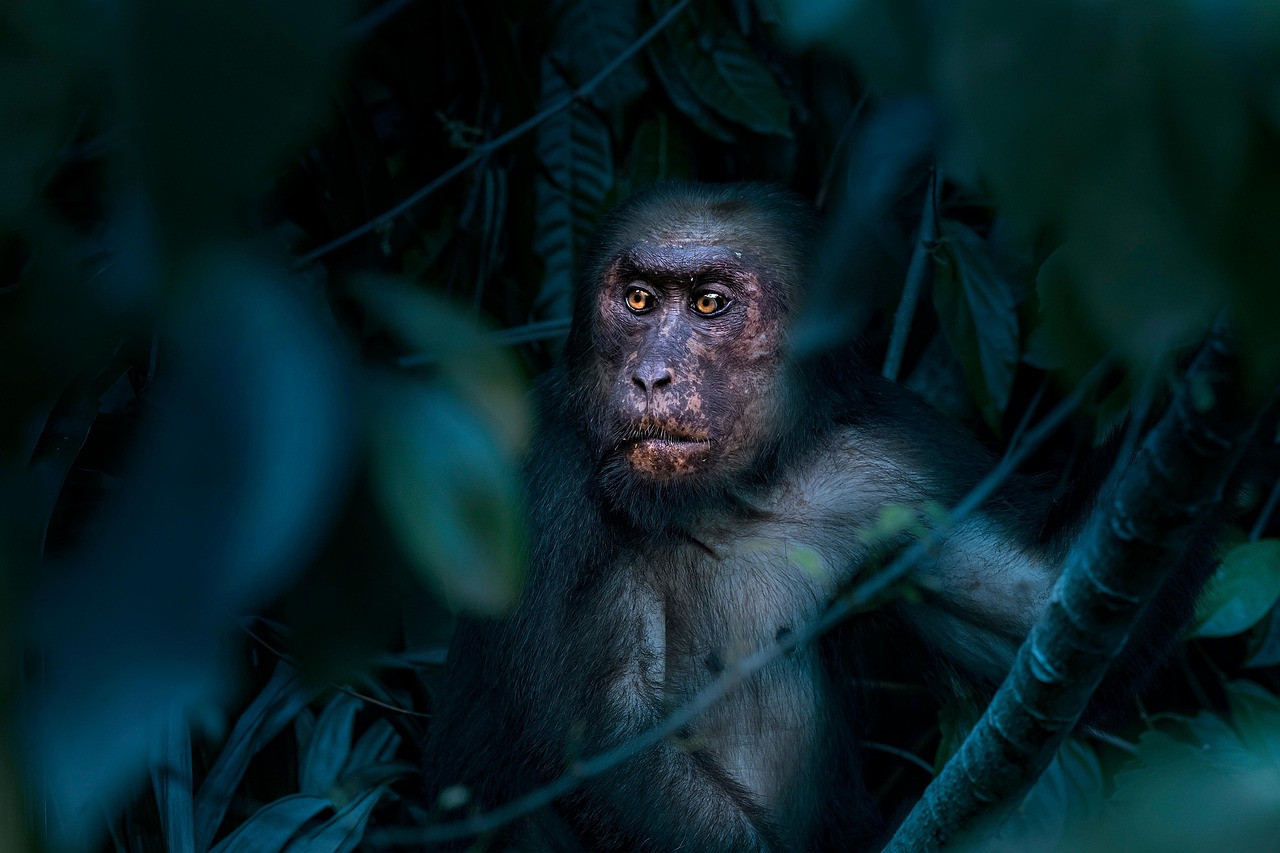
Indonesia · Malaysia
Save the Slow Loris
Torn from the forest and mutilated for the viral pet trade, the slow loris is vanishing. Fund rescue, specialist rehabilitation and release, with Indonesia and Malaysia as the in-network focus.
Support this appealHelp the Animals of Thailand
Your donation funds the rescue teams, sanctuaries, and programmes protecting wildlife and street animals across Thailand.
Donate Now