Guide 1
The Simple Rule
If a wildlife venue lets tourists touch, ride, bathe, feed, cuddle, pose with or perform alongside wild animals, it is usually not operating at sanctuary-level welfare. Ethical sanctuaries put animal choice, distance and natural behaviour ahead of visitor experience.
Guide 2
Common Red Flags in Thailand
Elephant riding, elephant bathing, tiger cub photos, monkey shows, slow loris selfies and bear or big-cat contact experiences all indicate welfare compromise. Many venues use the word sanctuary without meeting sanctuary standards.
Guide 3
What Good Facilities Look Like
Better facilities provide non-contact observation, large natural spaces, no breeding for tourism, transparent rescue histories, qualified veterinary care and clear lifetime care plans for animals who cannot return to the wild.
Guide 4
Non-Contact Sanctuary Standards
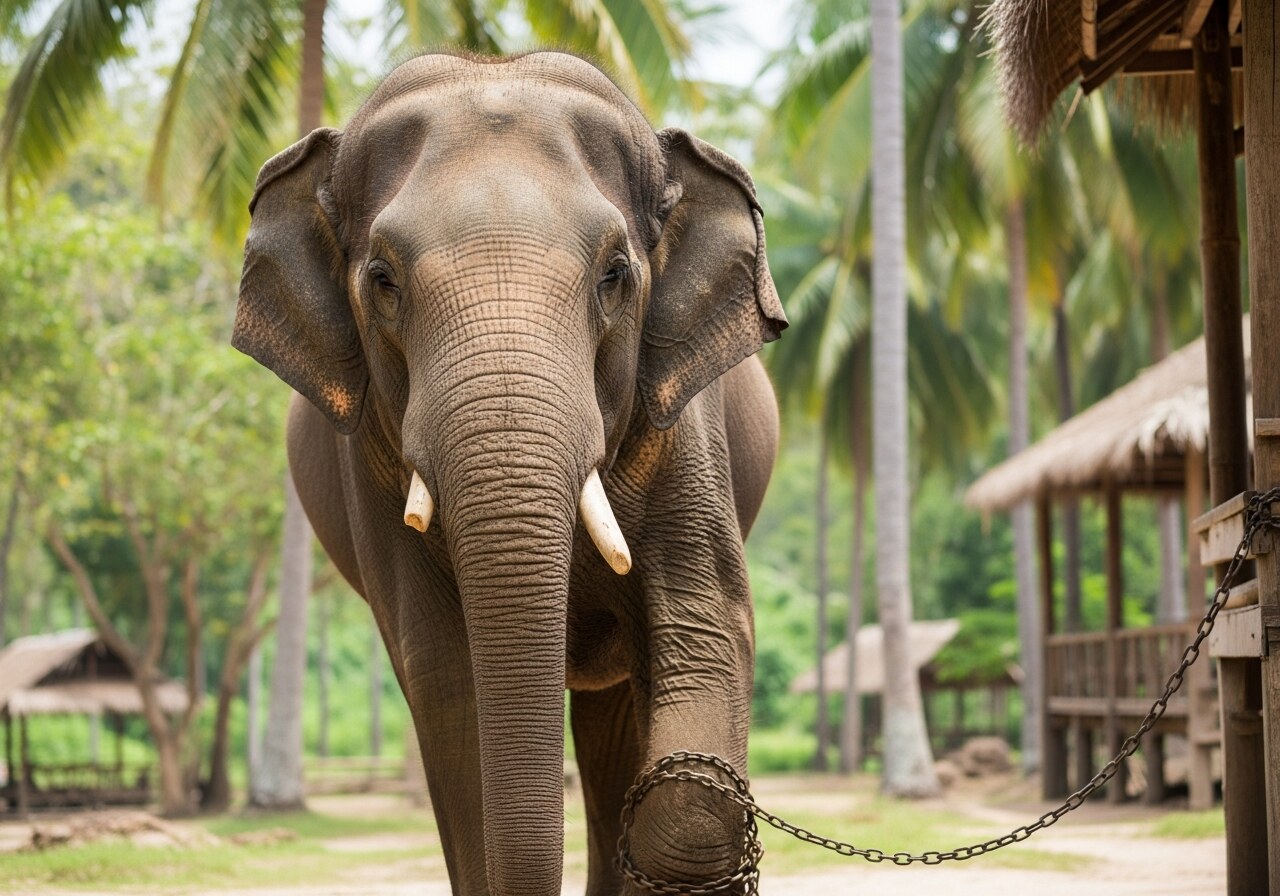
Ethical elephant and wildlife sanctuaries in Thailand do not offer riding, bathing performances or chained photo opportunities. True sanctuaries provide space, social groups, veterinary care and minimal tourist contact — red flags include bullhooks, chains and unnatural behaviours on cue.
Guide 5
How Donations Differ from Tourism
WARN does not operate tourism. UK donors fund partner grants for rescue, rehabilitation and anti-trafficking — not visitor experiences. See elephant appeal and donate elephant rescue abroad for the donor path.
Guide 6
What Your Gift Buys on the Ground
Roughly £15–25 funds one street dog through catch, neuter, rabies vaccination and return in network countries. £100 supports a small clinic day. £500 helps stock quarantine after a trafficking seizure. Monthly gifts let partners plan multi-year CNVR instead of crisis-only response.