South America
Peru
Peru's Madre de Dios region faces aggressive deforestation from illegal gold mining. Mercury contamination poisons the rivers, and clear-cuts displace primates and macaws into…
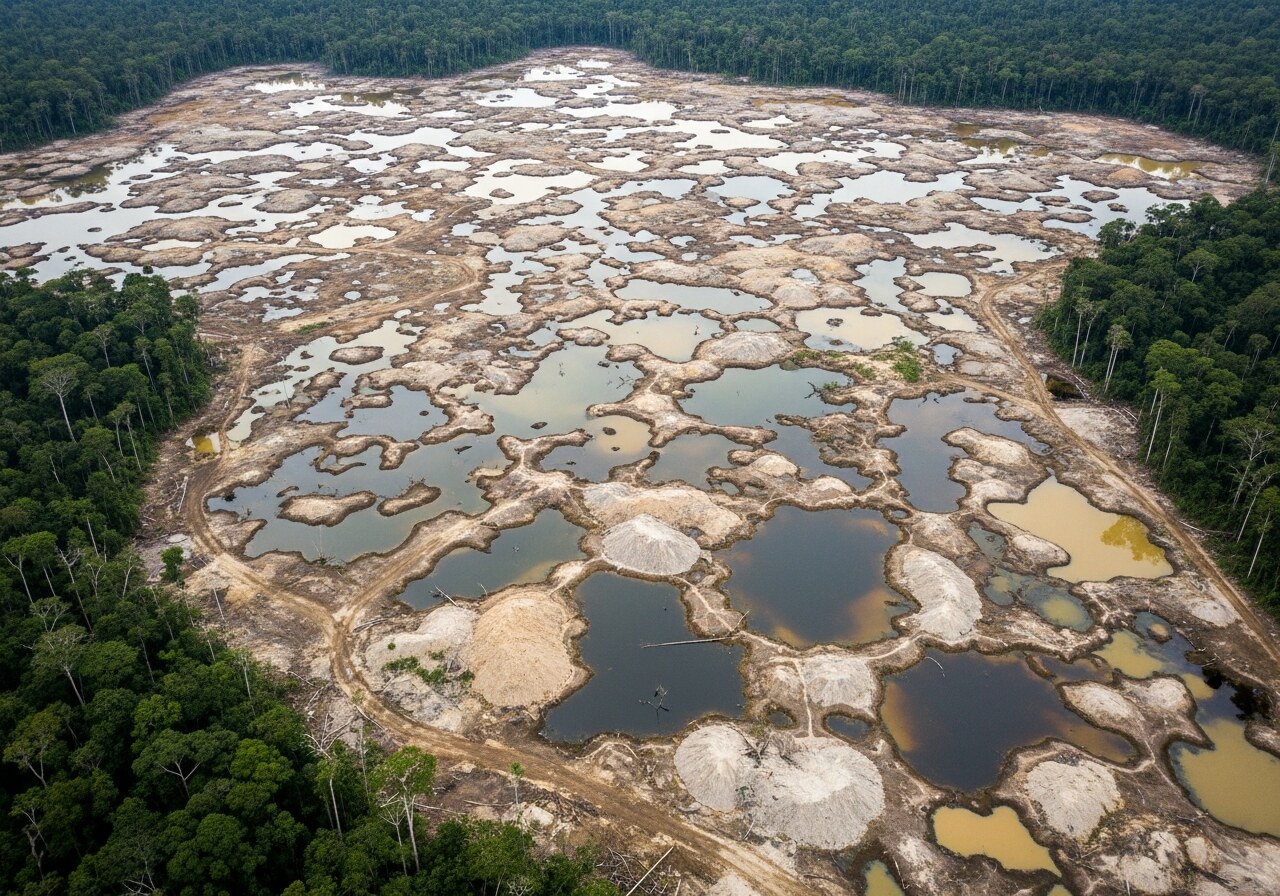
Peru is a South American Amazon basin country where WARN's planned work centres on primate and macaw rescue from the illegal pet trade, sanctuary support in Madre de Dios, and education around mercury contamination from illegal gold mining.
Key Facts About Peru
- Peru holds part of the Amazon basin alongside Brazil, Colombia and other countries.
- Madre de Dios deforestation driven by illegal alluvial gold mining is among the most rapid in the Amazon basin.
- Mercury contamination from gold processing has been documented in primates and river fish.
- Major species: scarlet macaw, spectacled bear, capuchin monkey, jaguar, river otters.
- Our planned Peru work funds a forest sanctuary for primates and macaws confiscated from the pet trade.
- Madre de Dios deforestation from illegal gold mining is among the fastest in the Amazon.
- Mercury contamination affects primates, fish and riverside communities.
What is the wildlife situation in Peru?
Peruvian Amazonia is one of the richest biodiversity zones on earth, with the Tambopata, Manu and Bahuaja-Sonene protected areas. Outside protected areas, illegal mining and the pet trade drive forest loss and species decline. The Andean spectacled bear range stretches across both Peru and Colombia.
What is WARN preparing to do in Peru?
Funding a forest sanctuary for primates and macaws confiscated from the pet trade, training officers on field-confiscation triage, and supporting mercury-awareness work with riverside communities. The Andean bears appeal centres on Colombia, with the highland Peruvian end of the bear's range as wider range and search context.
Why Peru and Colombia together
Many trafficking routes, many species and many forest ecosystems cross the Peru-Colombia border. Our planned operations are designed to share intelligence, sanctuary capacity and training.
Pet-trade confiscation triage
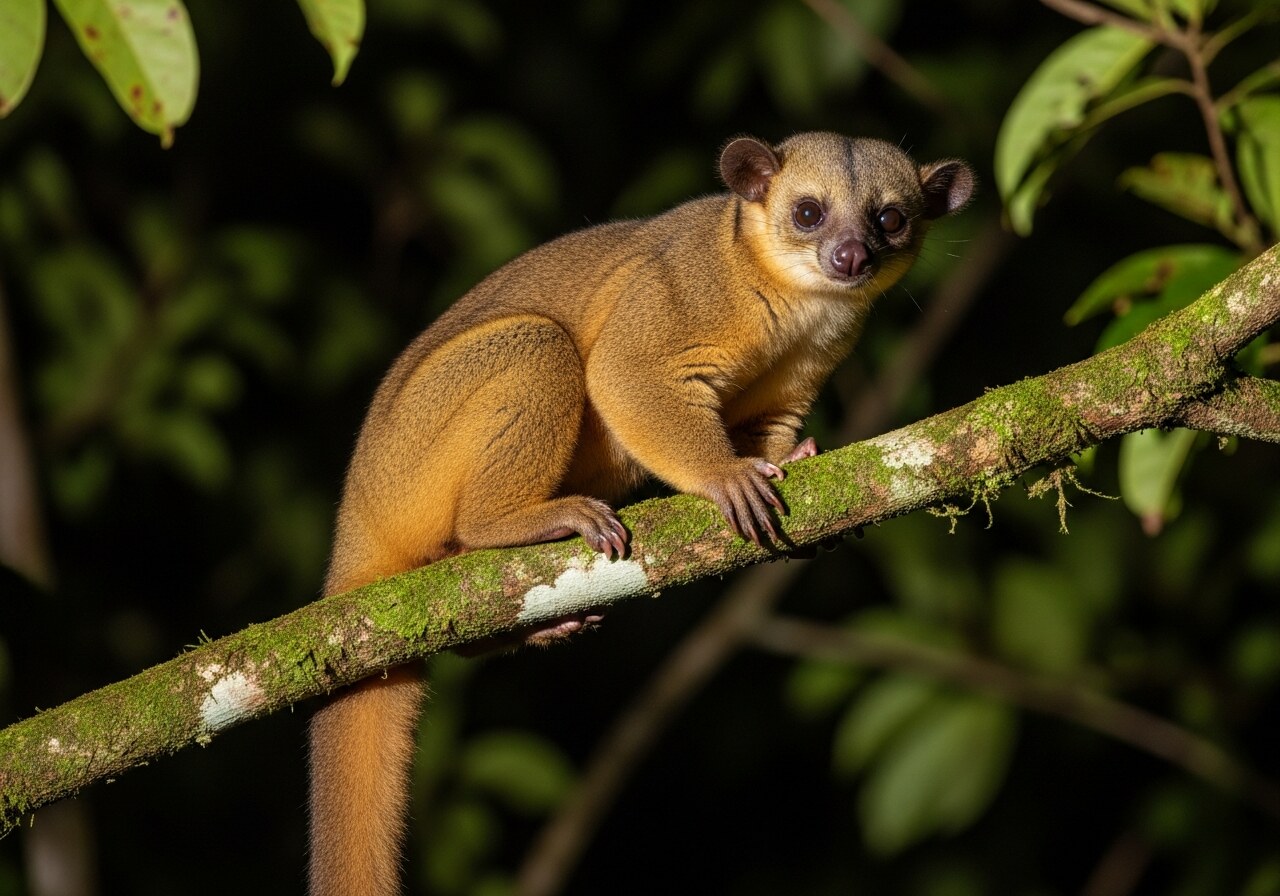
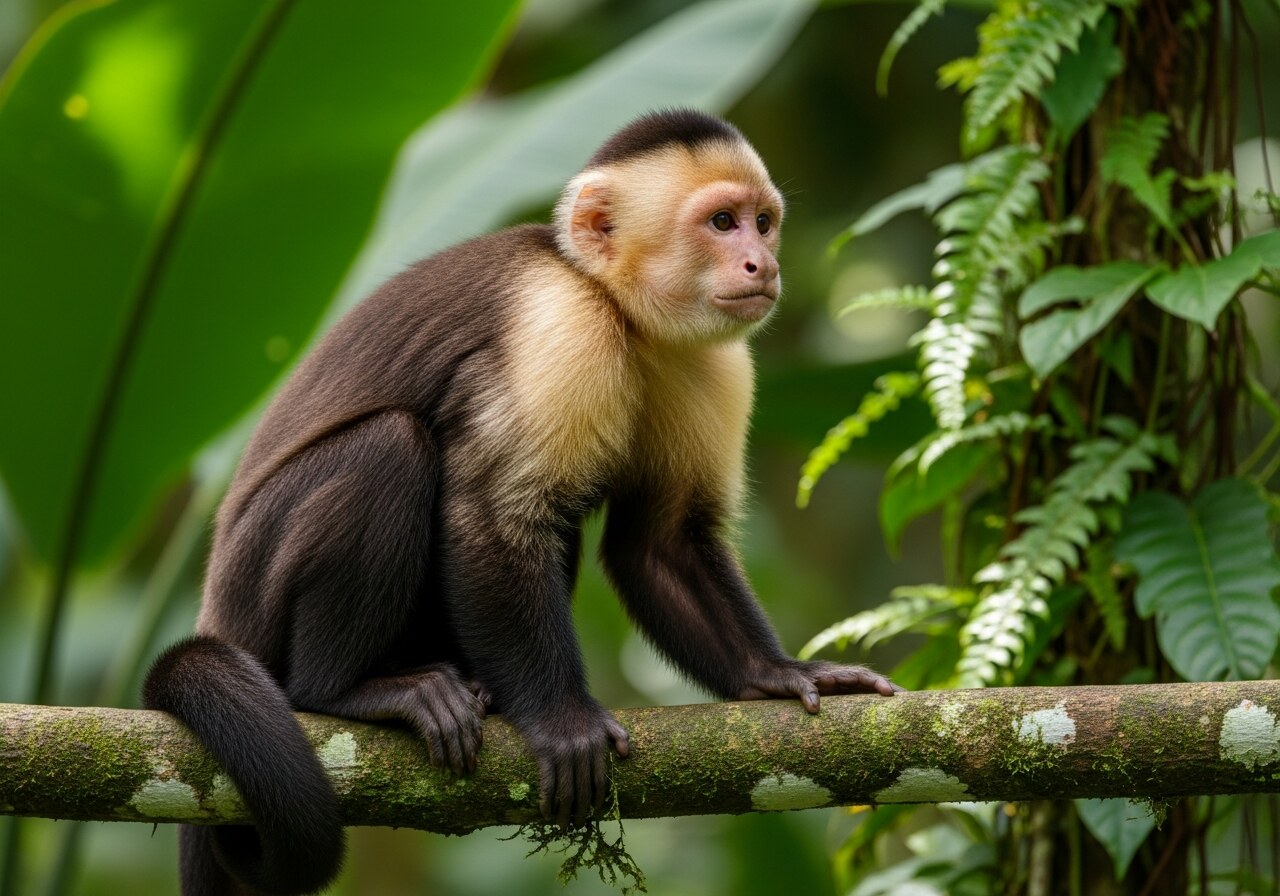
Capuchin monkeys, macaws and kinkajous confiscated from the pet trade need immediate veterinary assessment and forest sanctuary placement — work WARN's Peru partners are preparing to scale.
Mercury awareness with riverside communities
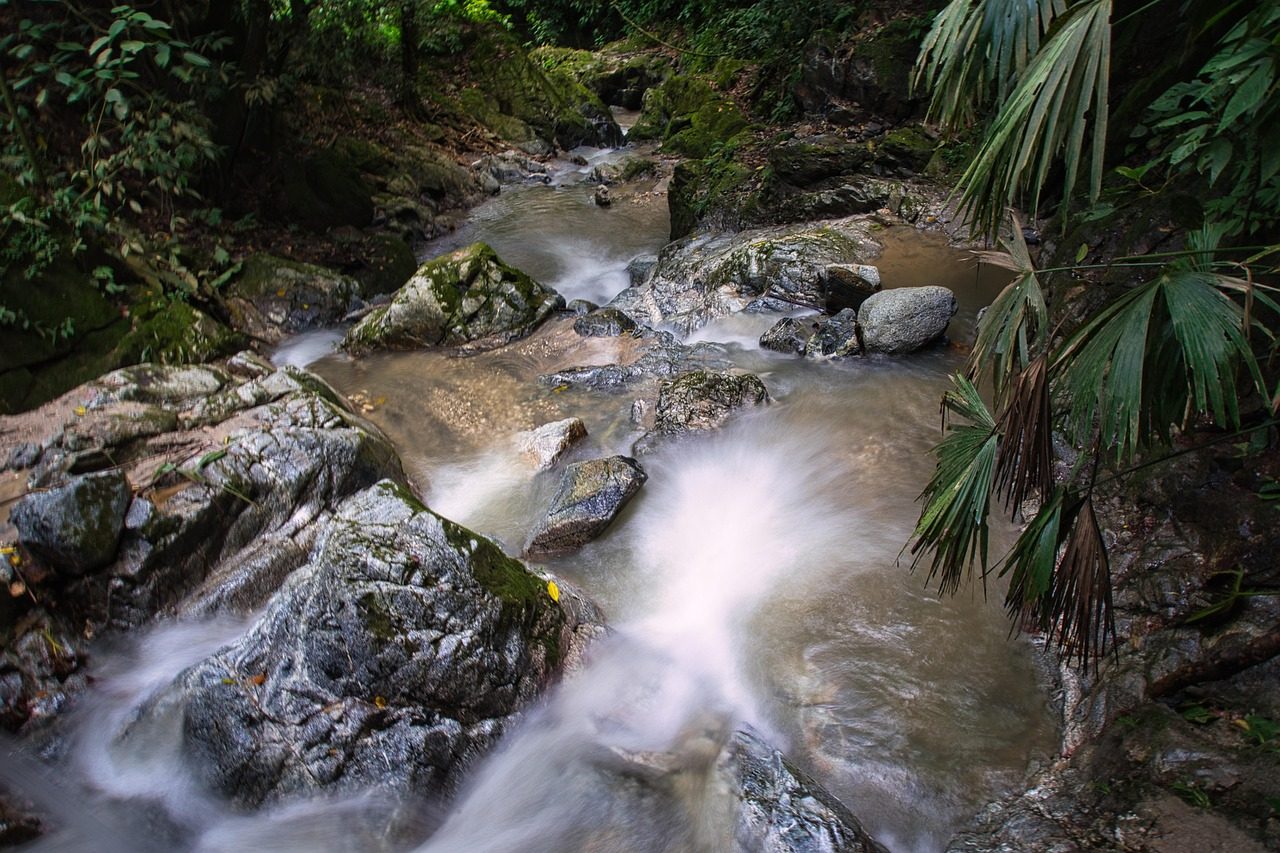
Gold processing releases mercury into tributaries. Community education and partner veterinary monitoring reduce harm to primates and people alike.
Threats to Wildlife in Peru
Illegal alluvial gold mining
Mercury contamination
Exotic pet trade
Bushmeat hunting
Habitat loss
What WARN Funds in Peru
Our Peru programme will fund a forest sanctuary for primates and macaws confiscated from the pet trade, training for officers on field-confiscation triage, and mercury-awareness work with riverside communities.
Key Species in Peru
Peru FAQ
How bad is the Madre de Dios mercury problem?
What is the most-trafficked Peruvian species?
How bad is Madre de Dios mercury pollution?
Does WARN run a Peruvian sanctuary?
What is the most-trafficked Peruvian species?
How does Peru connect to Colombia?
Does the jaguar appeal cover Peru?
Can I support Peru through the parrot appeal?
Rescue Guides for Peru
Focused pages for the specific animal rescue searches connected to Peru, from trafficking response to sanctuary and veterinary care.
Colombia · Illegal bird trade
Parrot Trafficking in Colombia
Parrot trafficking in Colombia targets chicks and adult birds for the illegal pet trade; rescue depends on fast triage, quarantine, flight rehabilitation and carefully managed soft release.
Wildlife trafficking · Release method
Parrot Soft Release
Parrot soft release is a gradual return to the wild where rescued birds rebuild flight, social and foraging skills before release with monitoring and temporary support.
Latest from Peru
Appeals You Can Support in Peru
Back a specific cause for the animals of Peru. Every gift funds frontline rescue, veterinary care and humane coexistence work through our local partners.
Colombia
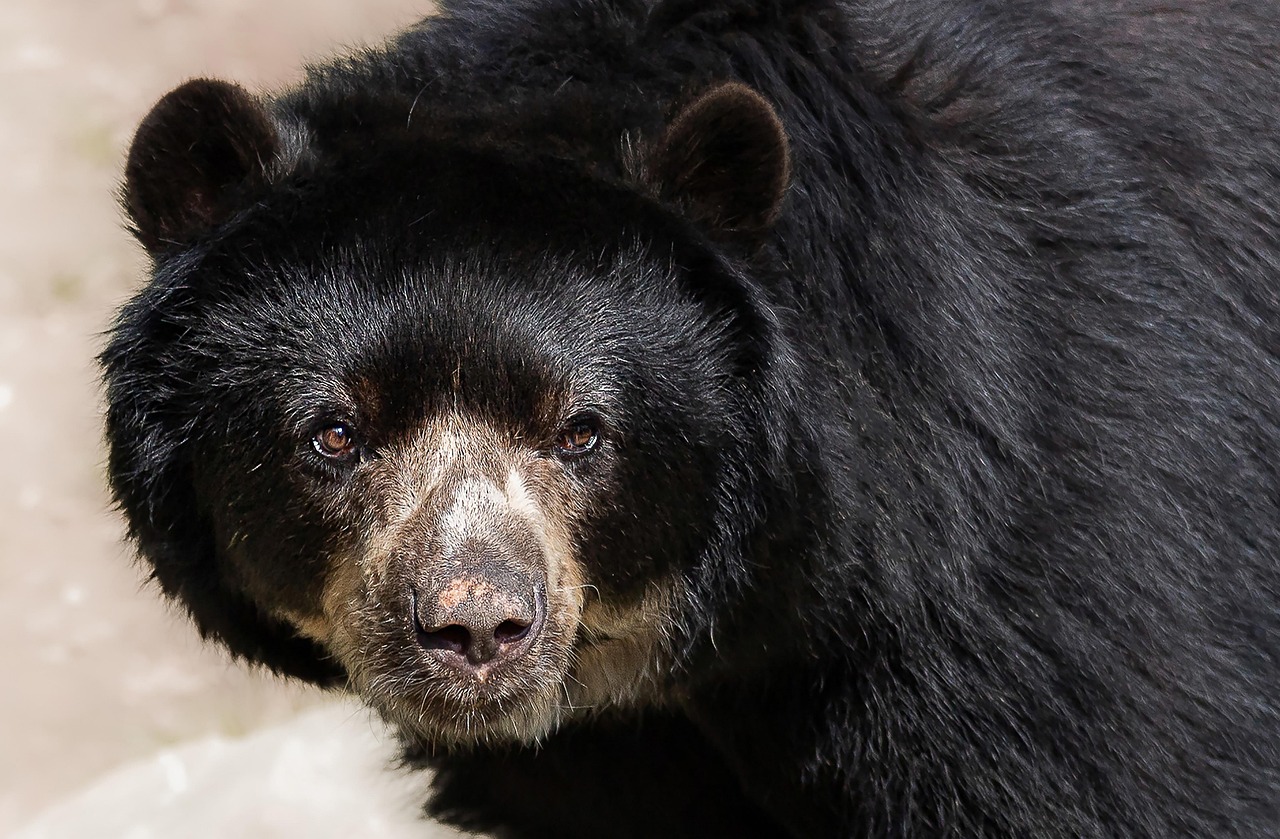
Save the Andean Bear
South America's only bear is losing its cloud-forest home. Support rescue, rehabilitation and human-wildlife coexistence work across the Andes.
Support this appeal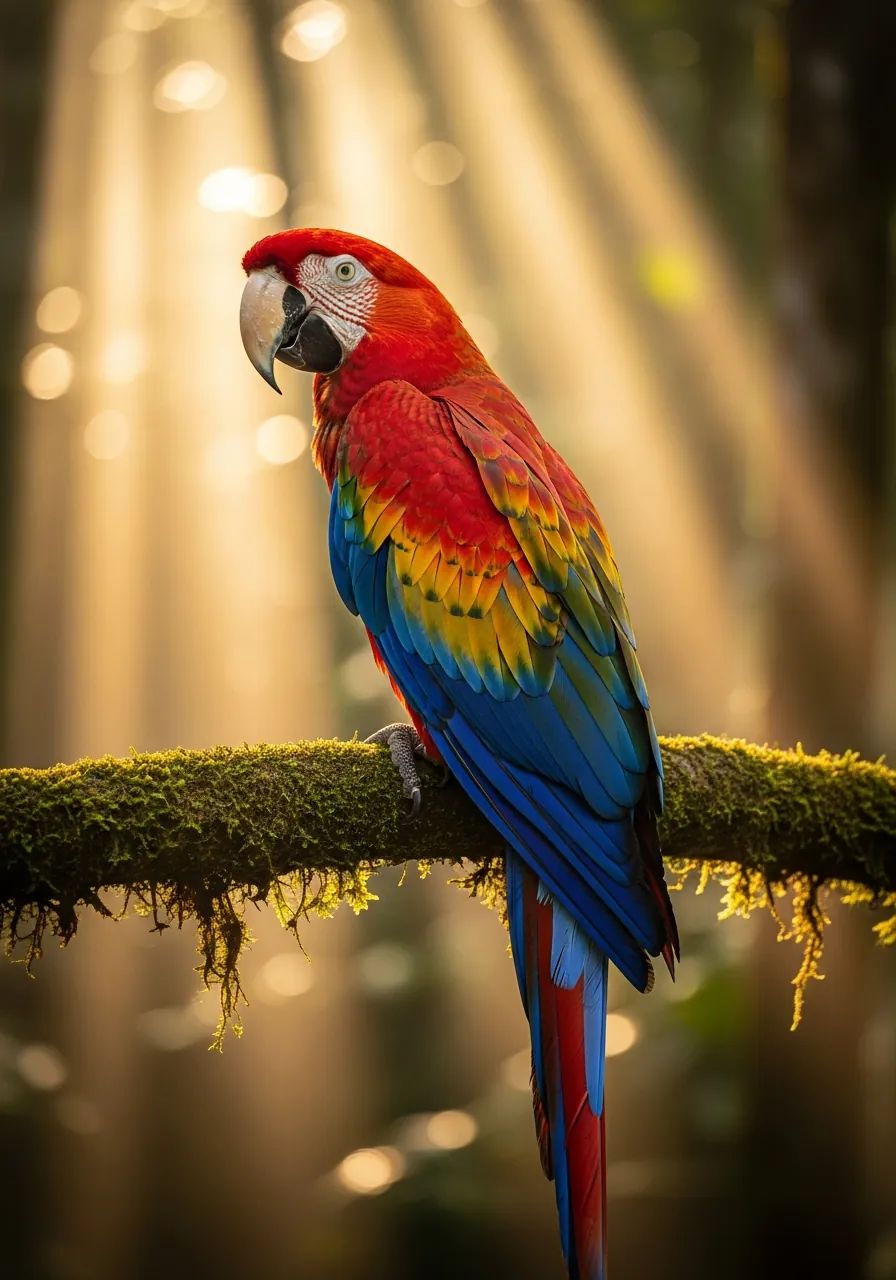
Colombia · Indonesia · Brazil
Save the World's Most Trafficked Birds
Tens of thousands of macaws, parakeets and Amazon parrots enter the illegal pet trade every year. Help fund triage, rehabilitation and soft-release.
Support this appeal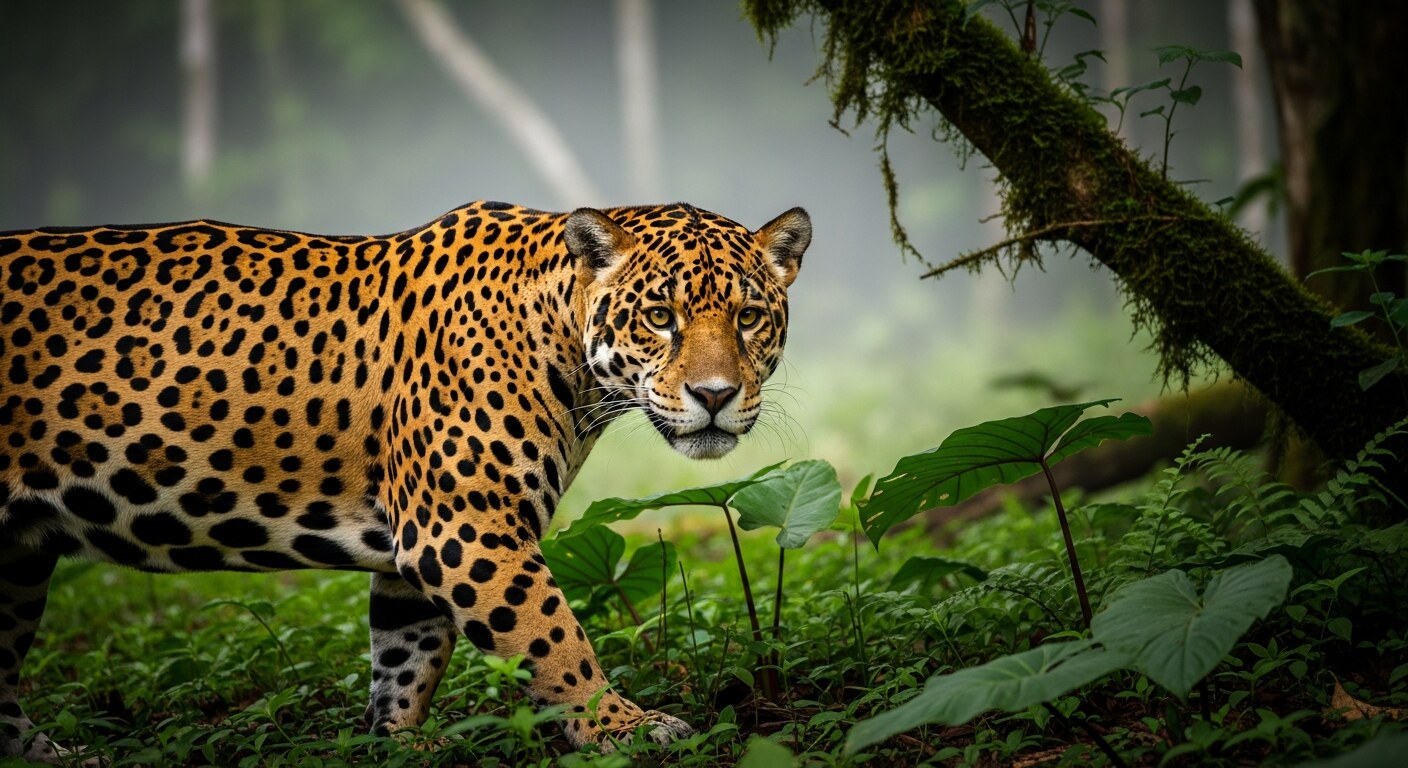
Brazil · Colombia
Save the Jaguar
The apex predator of the Americas is losing its forest to deforestation, killed in conflict with ranchers and hunted for its teeth. Fund forest corridors, coexistence and rescue across the Amazon.
Support this appealHelp the Animals of Peru
Your donation funds the rescue teams, sanctuaries, and programmes protecting wildlife and street animals across Peru.
Donate Now